

Pickup-to-delivery support with fewer disconnected handovers
Door-to-Door Shipping to Ghana
Describe the actual collection and delivery addresses when requesting door-to-door shipping. The proposal should identify the freight, customs and local handling included, together with unloading responsibilities and any work requiring a separate instruction.
A named delivery address does not by itself define every task included in a quotation. The guide to door-to-door shipping and transport in Ghana examines collection readiness, customs records and consignee access so you can clarify the service boundary before comparing offers.
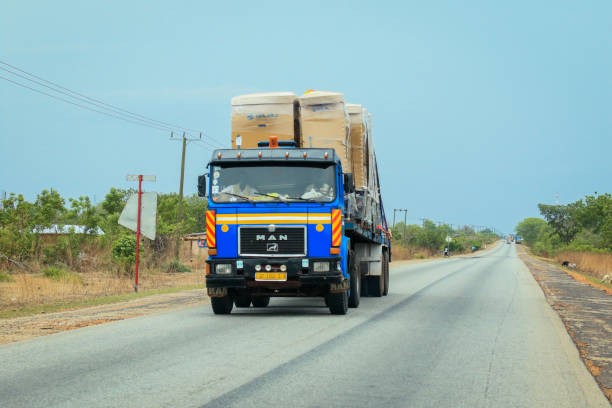
Commercial context
Defining the collection and delivery scope for Ghana shipping
Door delivery is appealing because it reduces fragmentation, but it only works well when origin pickup, freight, customs and final-mile planning are treated as one chain.
Door-to-door shipping brings collection, freight and consignee delivery into one defined movement. The origin and destination details, cargo profile and included handling tasks should be clear before booking so that the service proposal covers the intended handovers.
Who this is usually for
Buyers wanting one instruction across pickup and delivery
Importers that want one coordinated movement
Helpful when clients prefer fewer separate handlers and less internal chasing.
Businesses moving regular commercial cargo
A good fit for repeat shipments with known origin, destination and timelines.
Clients that value convenience and predictability
Useful when practical execution matters more than managing multiple vendors.
What is included
Origin freight customs and final receiving arrangements
Origin pickup and booking support
The first leg is linked to the broader freight and customs plan.
Documentation and clearance alignment
Door delivery includes making sure documents support clean release and onward movement.
In-transit coordination across the chain
The service connects freight, storage, release and delivery checkpoints.
Final delivery planning and handover
The last mile is scheduled around access, timing and consignee readiness.
How it works
Preparing door to door handovers from supplier to consignee
Door-to-door execution should follow the service boundary agreed for the supplier and consignee. Keep collection and destination responsibilities explicit throughout the movement, including tasks or charges that require a separate instruction.
Confirm origin, destination, cargo profile and target timing
Confirm the full collection and delivery locations, packed cargo details and the date the consignee needs the goods.
Plan pickup, freight leg and document workflow
Align supplier readiness, pickup arrangements and the freight booking, and prepare the records that accompany the shipment.
Coordinate customs, release and any interim storage
Prepare the destination file and receiving contacts, including any storage arrangement needed while the next transport stage is organised.
Deliver to the consignee and complete handover
Check delivery access and consignee availability, then confirm the handover record when the goods are received.
Benefits and outcomes
How connected delivery responsibilities reduce missed actions
Less vendor fragmentation across the shipment
An agreed service scope makes it easier to identify who handles each stage and which responsibilities remain with the sender or consignee.
A more convenient model for importers and buyers
Collection and destination details provided at the outset give buyers a practical way to discuss the whole movement in one shipment brief.
Fewer missed handovers between transport stages
A named contact and readiness check at each transfer help connect successive handlers without leaving the next stage unprepared.
A clearer path from origin pickup to final delivery
Linking pickup, freight and final delivery milestones gives the cargo owner a clearer view of the journey to the consignee.
Related resources
Related Guides and Services
The door-to-door guides and related freight services help you clarify collection, customs and delivery responsibilities before requesting a shipment proposal.
Questions businesses often ask
Frequently asked questions
What does door-to-door shipping actually include?
It usually includes pickup, the main freight leg, customs alignment and final delivery planning, although the exact scope depends on the route and service model.
Is door-to-door always the cheapest option?
Not always, but it can be the most convenient and commercially efficient option when fewer separate handlers create a better overall result.
Can door-to-door work for both sea and air freight?
Yes. The main freight leg can be built around sea or air depending on urgency, cost and cargo profile.
What makes a door-to-door movement go wrong?
Most problems start when pickup, customs, release and final delivery are treated as separate tasks instead of one connected chain.
Next step
Get practical guidance on the next move
A short discussion with BJH usually makes the next decision easier, whether the need is freight, customs, warehousing, delivery, container supply or a more specialised project requirement.
Share cargo type, origin, destination, dimensions, timing and any customs, storage or delivery requirements. Better first details usually lead to a faster and more useful response.