

Container buying support matched to use, size and site needs
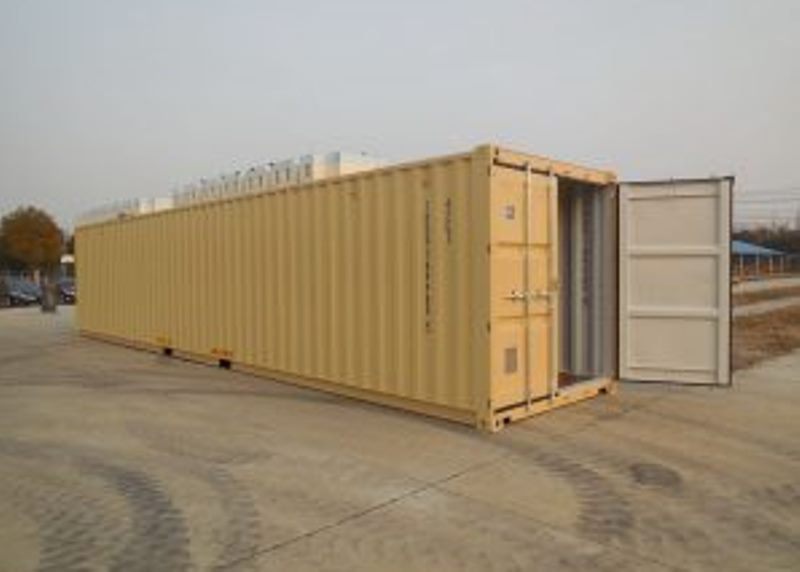
40 ft Storage Container for Sale
A 40 ft storage container suits businesses and project sites that need meaningful extra space, practical durability and a delivery plan that fits the actual location.
Commercial context
Assessing a 40 ft container purchase against its use
A container purchase looks straightforward until questions of size, condition, access, intended use and delivery placement start affecting the real value of the deal.
A 40 ft storage container should be selected for the volume to be stored and the site where it will stand. Compare the available unit’s condition with the intended use, and check delivery access and placement before treating the purchase price as the complete arrangement.
Who this is usually for
Buyers who need larger storage and project site capacity
Businesses needing on-site storage
Ideal for buyers who need secure, practical extra space at an operating site.
Projects requiring temporary or semi-permanent container use
Useful where containers support staging, storage or site mobilisation.
Buyers comparing options before committing budget
Helpful when size, condition and transport setup influence the real value.
What is included
Unit size condition and placement in a 40 ft sale
40 ft capacity planning
The buyer gets clearer guidance on when a 40 ft container makes sense for storage, operations or site use.
Condition and inspection discussion
The decision is improved by reviewing condition and suitability before purchase.
Delivery and placement planning
Transport access, offloading and final site position matter as part of the sale.
Practical guidance for commercial use
The container is matched to real storage or project needs rather than generic assumptions.
How it works
Preparing the purchase and delivery of a 40 ft container
A 40 ft container purchase needs a unit that suits the storage requirement and a site prepared for its delivery. The process links the buyer’s space requirement with an inspected or documented unit and an agreed placement arrangement.
Define the storage volume and site need
List the items to be stored and how they will be accessed, then check that the proposed site can accommodate the container and delivery operation.
Compare available 40 ft options and condition
Review the specific available units, including their structure, doors and visible condition, against the storage use before selecting a 40 ft container.
Plan transport access, placement and handover
Confirm the delivery vehicle approach, placement area and receiving contact so that unloading can be arranged for the actual site.
Complete delivery and put the unit to work
Inspect the delivered unit against the agreed purchase details and complete the handover before beginning storage use.
Benefits and outcomes
How a suitable 40 ft unit supports storage and operations
Better container-fit decisions before money is committed
Assessing the required storage volume and available placement space together helps avoid committing to a 40 ft unit that does not suit the site.
Less risk of buying the wrong size or condition
Checking the chosen unit’s condition against the goods to be stored gives the buyer a practical basis for accepting or rejecting it.
A smoother path from purchase to site delivery
An agreed unloading location and receiving arrangement connect the container purchase to a feasible site delivery.
More value from the container over its working life
A unit chosen for the actual storage task is easier to incorporate into day-to-day use, with condition and access considered from the start.
Related resources
Related Guides and Services
The container buying guides and delivery services below help you compare unit suitability and plan how a larger storage container will reach your site.
Questions businesses often ask
Frequently asked questions
How do I choose between a 20 ft and 40 ft container?
The answer depends on storage volume, access conditions, site space, budget and how the container will actually be used after delivery.
Should I focus only on price when buying a container?
No. Condition, suitability, delivery access and the intended working life of the unit matter just as much as headline price.
Can BJH help with delivery after purchase?
Yes. Container sales become more useful when transport, placement and site access are considered as part of the transaction.
Are these containers only for shipping use?
Not necessarily. Many buyers want them for storage, projects, operational space or site-based commercial use.
Next step
Get practical guidance on the next move
A short discussion with BJH usually makes the next decision easier, whether the need is freight, customs, warehousing, delivery, container supply or a more specialised project requirement.
Share cargo type, origin, destination, dimensions, timing and any customs, storage or delivery requirements. Better first details usually lead to a faster and more useful response.