

Equipment delivery planning for mining operations
Mining Logistics Projects Ghana
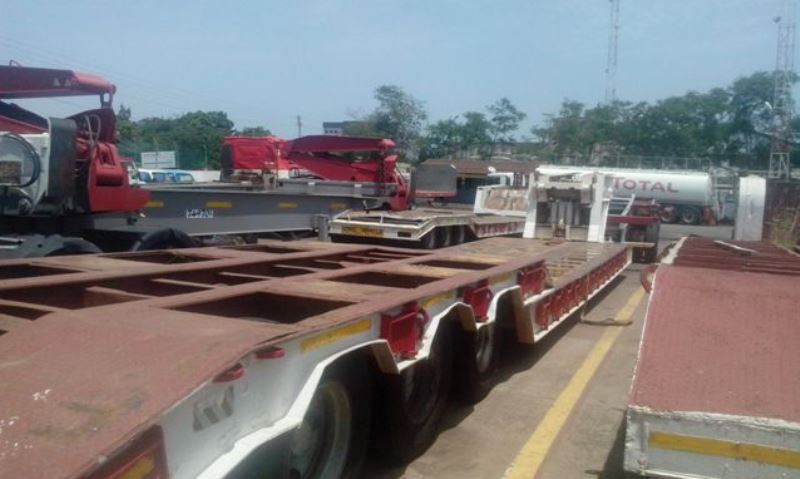
Project and sector logistics for a mine should connect the equipment list with installation priorities and site readiness. Unit measurements, lifting information and access conditions help determine how the cargo can reach the receiving team.
Commercial context
Why sector-specific planning changes the outcome
Mining equipment may be needed in a specific installation sequence. Review supplier readiness against those milestones and confirm handling resources at the mine before choosing movements that could deliver units ahead of their receiving arrangements.
Mining logistics should reflect the equipment, site access and operating milestone the cargo supports. Freight and handling arrangements need to connect with the mine’s receiving capabilities, particularly for large units or deliveries that must follow an installation sequence.
Who this is usually for
Mine teams planning equipment receipt and installation
Project teams
Mine project teams need visibility of the units that control the next installation activity, including equipment packages that must be received together.
Industrial operators
Operating teams should share the receiving area, unloading resources and required equipment date so transport planning reflects the conditions at the mine.
Buyers with specialist requirements
Oversized or heavy machinery needs verified load data and a handling assessment before lifting equipment or an inland vehicle arrangement is committed.
What is included
Equipment freight handling and mine site coordination
Sector-aware logistics planning
Use the mine programme and equipment register to define delivery priorities. Keep supplier readiness and unresolved receiving constraints visible against the required operating milestone.
Freight and handling coordination
Pass measured dimensions, weight and lifting information between origin handlers, port teams and inland transport contacts so each transfer can be assessed for the actual unit.
Compliance and customs alignment
Match machine references and quantities across packing and transaction records. Refer unresolved product or clearance questions to the responsible contact before dispatch depends on an assumed answer.
Delivery thinking tied to final use
Confirm the mine entrance, receiving area and unloading contact. Delivery preparation should establish how the equipment will be accepted, rather than ending with an address.
How it works
Preparing mining cargo around the required operating milestone
A mining logistics process should follow the equipment sequence the site is ready to receive. Carry unit-level information across freight and handling decisions, with the mine’s acceptance conditions informing when each package can proceed.
Understand the sector context, cargo type and timing window
Identify the mining equipment, dimensions and required site date, together with the operational activity that depends on delivery.
Build the right handling, freight and compliance path
Review freight, lifting and inland access needs and resolve handling or documentation questions using the actual equipment details.
Coordinate the critical handovers across the movement
Share the cargo sequence and readiness information across port, transport and mine-site contacts before each transfer.
Support the final delivery or operational close-out
Confirm the mine receiving team and unloading arrangements and record the equipment handover against the delivery plan.
Benefits and outcomes
What unit specific mine delivery planning helps resolve
Better fit between logistics execution and project reality
A delivery plan tied to the mine’s access and receiving equipment is better positioned to support the intended operating milestone.
Lower risk of disruption caused by weak coordination
Clear transfer responsibilities help the project team identify a missing handling arrangement before the equipment reaches that stage.
More confidence for sector operators with specialised cargo
Unit-specific dimensions and lifting details give mining operators a more concrete basis for assessing the proposed cargo movement.
A clearer path from planning into on-ground action
Confirmed site instructions allow the freight plan to progress into a defined equipment delivery rather than ending at port arrival.
Related resources
Related Guides and Services
The mining and project-cargo resources help you review equipment handling, heavy-load access and the transport stages leading to the mine site.
Questions businesses often ask
Frequently asked questions
What equipment information is needed for a mining delivery plan?
Provide a unit list with measured dimensions, weight, packing and available lifting information. Link each unit to its required mine receiving date and flag any access or unloading condition the transport and handling teams must assess.
How should a mine project sequence deliveries from several suppliers?
Identify the packages that support each installation milestone and confirm supplier readiness separately. Schedule against the mine’s receiving and handling capacity, keeping a delayed critical unit visible rather than assuming every package can arrive together.
What should be checked before a heavy unit leaves for the mine?
Confirm assessed vehicle and lifting arrangements, the site approach, unloading area and responsible receiving team. Pass any unresolved equipment or access question to the handling specialists before inland dispatch is committed.
Which records help reconcile equipment at mine receipt?
Use consistent unit identifiers across the equipment register, packing records and handover instructions. Agree how the receiving team will record quantities and condition, with an identified contact for differences or missing delivery information.
Next step
Get practical guidance on the next move
A short discussion with BJH usually makes the next decision easier, whether the need is freight, customs, warehousing, delivery, container supply or a more specialised project requirement.
Share cargo type, origin, destination, dimensions, timing and any customs, storage or delivery requirements. Better first details usually lead to a faster and more useful response.