

Vehicle and wheeled-cargo shipping with practical port execution
Roll-on Roll-off (RoRo) Shipping
RoRo shipping is often the cleanest fit for vehicles and rolling equipment when the cargo profile suits the service and the import process is planned properly.
The receiving arrangements deserve attention before an automobile is presented for shipment. Read about RoRo automobile shipping to Ghana to prepare the unit identification, condition records and collection instructions that connect the seller’s release with the buyer’s Ghana handover.
Commercial context
Planning RoRo shipping around a suitable rolling unit
RoRo shipping works best when the cargo genuinely suits the service and the port, release and delivery stages are already tied into the same execution plan.
RoRo shipping should be planned around the vehicle or rolling equipment and the vessel service available for it. Confirm the unit details, handling suitability and destination arrangements so that port release leads into a prepared collection or delivery.
Who this is usually for
Vehicle buyers and equipment owners considering RoRo
Dealers or fleets moving vehicles to Ghana
Helpful where volume, timing and delivery planning all matter.
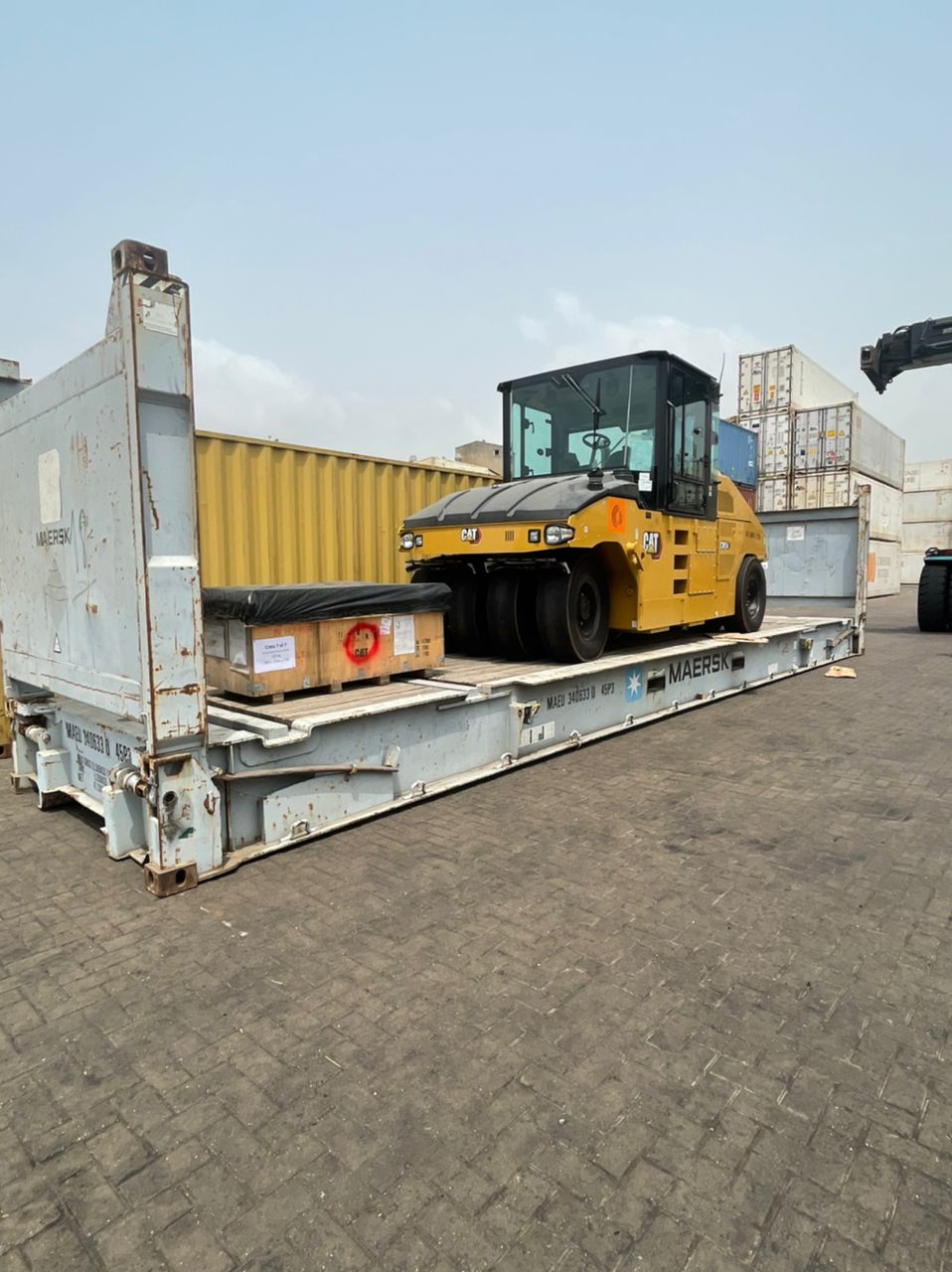
Projects shipping rolling equipment
A strong fit for machinery that suits RoRo handling rather than containerisation.
Importers choosing the best mode for wheeled cargo
Useful when comparing cost, handling risk and timing.
What is included
Sailing acceptance release and onward movement for RoRo
RoRo booking and vessel coordination
The move is planned around the right sailing and cargo acceptance conditions.
Port handling and release support
Arrival steps are aligned with customs and onward movement.
Inspection, documentation and compliance help
The cargo is prepared with the practical import process in mind.
Onward transport or delivery planning
RoRo execution can continue beyond the port gate.
How it works
Preparing a rolling unit from booking to Ghana handover
A RoRo movement connects carrier acceptance with the receiving arrangement for the actual vehicle or rolling machine. Keep the unit’s identity and condition consistent from the booking instruction through arrival collection or onward transport.
Confirm vehicle or equipment profile and sailing preference
Provide the unit identifiers, dimensions and operating condition with the preferred departure timing so that suitability can be discussed before booking.
Book the right RoRo service and document path
Confirm the proposed vessel service and prepare the cargo records that must accompany the unit through the origin and arrival handovers.
Coordinate port release and arrival handling
Keep the receiving contact informed of the arrival plan and prepare the release and collection work before the unit is available at the port.
Move the cargo into delivery, site transfer or collection
Agree whether the unit will be collected, delivered or transferred to a site, including the receiving location and handling responsibilities.
Benefits and outcomes
How confirmed RoRo handling helps the vehicle movement
A mode well suited to rolling cargo profiles
Assessing rolling capability and vessel suitability helps identify when RoRo is a practical option for the particular vehicle or equipment.
Less complexity than unsuitable container handling for certain units
For suitable units, a RoRo plan avoids forcing the movement into a container arrangement that may require additional handling assessment.
Better alignment between vessel handling and final delivery
Linking the port handover with the receiving transport plan helps the vehicle continue toward its intended destination after release.
A clearer shipping path for vehicles and equipment
A shipment file and collection plan tied to the individual unit give owners a clearer view of what remains after the sailing is booked.
Related resources
Related Guides and Services
The vehicle shipping guides explain booking and document preparation, while related handling services help plan the movement after port arrival.
Questions businesses often ask
Frequently asked questions
What types of cargo are well suited to RoRo shipping?
Vehicles, wheeled equipment and certain rolling units are typical RoRo candidates when the cargo profile matches the service.
Does RoRo remove the need for customs and document planning?
No. The cargo still needs a clean import or export process, including document and release coordination.
Is RoRo only for cars?
No. It can also be relevant for other wheeled machinery and project-related equipment when the vessel and handling path fit.
Can BJH help after the cargo arrives?
Yes. RoRo planning is more complete when arrival handling is tied to onward transport, delivery or collection.
Next step
Get practical guidance on the next move
A short discussion with BJH usually makes the next decision easier, whether the need is freight, customs, warehousing, delivery, container supply or a more specialised project requirement.
Share cargo type, origin, destination, dimensions, timing and any customs, storage or delivery requirements. Better first details usually lead to a faster and more useful response.