

Educational guide
A storage location is only useful when its contents can be identified and its movements recorded. Container-storage ideas are linked under warehousing and bonded storage in Ghana for a smaller-space context; warehouse operations also need agreed receipt references, authorised picks and a way to investigate discrepancies.
Efficient warehousing connects identified stock with reliable receipt and dispatch instructions. Start by making goods, locations and authorised movements visible to the warehouse team.
Keeping warehouse receipt storage and dispatch connected
Efficient warehousing depends on knowing what will arrive, how it will be stored and when it must leave. Stock identification, handling instructions and dispatch priorities give the warehouse team the information needed to organise receipt and support the next movement.
Use consistent item and package references from receipt onward so staff can locate the goods allocated to each dispatch without relying on informal descriptions.
Item references movement approvals and stock reconciliation
Share expected inbound loads and dispatch priorities early enough to arrange space, picking and receiving labour for the actual workload.
Keep receipts, stock adjustments and dispatch records aligned, with a defined process for investigating quantities that do not reconcile.
Agree who authorises movements and how the warehouse confirms them to the business, especially where several departments request stock.
Make the dispatch instruction identify the goods, receiver and loading requirement so stock prepared in the warehouse matches the planned delivery.
Unrecorded movements that cause incorrect picks
- Receiving goods without a reference that can be matched to the stock record.
- Moving stock between locations without recording the change before the next pick.
- Dispatching against an outdated instruction and leaving the balance unreconciled.
Unrecorded movements or ambiguous item references can lead to stock searches, incorrect picks and difficulty reconciling the available balance.
Checking location records balances and stock exceptions
Look for usable location records, current stock balances and an agreed exception process for discrepancies discovered at receipt or dispatch.
Discuss the stock controls needed for warehousing and bonded storage in Ghana, including how receipt and dispatch instructions will be recorded. Coordinate the next movement with road transport services. Where the goods also have a clearance stage, establish with customs clearance services what must be resolved before the warehouse can act on the delivery instruction.
Adding warehouse capacity for changing dispatch workloads
Warehouse support helps when stock volumes or dispatch patterns exceed the team’s available space, handling resources or ability to maintain consistent records.
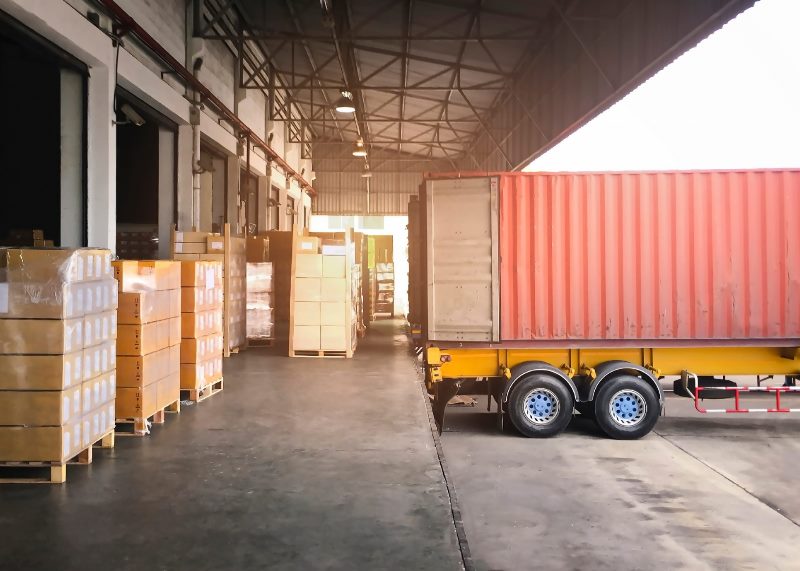
Explore Related Logistics Services
To scope warehousing and bonded storage in Ghana, provide the stock types, expected receipt and dispatch volumes, and required inventory records. Explain who will approve movements and how exceptions should be reported so the warehouse enquiry reflects the operating workload.
Which records help control warehouse stock?
Keep identifiable receipt, location and dispatch records, with authorised adjustments for discrepancies. Use references the warehouse and business can both connect to the same goods.
How should a stock discrepancy be handled?
Record the difference and check the relevant receipt, movement and dispatch records. Assign an investigation owner and obtain approval before adjusting the stock balance.
