


Key takeaways
- Ghana's non-traditional agricultural exports reached US$710.3 million in 2025, up 37.82 percent on the previous year (Ecofin Agency, 2026).
- Cashew nuts led non-traditional agricultural earnings at US$297.59 million, roughly 42 percent of the category (Ecofin Agency, 2026).
- Perishable produce almost always ships by air; dry commodities like cocoa, cashew and shea move cheaply by sea in containers.
- You need a GEPA exporter registration plus product-specific certificates, including a phytosanitary certificate for plant products.
- Cold-chain breaks are the main cause of rejected produce, so pre-cooling and temperature-controlled transport matter as much as the freight booking.
Exporting agricultural goods from Ghana comes down to four decisions: what you ship, how you package and cool it, which permits and certificates you hold, and whether it travels by sea or air. Get those right and the rest of the process is mostly paperwork and timing.
Ghana sells far more than cocoa to the world. In 2025, the country's non-traditional agricultural exports reached US$710.3 million, a 37.82 percent jump on the year before (Ecofin Agency, 2026). That growth is spread across cashew, shea, fruit and vegetables, and it opens a real opportunity for businesses ready to meet export standards.
This guide walks through the products, the handling, the compliance and the freight so you can plan a shipment with confidence.
Key products when exporting agricultural goods from Ghana
Cashew and shea now lead Ghana's non-traditional agricultural trade. In 2025, cashew nuts earned US$297.59 million, about 42 percent of the non-traditional agricultural total, while shea nuts brought in US$177.79 million, more than double the previous year (Ecofin Agency, 2026).
Cocoa remains the headline crop and is classed separately as a traditional export. Beyond cocoa, cashew and shea, the export mix includes fresh and dried fruit such as pineapple, mango and banana, plus yam, plantain and a range of vegetables grown for European and regional markets.
Each product behaves differently in transit. Dry commodities like cocoa beans, raw cashew and dried shea are stable and tolerant of long sea voyages. Fresh fruit and vegetables are fragile and time-sensitive, which changes almost every packing and freight decision you make. Knowing which category your goods fall into is the first planning step.
How should agricultural goods be packaged for export?
Packaging protects produce from heat, moisture, crushing and contamination across a journey that can last weeks. For perishables, the single biggest risk is a break in the cold chain, the unbroken run of temperature control from farm to buyer. A few warm hours on a loading bay can spoil a whole pallet.
Good practice starts at harvest. Fresh produce should be pre-cooled quickly to remove field heat, then kept in refrigerated storage and transport. Fruit and vegetables typically travel in ventilated cartons on pallets inside a reefer (refrigerated) container, with the temperature set to the crop's specific range.
Dry commodities need a different defence: moisture control. Cocoa, cashew and shea are packed in breathable jute or woven bags, kept away from damp, and loaded into clean, dry containers. Fumigation or treatment may be required depending on the destination's pest rules.
Label every carton clearly with product, grade, weight, batch and origin. Clean, consistent packaging also signals quality to buyers and reduces the chance of inspection delays on arrival.
Which permits and quality certifications do you need?
Every Ghanaian agricultural exporter needs an exporter registration and, for plant products, a phytosanitary certificate confirming the goods are free of regulated pests and diseases. Missing or incorrect certificates are a common reason produce is held or rejected at the destination port.
Start by registering as an exporter with the Ghana Export Promotion Authority (GEPA), the government body that promotes and records non-traditional exports. You can read GEPA's own guidance for exporters on the Ghana Export Promotion Authority website.
For most crops you will also need:
- A phytosanitary certificate from the Plant Protection and Regulatory Services Directorate (PPRSD), issued after inspection.
- A certificate of origin, which buyers and customs use to confirm the goods are Ghanaian.
- Quality or grading certificates where the product or buyer requires them, for example cocoa grading or food-safety documentation.
- Any destination-specific certificates, such as European Union plant-health rules for fresh produce.
Buyers in regulated markets often ask for additional standards, such as GlobalG.A.P. for fresh produce or organic certification. Confirm the full list with your buyer before you ship, because requirements vary by product and by country. For the wider process, our step-by-step guide to exporting goods from Ghana sets out the sequence in detail.
Should you choose sea or air freight for perishables?
For most perishable produce, air freight is the practical choice, because the transit time is short enough to deliver fruit and vegetables while they are still fresh. For dry and hardy goods, sea freight is far cheaper and the slower transit does no harm.
The trade-off is cost against time. Air freight moves produce from Accra to European markets in a day or two, which suits soft fruit, fresh vegetables and anything with a short shelf life. The downside is price: air rates are many times higher per kilogram than sea, so the goods must carry enough value to justify it.
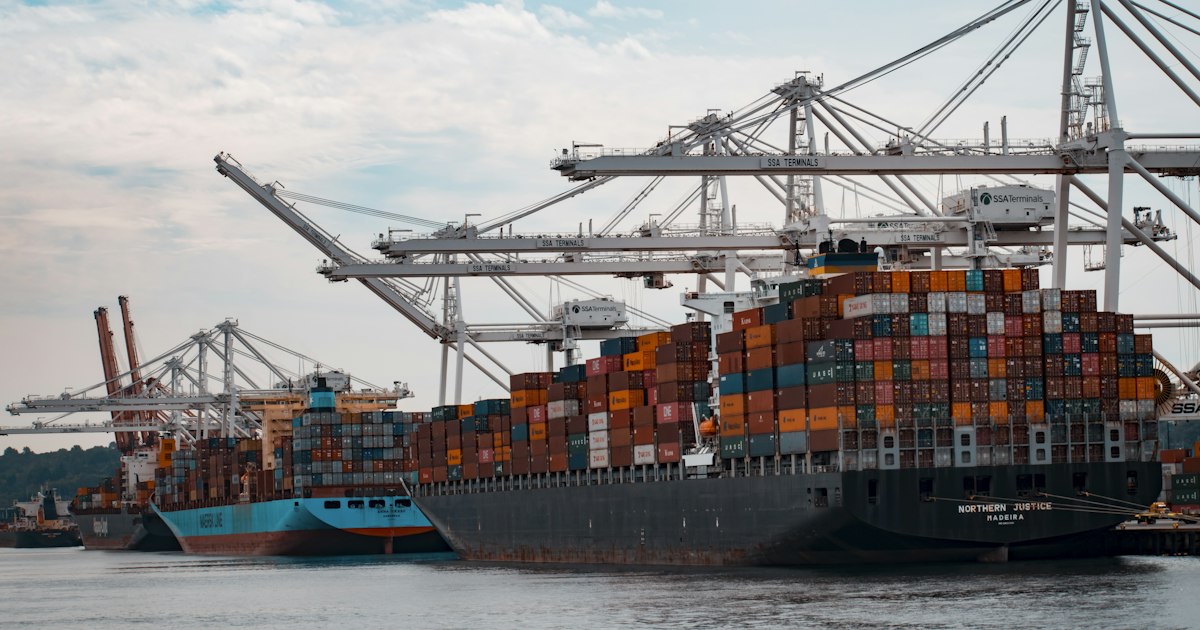
Sea freight, using standard or refrigerated containers, is the backbone of commodity exports. Cocoa, raw cashew and dried shea ship economically by sea because they tolerate weeks in transit. Some longer-life fresh produce, such as certain banana and pineapple varieties, also moves by reefer sea container when volumes are high and the cold chain is reliable.
A simple rule helps: match the freight mode to shelf life and value. Short shelf life and high value point to air. Long shelf life and lower value per kilo point to sea. When speed is the deciding factor, our overview of air freight services in Ghana explains when paying the premium makes sense.
How does BJH Logistics support agricultural exporters?
BJH Logistics handles the full export chain for Ghanaian agricultural shippers, from inland collection to the final booking by sea or air. The aim is to keep produce moving and compliant, so it arrives in good condition and clears customs without surprises.
Our team arranges temperature-controlled road transport and warehousing so the cold chain holds from the farm gate to the port. We help assemble export documentation, including the phytosanitary certificate, certificate of origin and customs paperwork, and we coordinate inspections so nothing stalls at the terminal.
On the freight side, we book both reefer and standard sea containers and air cargo space, and we advise on which mode fits a given crop, volume and buyer deadline. For exporters new to the process, this removes much of the guesswork around routing, consolidation and timing.
If you are planning your first agricultural shipment or scaling an existing one, contact BJH Logistics to map out the packaging, permits and freight for your specific product and destination. A short planning conversation before harvest usually saves far more than it costs in avoided spoilage and delays.
Frequently asked questions
What are Ghana's main agricultural exports?
Cocoa is the largest traditional export. Among non-traditional agricultural products, cashew nuts and shea nuts lead, followed by bananas, pineapples, mangoes, yam and fresh vegetables.
Do I need a permit to export agricultural goods from Ghana?
Yes. You register as an exporter with the Ghana Export Promotion Authority, and most plant products require a phytosanitary certificate from the Plant Protection and Regulatory Services Directorate, plus any buyer-country certificates.
Should I ship perishable produce by sea or air?
Highly perishable items such as fresh vegetables and soft fruit usually go by air. Hardier produce and dry commodities like cocoa, cashew and dried shea travel well by refrigerated or standard sea container.
What is a phytosanitary certificate?
It is an official document confirming that plant or plant-based goods were inspected and are free of regulated pests and diseases. Most countries require it before they will clear imported agricultural produce.
How can a freight forwarder help an agricultural exporter?
A forwarder arranges booking, cold-chain transport, customs documentation and the choice between sea and air. This reduces spoilage, avoids delays at the port, and keeps produce compliant with destination rules.
