


Key takeaways
- To export from Ghana you must register your business with the Registrar General, get a TIN from the GRA, and register with the Ghana Export Promotion Authority (GEPA).
- Ghana's 2024 total exports reached GH₵294.9 billion, with gold making up 55.3% of that revenue (Ghana Statistical Service, 2025).
- All export declarations are filed electronically through ICUMS, the single-window customs system managed by the Ghana Revenue Authority.
- Tema Port handles the bulk of Ghana's seaborne trade, while Kotoka International Airport serves urgent, high-value air freight.
- A freight forwarder like BJH Logistics can handle documentation, customs and booking so first-time exporters avoid costly delays.
Exporting from Ghana comes down to five things: register your business, register with GEPA, prepare the right documents, file a customs declaration through ICUMS, and move the goods by sea or air. Get those in order and the process is predictable, even for a first-time shipper. This guide walks through each stage so you know exactly what to do and in what sequence.
Ghana's export sector is sizeable and growing. Total exports reached GH₵294.9 billion in 2024, producing a trade surplus of GH₵44.7 billion (Ghana Statistical Service, reported by the Ghana News Agency, 2025). That scale means the official channels are well established, and following them properly is what keeps your cargo moving.
What Does the Ghana Export Process Look Like?
The export process in Ghana follows a clear path: register, document, declare, inspect, ship. In 2024, gold made up 55.3% of total export revenue, petroleum 17.8% and cocoa 8.4%, according to the Ghana Statistical Service (Ghana News Agency, 2025). Whatever you ship, the administrative route is the same.
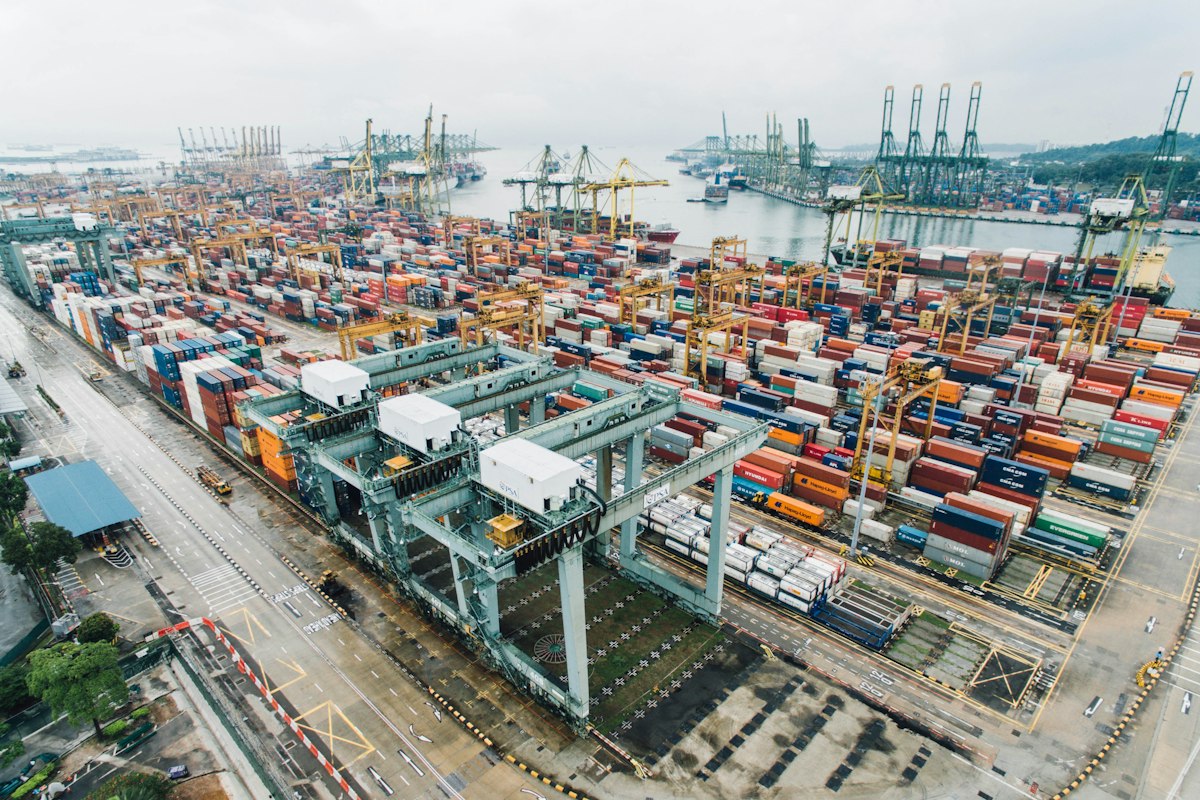
Think of it as a sequence rather than a pile of paperwork. First you establish your legal right to trade. Then you gather the documents that describe your shipment. Next you declare the goods to Customs electronically. Customs inspects and releases. Finally the goods leave through a port or the airport.
Most delays happen when exporters skip ahead. A buyer is waiting, so the goods get packed before the paperwork is ready. Tackle the stages in order and you avoid cargo sitting at the port while a missing permit is chased down.
How Do I Register and Get Export Documentation Ready?
Before you can export, you need three registrations: a business registered with the Registrar General's Department, a Tax Identification Number (or GhanaCard PIN) from the Ghana Revenue Authority, and registration with the Ghana Export Promotion Authority (GEPA) to receive your export number.
GEPA registration asks for your Certificate of Incorporation, Certificate to Commence Business, company regulations and TIN if you are a company. Sole proprietors provide their Certificate of Registration and Form A. Once registered, you hold the export number that identifies you on every declaration.
With registration done, assemble the shipment documents. Most exports need the following:
- Commercial invoice describing the goods, quantities and values
- Packing list detailing how the cargo is packed
- Bill of lading (sea) or air waybill (air) from your carrier
- Certificate of origin confirming the goods were made in Ghana
- Bank of Ghana exchange control form (Form A2 for traditional exports)
- Product-specific permits where the goods are regulated
Regulated products carry extra requirements. Cocoa needs a COCOBOD export permit and quality certificate. Timber requires a permit from the Forestry Commission. Agricultural produce needs a phytosanitary certificate from the Plant Protection and Regulatory Services Directorate. Check your product category early, because these permits take time to obtain. A missing certificate is one of the most common reasons an otherwise ready shipment stalls at the gate.
What Are the Customs and Port Procedures for Exporters?
Every export is declared electronically through ICUMS, the Integrated Customs Management System run by the Ghana Revenue Authority. ICUMS is the single-window platform for all customs declarations, so no shipment leaves the country without an entry in it. The official steps are published by the Ghana Revenue Authority Customs Division.
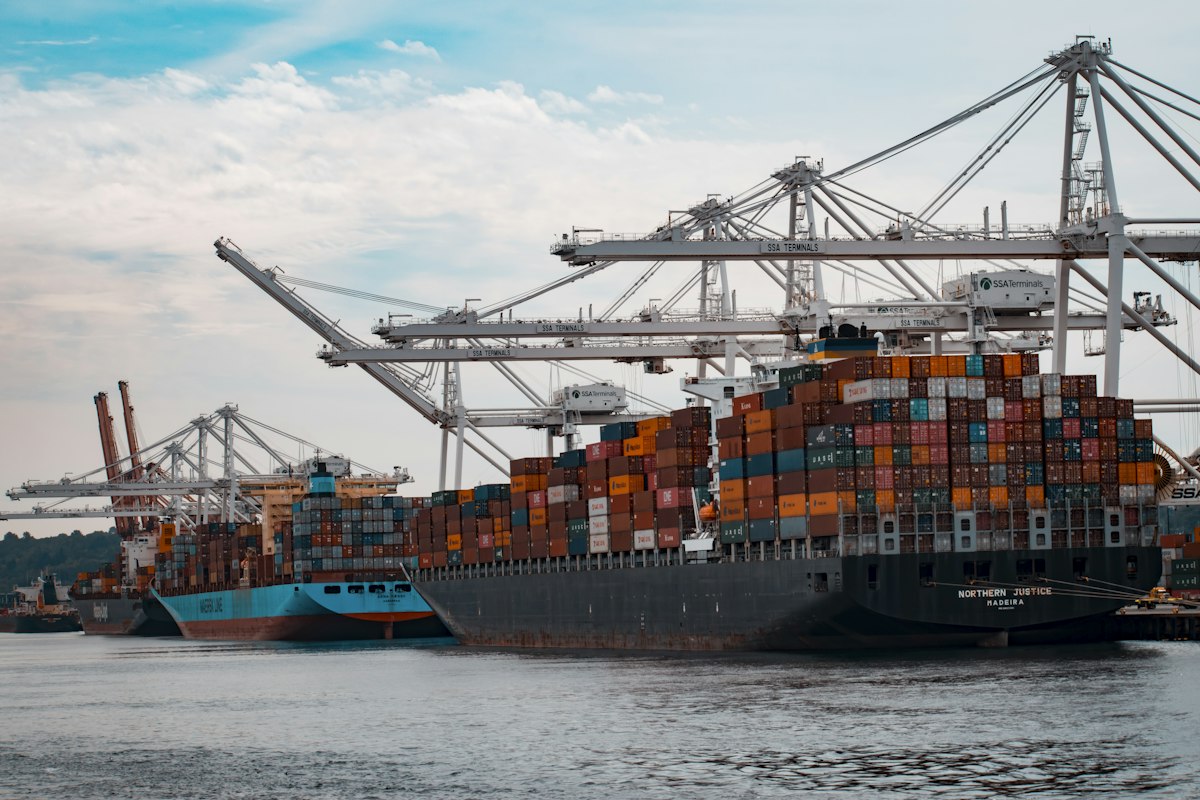
For a traditional export, the procedure runs like this. You obtain the Bank of Ghana exchange control form from your bank. You complete the customs declaration in ICUMS and attach the relevant certificates and permits. You present the goods to Customs at the point of export for inspection. Once Customs is satisfied, the goods are released for loading.
The physical side happens at one of Ghana's gateways. Tema Port, east of Accra, handles the majority of the country's seaborne trade, while Takoradi Port in the Western Region serves bulk commodities and a large share of vessel traffic. Air cargo moves through Kotoka International Airport in Accra.
A clean declaration matters. Mismatched values between the invoice and the declaration, or a missing permit, will hold the shipment. The mechanics mirror the import side closely, and our walkthrough of Ghana customs clearance procedures step-by-step shows how ICUMS entries are built and cleared in practice.
Should I Choose Sea or Air Freight for My Exports?
The choice between sea and air comes down to weight, value and urgency. Sea freight carries heavy or bulky cargo at a much lower cost per kilogram, which is why it moves the vast majority of Ghana's physical exports. Air freight is faster but costs considerably more, so it earns its place only for the right goods.
Choose sea freight when:
- The cargo is heavy, bulky or shipped in volume
- The buyer's timeline allows for weeks of transit
- Cost per unit is the deciding factor
Choose air freight when:
- The goods are lightweight and high in value
- A buyer needs delivery within days
- The product is perishable or seasonal, such as fresh produce
Many exporters use both over time, matching the method to each order. A full container of processed cocoa products sails; a sample consignment or an urgent perishable flies. For a side-by-side view of cost, speed and when each wins, see our comparison of sea freight vs air freight for Ghana shippers.
Container choice matters too. If your cargo does not fill a container, consolidating it with other shippers keeps costs down, while a full load gives you the whole box. Weigh that against transit time and the value of the goods before you book.
How Does BJH Logistics Support Ghanaian Exporters?
BJH Logistics handles the parts of exporting that slow first-timers down: documentation, the ICUMS declaration, carrier booking and coordination at the port. As a freight forwarder based in Ghana, the team works across Tema, Takoradi and Kotoka, so you deal with one point of contact rather than juggling several.
In practice, that means a forwarder can review your paperwork before it reaches Customs, flag a missing permit early, book the right sea or air service for your cargo, and keep you updated while the goods clear and load. For an exporter shipping to a deadline, that coordination is often the difference between an on-time arrival and a costly delay.
The support scales with your needs. A single pallet of samples and a regular container programme both run through the same process, and the forwarder adjusts the service to match. That flexibility matters as your export volumes grow from occasional orders to a steady schedule.
Start with your first shipment. Decide what you are exporting and to whom, confirm your GEPA registration and TIN, then list the documents your product needs. Once that foundation is in place, contact BJH Logistics with your cargo details and let the team build the declaration and booking around it. That single next step turns a plan into a shipment on the water or in the air.
Frequently asked questions
Do I need to register with GEPA to export from Ghana?
Yes. Registering with the Ghana Export Promotion Authority and obtaining an export number is a standard requirement for exporters, alongside business registration and a TIN from the Ghana Revenue Authority.
What is ICUMS and why does it matter for exporters?
ICUMS is the Integrated Customs Management System, Ghana's electronic single-window platform for filing customs declarations. Every export declaration is processed through it, so you cannot clear goods without an ICUMS entry.
Should I ship my exports by sea or by air?
Sea freight suits heavy, bulky or non-urgent cargo and costs far less per kilo. Air freight suits lightweight, high-value or time-sensitive goods that must reach the buyer within days.
What were Ghana's main export products in 2024?
Gold led by a wide margin at 55.3% of export revenue, followed by petroleum at 17.8% and cocoa at 8.4%, according to the Ghana Statistical Service.
Can a freight forwarder handle the whole export process for me?
Yes. A forwarder such as BJH Logistics can prepare documents, file your ICUMS declaration, book sea or air freight and coordinate inspection at the port, which is useful for first-time exporters.
