

Key takeaways
- ICUMS (Integrated Customs Management System) is Ghana's single electronic platform for declaring and clearing every import and export through the Ghana Revenue Authority.
- It went live nationwide on 1 June 2020, replacing the earlier GCNet and West Blue arrangement with one unified portal at external.unipassghana.com.
- An ICUMS declaration moves through classification, valuation, duty assessment, payment, inspection and release, and accurate data at the start prevents costly rejections.
- Most clearance delays come from wrong HS codes, mismatched documents or undervaluation, all of which trigger re-routing to physical inspection.
- A licensed clearing agent files directly in ICUMS on your behalf, which is why importers who lack a portal account use one for every consignment.
ICUMS is the single electronic system every importer and exporter in Ghana now uses to clear cargo through the Ghana Revenue Authority. It stands for Integrated Customs Management System, and it handles the full journey of a shipment: declaration, classification, duty assessment, payment, inspection and release, all in one online portal.
If you move goods in or out of Ghana, you deal with ICUMS Ghana whether you file the declaration yourself or a clearing agent does it for you. This guide explains what the system is, how it came to replace the older platforms, how a declaration actually moves through it, what you pay, and how to keep your cargo from getting stuck.
An overview of ICUMS Ghana
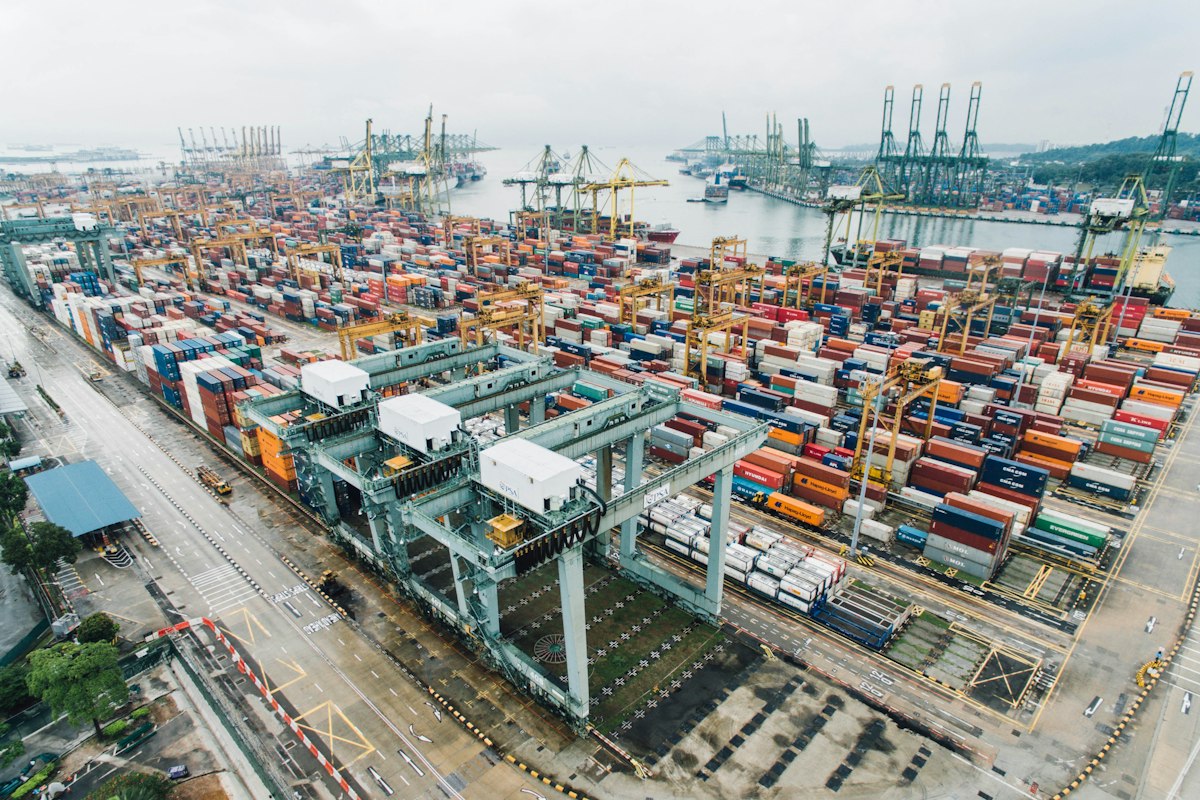
The Integrated Customs Management System is a national single-window platform. That means one portal connects importers, exporters, clearing agents, shipping lines, terminal operators and the various government agencies that have a say in what crosses the border. Instead of filing with several bodies separately, you submit through ICUMS and the system routes your data where it needs to go.
ICUMS is operated by UNIPASS-Ghana, delivered through Ghana Link Network Services with technical support from CUPIA, the IT arm of Korea Customs. The Ghana Revenue Authority remains the customs authority behind it. According to the Ghana Revenue Authority, the system took over the roles previously carried out by PAARS and the Ghana Customs Management System, and declarations are now submitted through the official portal at external.unipassghana.com.
In practice, ICUMS gives you a few core functions:
- Creating a Unique Consignment Reference (UCR) for each shipment
- Lodging import and export declarations online
- Calculating duties, taxes and fees automatically
- Making payment electronically
- Tracking the status of a consignment from submission to release
How ICUMS replaced the previous clearance platforms
Before ICUMS, Ghana ran its customs clearance through a split arrangement. GCNet handled the electronic data exchange and West Blue Consulting managed the single-window services. Traders often had to move between more than one system to complete a single clearance, which added steps and points of friction.
ICUMS went live nationwide on 1 June 2020, consolidating those functions under one operator and one portal. The change was significant for revenue as well as for workflow. In its first months of operation the Ghana Revenue Authority reported that customs collections through ICUMS ran well ahead of the monthly averages seen under the previous GCNet system, which officials pointed to as evidence that the single platform was closing leakage and capturing more of what was due.
The transition was not without disruption at the ports during the early weeks, as agents and officers adapted to a new interface and new procedures. Those teething issues have since settled, and ICUMS is now the established route for every declaration.
Step by step: declaring and processing cargo in ICUMS
A customs declaration in ICUMS follows a defined sequence. Knowing the order helps you spot where a shipment might stall.
- Register and get access. Importers, exporters and agents need a Taxpayer Identification Number and a portal account. Most businesses work through a licensed clearing agent who already has access.
- Create the Unique Consignment Reference. The UCR ties the shipment, the manifest and the declaration together. It is generated before the goods arrive so data can be matched on arrival.
- Classify the goods. Every item is assigned a Harmonized System (HS) code. The code determines the duty rate, so getting it right is the single most important data-entry step.
- Declare the value. You enter the transaction value, freight and insurance so the system can establish the customs value (usually the CIF value).
- Assessment. ICUMS calculates import duty, VAT, levies and processing fees based on the classification and value you supplied.
- Pay. Duties and fees are settled electronically through the system's payment channels.
- Risk routing and inspection. The system assigns the consignment to a channel. Lower-risk cargo may be released quickly, while flagged cargo is routed for documentary or physical inspection.
- Release. Once duties are paid and any inspection clears, ICUMS issues the release and the cargo can leave the port or airport.
For a deeper walk-through of each stage at the port, see our guide to Ghana customs clearance procedures step-by-step.
Common ICUMS fees, charges and payment methods
What you pay through ICUMS has two broad parts: the statutory duties and taxes on the goods themselves, and the fees tied to using the system and clearing the cargo.
On the duty side, import duty, VAT, the National Health Insurance Levy, the GETFund levy and other applicable charges are calculated on the customs value of your goods. These rates depend entirely on the HS classification, which is why an incorrect code can quietly inflate or understate what you owe.
On the system side, an ICUMS processing fee applies to declarations. The United States International Trade Administration reports an ICUMS fee of 0.75 percent of the free-on-board value, and a processing fee of 1 percent of the CIF value plus duty for certain products. The same guide notes that overall import compliance can amount to a sizeable share of a good's value once every charge is added, so it pays to budget for the full landed cost rather than the duty alone.
Payment is handled electronically inside the portal. Settling duties and fees promptly matters, because release does not happen until payment is confirmed and any inspection has cleared. Having funds ready for the full assessment keeps a consignment moving once it is cleared for release.
Tips to avoid delays and errors when using ICUMS
Most ICUMS hold-ups trace back to data that does not line up. The system is strict about consistency, and a mismatch between your declaration and your supporting documents is the fastest way to get routed for inspection.
- Use the correct HS code. A wrong classification changes your duty and can trigger a re-assessment. Confirm the code against your actual product, not a close approximation.
- Match your documents exactly. The invoice, packing list, bill of lading or airway bill and the declaration should all agree on quantities, values and descriptions.
- Declare a realistic value. Undervaluation is a common trigger for physical inspection and penalties. Declare the true transaction value.
- File early. Creating the UCR and lodging the declaration before the cargo lands gives customs time to process and reduces demurrage risk.
- Keep your documents complete. Missing permits or certificates for regulated goods will stop a release cold. Having the full set ready avoids a scramble at the port.
Getting the paperwork right the first time is half the battle. Assembling the full set of import documents, the invoice, packing list, bill of lading and any permits, before you file keeps the declaration from stalling for a missing record.
How a clearing agent streamlines ICUMS processing
For most businesses, the practical answer to ICUMS is a licensed clearing agent. Agents hold portal access, file declarations daily, and know how the system classifies and routes goods. That experience turns a process that can trip up a first-time filer into a routine handover.
A good agent does the work that causes delays when it is done wrong: assigning accurate HS codes, aligning the declaration with your shipping documents, handling the electronic payment, and following the consignment through risk routing to release. When cargo is flagged for inspection, the agent is the one on the ground resolving queries with customs officers.
BJH Logistics files directly in ICUMS for importers and exporters moving goods through Ghana's ports and airports, covering classification, declaration, duty payment and release as part of our freight forwarding and customs clearance service. That means you hand over your documents once and track the outcome, rather than learning the portal yourself.
If you plan to import regularly, your next step is to line up a clearing agent before your first shipment arrives, so your UCR and declaration are ready the moment the cargo lands. Send your commercial invoice, packing list and bill of lading to a licensed agent, confirm the HS classification together, and you will have cleared the hardest part of ICUMS before your container ever reaches the port.
Frequently asked questions
What does ICUMS stand for?
ICUMS stands for Integrated Customs Management System. It is the electronic platform the Ghana Revenue Authority uses to process all customs declarations for imports and exports.
Who operates ICUMS in Ghana?
ICUMS is operated by UNIPASS-Ghana, delivered through Ghana Link Network Services with technical support from CUPIA (Korea Customs), on behalf of the Ghana Revenue Authority.
When did ICUMS replace GCNet?
ICUMS rolled out nationwide on 1 June 2020, taking over from the previous GCNet and West Blue systems that had handled Ghana's customs clearance.
Can I use ICUMS myself or do I need an agent?
You can register for a portal account, but most importers use a licensed clearing agent who files declarations, classifies goods and handles payments directly in ICUMS.
What is the ICUMS portal address?
The official ICUMS portal is external.unipassghana.com, where declarations, manifests and cargo status can be managed online.
