

Practical container guide
Plan a compact store that people can actually use
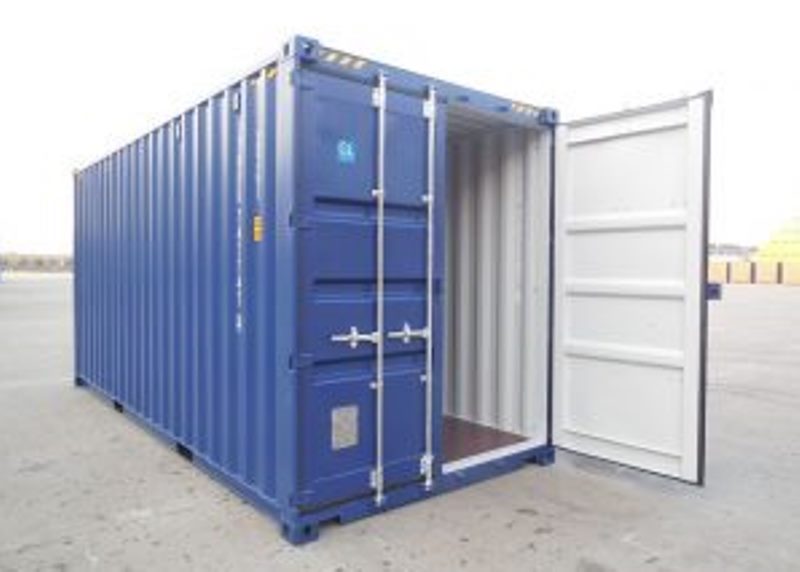
A 20 ft container can provide a separate store for a small business when goods need to stay close to a shop, workshop or project site. The useful question is how the space will work every day: what goes inside, how often staff retrieve it and whether the goods need protection beyond a closed steel box.
Start with an inventory and a simple layout before buying. Shelving, a clear access route and a suitable delivery position can matter as much as the container’s headline size.
A compact container store works best for suitable dry stock, tools, spare parts or event equipment when the unit is sound, the site is accessible and frequently used items remain easy to reach.
Four practical storage ideas
Group cartons by product and place fast-moving lines near the doors. Label each location so replenishment does not require opening every box.
Use labelled bins for small components and separate incoming parts from items already allocated to a job. Keep an inventory record outside the container as well.
Create defined positions for tools, workwear and compatible consumables. A sign-out record makes it easier to see what is stored and what has gone to site.
Store folded furniture, display materials and boxed accessories by event kit. Put the next kit to be dispatched within reach rather than behind long-term stock.
Measure usable space, not just the container length
Hapag-Lloyd’s example standard 20 ft unit has internal dimensions of about 5.90 m by 2.35 m by 2.40 m and a capacity of 33.2 m³. That is approximately 13.9 m² of floor area before shelves, an aisle or other fittings. Dimensions vary by unit, so measure the container you intend to buy.
Draw the shelf positions and the access route on paper. Check whether your widest carton, trolley or piece of equipment can pass through the doors and reach its storage position. A container packed completely full may hold more goods but make routine stock retrieval much harder.
Organise the interior around the way you work
- Put frequently collected items near the entrance and slower-moving stock further inside.
- Label shelves and cartons with matching location codes.
- Use a defined area for damaged goods or returns so they do not re-enter usable stock.
- Keep heavy items low and use shelving suitable for the loads it will carry.
- Leave enough working space for staff to retrieve items without moving unrelated stock.
For example, a spare-parts shop could keep small fittings in labelled bins near the doors and larger boxed items along the sides. The layout should follow the retrieval pattern rather than the order in which the goods arrived.
Check condition, moisture and suitability
Before use, review the roof, door seals, floor and interior for damage, water marks, rust, residues or signs of pests. A unit that looks tidy outside may still need repairs or cleaning. Arrange a suitable inspection and ventilate before initial entry; previous cargo or fumigation can affect the internal atmosphere.
A standard dry container is not a temperature-controlled store. If your goods need a specified temperature or humidity range, choose storage that can meet it. Keep incoming goods and packaging dry, and plan how moisture will be managed for the actual products and site.
Plan the delivery position and daily access
Give the delivery provider the site location, gate dimensions, approach route and photographs of the proposed position. Confirm the ground and support requirements with the people handling placement. Leave space for the doors to open and for staff to move stock, and keep the access route clear.
Before committing, compare the condition and delivered cost of a used 20 ft container. If the layout is already cramped on paper, review 20 ft versus 40 ft container options rather than assuming a smaller unit will accommodate future stock.
Technical references: Hapag-Lloyd 20 ft example specifications and the CTU Code quick guide.
Discuss a container for your business storage
Send BJH Logistics your intended use, site location, stock dimensions and access photographs so the container and delivery requirements can be discussed together.
Can a 20 ft container replace a warehouse?
It can serve as a compact store for suitable goods, but it may not provide the handling space, controlled environment or operating facilities your business needs. Compare the daily workflow and product requirements before choosing it.
What should I prepare before asking for a storage container?
Prepare the intended use, the goods and their dimensions, the site location, the access route and any required shelving or environmental controls. These details make the discussion more specific than a request for a container size alone.
