


Key takeaways
- A reliable Ghana shipping company should hold a valid freight forwarding licence, offer customs brokerage in-house, and give you a named contact for your shipment.
- Full-service providers that handle sea, air, customs, warehousing, and road transport under one roof reduce handoffs and delays.
- Tema handles the vast majority of Ghana's container traffic, so a Tema-based operation shortens the distance between your cargo and its release.
- Before booking, confirm the all-in quote, the clearance timeline, insurance cover, and how the provider handles demurrage and inspection holds.
- BJH Logistics covers freight forwarding, sea and air freight, customs clearance, warehousing, and road transport for importers and exporters in Ghana.
The best shipping company in Ghana for your business is the one that holds a valid freight forwarding licence, clears customs in-house, and gives you a single accountable contact from pickup to delivery. Price matters, but the provider that saves you the most is usually the one that prevents delays at Tema Port rather than the one with the lowest headline quote.
Ghana runs one of West Africa's busiest trade corridors. In 2024, the country's total exports reached GH₵294.9 billion and imports reached GH₵250.2 billion, according to the Ghana Statistical Service 2024 Annual Trade Report. Behind those numbers sit thousands of importers and exporters choosing a shipping partner. This guide walks through what to check, which services matter, the questions to ask before you book, and why a Tema base changes how fast your cargo clears.
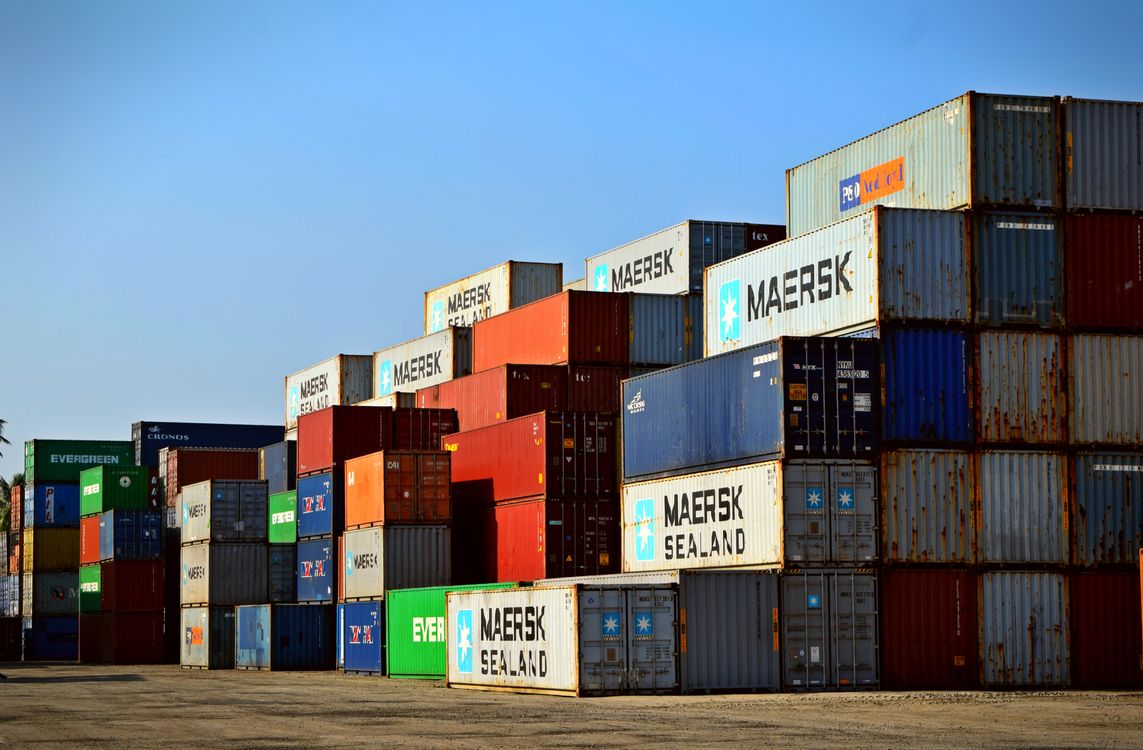
What to look for in a reliable shipping company in Ghana
A reliable shipping company in Ghana proves three things quickly: legal standing, operational range, and accountability. Ask for the freight forwarding licence and registration before anything else. A licensed forwarder is bound by rules on documentation and customs conduct, which protects you when something goes wrong at the port.
Beyond the paperwork, look for these signals:
- In-house customs clearance. A forwarder who brokers your entry directly controls the timeline. One that outsources it adds a handoff and a margin.
- A named contact. You want a person, not a queue. Shipments generate questions, and a single point of contact resolves them faster.
- Transparent, all-in pricing. The cheapest quote often excludes duties, terminal handling, demurrage, and delivery. A clear breakdown lets you compare providers honestly.
- Cargo insurance. Confirm whether cover is included, optional, or absent. Uninsured freight is a risk you carry alone.
- Track record with your cargo type. Perishables, vehicles, machinery, and general goods each move differently. Experience with your category counts.
Providers such as BJH Logistics that combine a licence with in-house brokerage give importers one accountable partner rather than a chain of subcontractors, which is where most delays and surprise charges creep in.
Services BJH offers: sea, air, customs, warehousing, road transport
BJH Logistics covers the full journey of your cargo through five connected services: sea freight, air freight, customs clearance, warehousing, and road transport. Keeping these under one provider removes the gaps between stages where shipments stall.
Here is how each service fits into a typical import:
- Sea freight. The workhorse for most Ghanaian trade. Full-container and shared-container options move bulk goods cost-effectively through Tema.
- Air freight. Faster and priced higher, air suits time-sensitive, high-value, or perishable cargo where days matter more than freight cost.
- Customs clearance. In-house brokerage handles classification, valuation, duty assessment, and release, so your goods are not sitting idle waiting on a third party.
- Warehousing. Storage near the port lets you stagger delivery, consolidate shipments, and avoid rushed collection under demurrage pressure.
- Road transport. Final-leg haulage moves cleared cargo from Tema to your premises anywhere in the country.
The advantage of a single provider is continuity. When the forwarder, broker, warehouse, and trucker are one company, no one can point fingers across a handoff. That accountability is worth more than a marginal saving spread across five separate vendors.
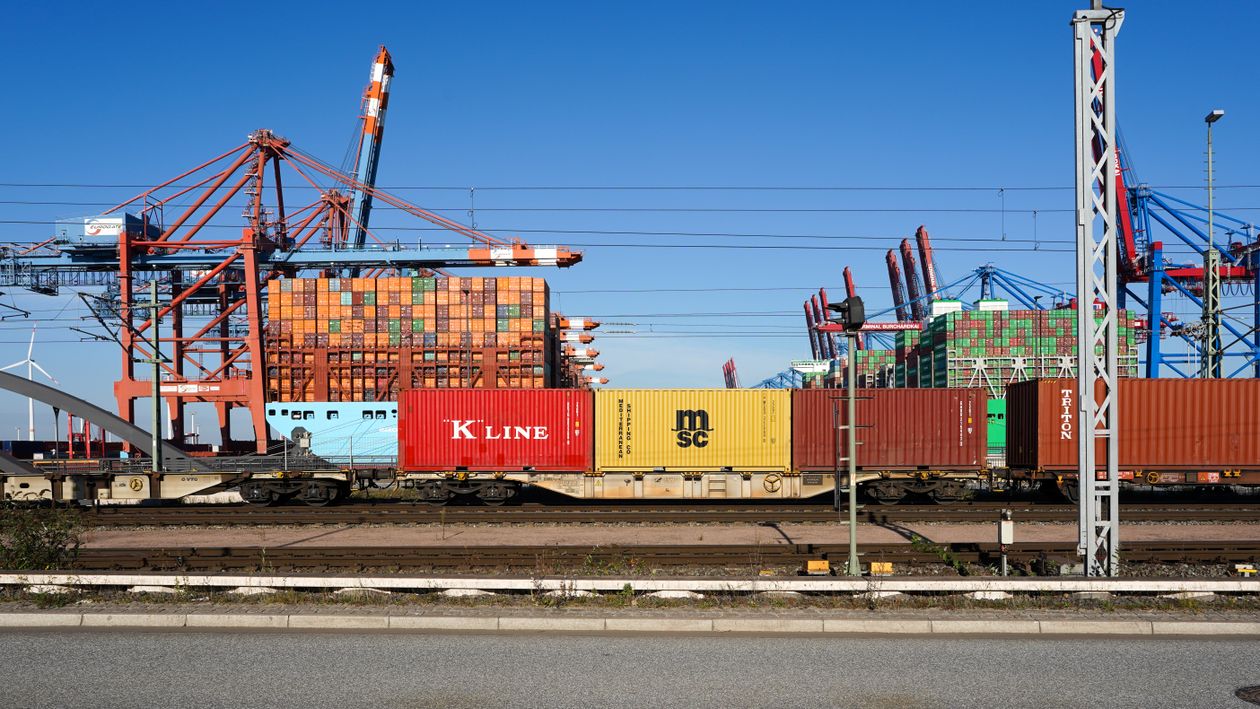
Questions to ask before booking a shipment
Before you commit, put five direct questions to any shipping company in Ghana. Their answers tell you more than any brochure.
- What is the all-in cost? Ask for freight, duties, terminal handling, clearance fees, and delivery in one figure. Then ask what is excluded. A vague answer is a warning.
- What is the realistic timeline? Request an estimate for transit, clearance, and final delivery. A provider who quotes a best-case number and hides the risks is setting you up for frustration.
- How is my cargo insured? Confirm what cover exists, what it excludes, and what happens if goods are damaged or lost in transit.
- Who is my contact? Get a name, a phone number, and confirmation that this person tracks your shipment end to end.
- How do you handle delays and holds? Inspection holds, demurrage, and duty disputes happen. Ask exactly how the provider manages them and who absorbs the cost.
Ghana's customs process rewards accurate paperwork. The Ghana Revenue Authority sets the rules for classification, valuation, and duty payment, and a forwarder who knows this system well prevents the errors that trigger inspection and delay. When you ask these questions, you are testing whether the provider understands that process or is guessing.
Why Tema-based operations speed up clearance
A Tema base speeds up clearance because the port handles the overwhelming majority of Ghana's container traffic, and the brokers, terminals, and release systems all cluster around it. A provider physically present at Tema sits inside that ecosystem rather than driving into it.
Proximity matters in practical ways. When an inspection is called, a Tema-based broker can attend in person the same day rather than scheduling a trip. When documents need correction, the fix happens on-site. When cargo is released, the warehouse and trucks are minutes away, not a country away. Each of these small advantages compounds into days saved and demurrage avoided.
Distance from the port introduces friction at every step. A forwarder based far from Tema either subcontracts the on-the-ground work, adding a handoff, or absorbs travel time that slows your release. BJH Logistics operates from Tema, which keeps its brokers, warehouse, and transport close to where your cargo actually lands and clears.
How BJH compares to other providers
BJH Logistics competes on range and accountability rather than on being the cheapest line item. Several Ghanaian forwarders offer sea freight or customs brokerage, and some names you will meet in a search, including Centrimex, McDan Shipping, and Greenline Logistics, hold established positions in the market. The comparison that counts is which provider matches how you actually ship, regardless of company size.
Use a simple test when you compare quotes. First, does the provider handle sea, air, customs, warehousing, and road transport in-house, or does it stitch together subcontractors? Second, is it based at Tema, where clearance happens? Third, does the quote break down every cost, or does it hide charges that appear later? A provider that scores well on all three, as BJH Logistics does across its five service lines from a Tema base, gives you fewer handoffs and clearer accountability.
For a broader read on how a country's logistics ecosystem performs, the World Bank's Logistics Performance Index benchmarks customs efficiency, infrastructure, and timeliness across countries. It is a useful lens for understanding why the on-the-ground choices in this guide, licence, in-house clearance, and port proximity, translate into real time and cost differences.
Making the choice
Shortlist two or three providers, send each the same five questions from the section above, and compare the answers side by side. Whichever gives you a clear all-in quote, a realistic timeline, and a named contact at Tema is the one that will move your cargo with the fewest surprises. If you import or export through Tema and want a single partner across sea, air, customs, warehousing, and road transport, request a quote from BJH Logistics and put those same questions to the test.
Frequently asked questions
What should I look for in a shipping company in Ghana?
Check for a valid freight forwarding licence, in-house customs clearance, transparent all-in pricing, cargo insurance, and a named contact who manages your shipment from origin to delivery.
Why does a Tema base help with customs clearance?
Tema handles most of Ghana's container traffic and hosts the main clearance infrastructure. A provider based there sits close to the port, its brokers, and the release process, which cuts avoidable delays.
Does BJH Logistics handle both sea and air freight?
Yes. BJH Logistics offers sea freight, air freight, customs clearance, warehousing, and road transport, so a single provider can manage the full journey of your cargo.
How long does customs clearance take at Tema Port?
Clearance times vary with cargo type, documentation, and inspection. Ask your provider for a realistic estimate for your specific goods and confirm how they handle inspection holds and demurrage.
What questions should I ask before booking a shipment?
Ask for the all-in cost, the expected transit and clearance timeline, insurance terms, who your point of contact is, and how the provider handles delays, duties, and unexpected charges.
