

Key takeaways
- Ghana customs clearance runs through ICUMS, which routes every consignment into a red, yellow or green channel that decides how goods are examined.
- You need an original Bill of Lading or air waybill, an attested commercial invoice, a packing list, an Import Declaration Form and a TIN or GhanaCard PIN before you can clear cargo.
- Most import taxes are calculated on the CIF value, including import duty, VAT, the NHIL and GETFund levies, and an ICUMS processing fee.
- The Customs Act 2015 requires most importers to clear goods through a licensed customs house agent rather than filing declarations themselves.
- Incomplete paperwork, missing regulatory permits and payment delays cause most avoidable clearance holdups at Ghana ports.
Customs clearance in Ghana is the process of lodging your import declaration through ICUMS, paying the assessed duties and taxes, and passing the examination channel your cargo is assigned before goods leave the port. Getting it right means correct paperwork, an accurate declaration and a licensed agent acting on your behalf, and getting it wrong means storage charges and cargo stuck at Tema or Takoradi. This guide walks through what clearance actually involves, the documents and duties you will face, the delays that trip up most importers, and how to move goods faster.
What customs clearance in Ghana involves
Every commercial shipment entering Ghana passes through the Ghana Revenue Authority (GRA) Customs Division. That process now runs on the Integrated Customs Management System, known as ICUMS, a single electronic window that handles declarations from lodging through to release.
Your clearing agent submits a declaration through ICUMS containing all the supporting documents. According to the GRA import procedures, the system processes each declaration through three stages: classification, valuation and approval. Once duties are assessed, the importer pays at a participating bank using the tax bill ICUMS generates.
ICUMS then routes the consignment into one of three risk channels:
- Red channel triggers a mandatory physical examination of the goods.
- Yellow channel requires a digital scan.
- Green channel releases cargo at the gate, scanned automatically on the way out.
Which channel your cargo lands in depends on the risk profile of the goods, the importer and the accuracy of the declaration. Clean, well-documented shipments are far more likely to sail through the green channel, which is the single biggest lever you have over how fast your cargo moves.
Documents and duties required at Ghana ports
Clearance stalls most often over paperwork, so it pays to assemble everything before your vessel berths. The GRA lists the core documents an importer must have on hand:
- Original waybill or Bill of Lading (the air waybill for air freight)
- Attested commercial invoice showing the declared value
- Packing list itemising the contents
- Import Declaration Form (IDF) from the Ministry of Trade
- Taxpayer Identification Number (TIN) or GhanaCard PIN
- Any regulatory permits the goods require, for example from the Food and Drugs Authority or the Ghana Standards Authority
Missing or inconsistent versions of these documents are the fastest route to a delay, so the values, quantities and descriptions should match across every one of them.
The duties and taxes you will pay
Ghana applies several charges to imports, and most are calculated on the CIF value (cost, insurance and freight). The exact import duty rate depends on the goods' HS classification and can range widely. On top of the duty, importers typically face:
- Value Added Tax
- The National Health Insurance Levy (NHIL)
- The GETFund levy
- A special import levy
- An ICUMS processing fee
- The ECOWAS levy
Because these charges stack on different bases, the effective landed cost of an import is meaningfully higher than the invoice value alone. Ghana's VAT and levy framework was revised through the Value Added Tax Act 2025, so importers should confirm current rates against the GRA's published schedules rather than relying on older figures. Building an accurate duty estimate before shipping avoids the nasty surprise of an assessment that outstrips your budget.
Common delays and how to avoid them
Clearance timelines in Ghana vary widely by terminal, cargo type and examination channel. Green-channel cargo with complete paperwork and paid duties can move quickly, while red-channel consignments requiring physical inspection take considerably longer. The published port processes at Tema and Takoradi set out the official sequence, but most delays trace back to a handful of avoidable causes.
Incomplete or inconsistent documentation. When the invoice value, the packing list quantity and the Bill of Lading do not agree, Customs flags the declaration for review. Reconcile every figure before submission.
Missing regulatory permits. Food, pharmaceuticals, cosmetics and many other categories need clearance from bodies like the FDA before Customs will release them. Apply for these permits early, not after the ship arrives.
Valuation disputes. If Customs believes your declared value is too low, the declaration goes into re-valuation, which stalls the whole process. A properly attested commercial invoice reduces this risk.
Payment delays. Duties are paid at participating banks against an ICUMS-generated tax bill. Slow payment keeps cargo in the channel and racks up storage and demurrage charges.
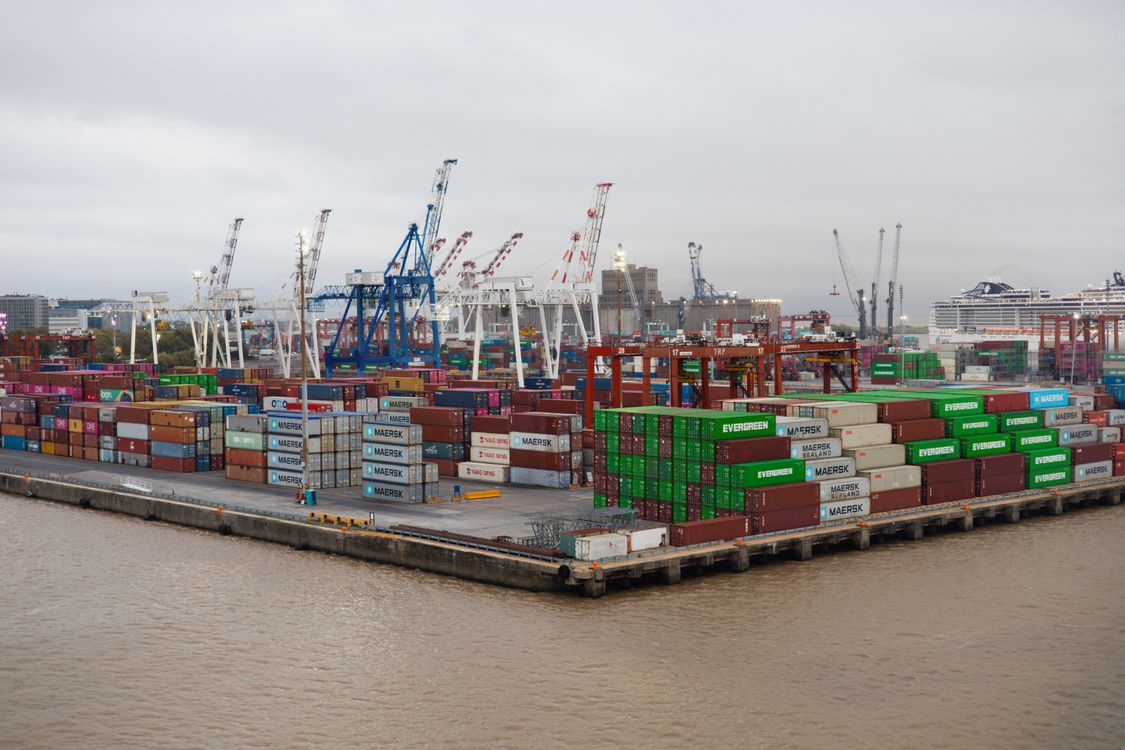
Container congestion. During peak import periods, terminals get crowded and physical examinations back up. Building slack into your timeline protects you when the port is busy.
The common thread is preparation. Nearly every avoidable delay comes down to something that could have been sorted before the vessel berthed.
The role of a licensed clearing agent
For most importers, clearing goods without an agent is not an option. The Customs Act 2015 (Act 891) requires all importers, except registered self-declarants, to lodge their declarations through a licensed customs house agent. Customs treats it as a legal requirement, and enforces it.
Licensing is deliberately tight. A customs house agent must be a company that is wholly Ghanaian-owned, must employ at least one person holding a certificate of proficiency in customs business, and must renew its licence annually. That structure exists because the agent takes on real responsibility: classifying goods correctly, valuing them accurately and standing behind the declaration.
A capable agent does more than file forms. They know how HS codes map to your products, they anticipate which permits Customs will demand, and they resolve queries with GRA officers before those queries turn into holds. The difference between a green-channel release and a week of back-and-forth often comes down to whether your agent got the declaration right the first time.
How BJH speeds up Ghana customs clearance
BJH Logistics handles the full clearance chain for importers and exporters moving goods through Ghana's ports and airport. As a licensed operator, we lodge declarations through ICUMS, classify and value your goods accurately, and coordinate the regulatory permits your cargo needs so nothing is missing when the vessel berths.
Because clearance sits inside our wider freight forwarding, sea and air freight, and warehousing services, we manage the handoffs that usually cause delays. We prepare documentation to match across every form, flag valuation risks before submission, and stay on top of duty payment so your consignment does not stall waiting on a bank confirmation. When cargo is routed to the red or yellow channel, we manage the examination directly rather than leaving you to chase updates.
The result is fewer surprises and shorter dwell times at the port, which keeps storage and demurrage charges down.
If you have a shipment inbound to Tema, Takoradi or Kotoka, send us the Bill of Lading and commercial invoice ahead of arrival. We will build a duty estimate and a clearance plan before your vessel docks, so the moment it does, your declaration is ready to move.
Frequently asked questions
How long does customs clearance take in Ghana?
Timelines vary by cargo type, terminal and examination channel. Green-channel consignments with complete documentation and paid duties move fastest, while red-channel cargo requiring physical examination takes longer.
Do I need a clearing agent to clear goods in Ghana?
Yes. The Customs Act 2015 requires most importers to use a licensed customs house agent. Only registered self-declarants may file their own declarations.
What documents do I need for customs clearance in Ghana?
You need the original Bill of Lading or air waybill, an attested commercial invoice, a packing list, an Import Declaration Form, and a TIN or GhanaCard PIN. Regulated goods also need permits from agencies such as the FDA or GSA.
What is ICUMS?
ICUMS, the Integrated Customs Management System, is Ghana's single-window electronic platform for lodging import declarations, processing valuations and assigning cargo to an examination channel before release.
Which taxes apply to imports in Ghana?
Import duty, VAT, the NHIL and GETFund levies, a special import levy and an ICUMS processing fee typically apply. Most are calculated on the CIF value of the shipment, and duty rates depend on the goods' HS classification.
