


Key takeaways
- Air freight suits urgent, high-value, low-weight or perishable cargo moving through Kotoka International Airport in Accra.
- Global air cargo demand grew 3.4% in 2025, with yields still 37.2% above 2019 levels, so booking early protects your rate (IATA, 2026).
- Airlines charge the greater of actual weight or volumetric weight, calculated as length x width x height in cm divided by 6000.
- Typical transit from Accra to the UK or Europe runs about two to three days door to airport, against three weeks or more by sea.
- Clear, complete documentation keeps customs moving and protects the speed advantage you paid for.
Choose air freight when the cost of waiting is higher than the cost of flying. For urgent spare parts, high-value electronics, medical supplies, and perishables moving through Ghana, speed often decides whether a shipment is worth sending at all. Air freight services in Ghana give importers and exporters a route measured in days rather than weeks, with Kotoka International Airport in Accra as the main gateway.
This guide is written for businesses ready to book, not just browse. It covers which cargo belongs on a plane, realistic transit times, how airlines calculate what you pay, and how to arrange a shipment with BJH Logistics without losing the time advantage you are paying for.
What Do Air Freight Services in Ghana Cover?
Air freight services in Ghana move time-sensitive cargo through Kotoka International Airport in Accra to destinations across Europe, the Middle East, Asia, and North America. In 2025, global air cargo demand grew 3.4% to a record volume, and yields stayed 37.2% above 2019 levels (IATA, 2026). Demand remains strong, so capacity is worth booking early.
A full air freight service goes well beyond the flight. A capable forwarder handles collection, export packing checks, airline booking, documentation, customs clearance at both ends, and final delivery. The airline operates one leg. The forwarder manages the journey.
BJH Logistics coordinates this end to end, combining air freight with customs clearance and road transport so your cargo keeps moving after it lands. If you are weighing the trade-offs against ocean shipping, our comparison of sea freight versus air freight for Ghana importers breaks down the cost and speed maths.
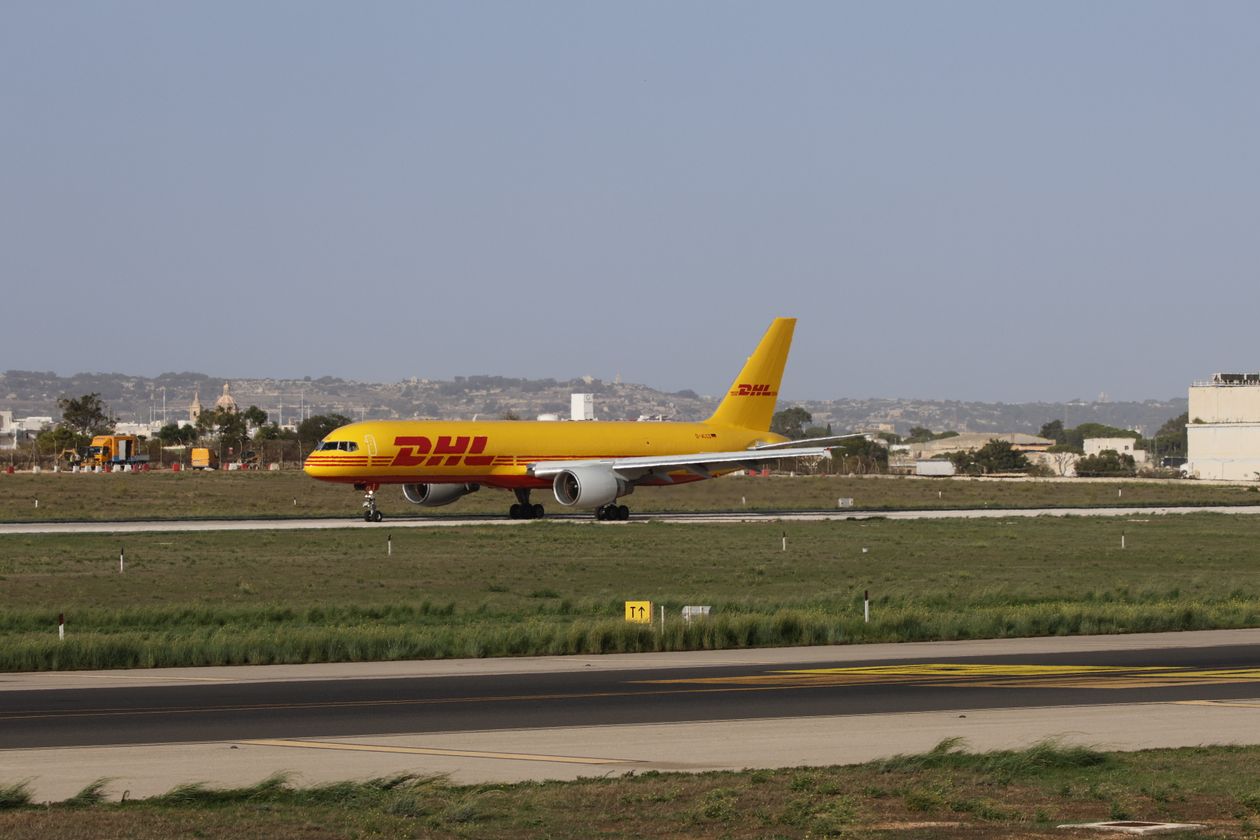
Which Cargo Types Are Best for Air Freight?
Air freight rewards cargo with a high value-to-weight ratio or a short shelf life. The question to ask is simple: does the speed justify the premium? For electronics, pharmaceuticals, documents, samples, and spare parts, the answer is usually yes.
Good candidates for air freight include:
- Perishables: fresh produce, flowers, and foodstuffs that lose value by the day.
- High-value goods: electronics, phones, jewellery, and precision instruments.
- Urgent spares: machine parts that keep a factory or vehicle fleet running.
- Pharmaceuticals and medical supplies: temperature-sensitive and often time-critical.
- Samples and prototypes: items that need to reach a buyer before a deadline.
Heavy, bulky, low-value goods tell a different story. Building materials, furniture, and large machinery rarely earn their air freight cost and usually belong on the water. When several commodities ship together, splitting urgent items onto a plane and the rest onto a vessel often works best.
How Fast Is Transit via Kotoka International Airport?
Transit via Kotoka International Airport is measured in days. A direct flight from Accra to a European hub such as London or Amsterdam typically lands within one to two days, and total door-to-airport transit runs about two to three days once handling and customs are included. Sea freight on the same lane often takes three weeks or more.
That gap is the whole point of air freight. The table below sets realistic expectations for common lanes, measured from airline acceptance to arrival at the destination airport.
| Destination region | Typical flight transit | Notes |
|---|---|---|
| Europe (UK, Netherlands) | 1-2 days | Frequent direct and one-stop routings |
| Middle East (UAE) | 1-2 days | Strong hub connectivity |
| Asia (China, India) | 2-4 days | Usually one connection |
| North America | 2-4 days | Often routed via Europe |
Real-world timing depends on flight frequency, space availability, and how quickly cargo clears customs. The flight is the fast part. Delays almost always happen on the ground, which is why documentation discipline matters so much.
Peak seasons also compress available space. In the weeks before major holidays and during harvest windows for perishable exports, belly-hold and freighter capacity tighten across West African routes. Confirmed bookings made a few days ahead protect both your space and your rate. For a recurring shipping lane, a standing arrangement with your forwarder smooths out these seasonal squeezes and keeps your transit times predictable throughout the year.
What Drives Air Freight Cost and Chargeable Weight?
Air freight cost is driven by chargeable weight, not simply by how heavy your shipment feels. Airlines bill the greater of actual weight or volumetric weight. Volumetric weight is calculated as length times width times height in centimetres, divided by 6000. A light but bulky box can therefore cost far more than its scale weight suggests.
Suppose a carton measures 60 x 50 x 40 cm and weighs 8 kg. Its volumetric weight is (60 x 50 x 40) / 6000, which equals 20 kg. You pay on 20 kg, because volume exceeds actual weight. Dense cargo of the same size would be charged on its heavier actual weight instead.
Beyond chargeable weight, several factors move the final price:
- Fuel and security surcharges, which shift with market conditions.
- Route and capacity, since popular lanes with tight space cost more.
- Handling, screening, and terminal fees at origin and destination.
- Customs duties and taxes, calculated separately from freight.
- Special handling for perishables, dangerous goods, or temperature control.
Duties and taxes often surprise first-time importers because they sit outside the freight quote. With global yields still well above pre-pandemic levels, packing efficiently to reduce volumetric weight is one of the few levers you fully control.
How Do You Book Air Freight With BJH?
Booking air freight with BJH Logistics starts with a clear picture of your cargo: what it is, its dimensions and weight, where it is going, and how fast it must arrive. From there, our team books space, prepares documentation, and manages clearance so the shipment keeps its speed advantage from pickup to delivery.
A smooth booking usually follows these steps:
- Share cargo details. Provide a commercial invoice, packing list, dimensions, and weight.
- Receive a quote. We confirm chargeable weight, routing, and expected transit time.
- Confirm and prepare. We check packing, labelling, and export paperwork.
- Fly and clear. Cargo departs Kotoka or arrives for clearance, and we handle customs.
- Final delivery. Road transport moves your goods to the final address.
Complete, accurate paperwork is the single biggest factor in avoiding ground delays. Missing or inconsistent documents stall cargo at customs and erase the time you paid a premium to save. Before you book, review the documents required to import goods into Ghana so nothing holds your shipment at the airport.
To move an urgent shipment, contact BJH Logistics with your cargo details and destination. Send the dimensions, weight, and required arrival date, and our team will confirm the fastest viable routing and a firm chargeable-weight quote so you can decide with full cost in hand.
Frequently asked questions
How long does air freight take from Ghana to Europe?
Flights from Kotoka International Airport to European hubs typically land within one to two days. Allow two to three days total once handling, customs, and onward delivery are included.
What is chargeable weight in air freight?
Airlines bill the greater of actual weight or volumetric weight. Volumetric weight is length x width x height in centimetres divided by 6000. Light, bulky cargo is usually charged on volume.
Is air freight worth it for Ghana importers?
It is worth it when speed, product value, or shelf life justify the cost. For urgent spare parts, electronics, documents, and perishables, air freight often pays for itself despite higher per-kilo rates.
Which airport handles air cargo in Ghana?
Kotoka International Airport in Accra is Ghana's primary air cargo gateway, with scheduled freighter and belly-hold capacity to Europe, the Middle East, Asia, and North America.
What cargo should not go by air freight?
Heavy, low-value bulk goods such as building materials, furniture, and large machinery usually travel more economically by sea. Air freight rewards weight-to-value efficiency, not sheer volume.
