


Key takeaways
- Ghanaian returning residents who lived abroad continuously for 12 or more months can import removal articles such as household goods and appliances duty-free (Ghana Revenue Authority).
- You must file an unaccompanied baggage declaration within 48 hours of arrival to claim the exemption.
- Non-exempt household goods fall in Ghana's 20% duty band, with 15% VAT and about 12% in other levies added on top of CIF value.
- Sea freight suits full households and relocations; air freight suits small, urgent or high-value items.
- A detailed packing inventory with values is the single document that most speeds up customs clearance.
If you are a Ghanaian who has lived abroad for a year or more, you can usually bring your household goods home free of import duty. Everyone else pays duty, VAT and levies, so the money you save depends on who you are, what you ship, and how carefully you prepare your paperwork.
Shipping personal effects to Ghana trips up a lot of first-timers because the rules treat your belongings differently from ordinary cargo. Get the classification and documents right and clearance is quick. Get them wrong and your boxes sit at the port while charges mount. This guide walks through what qualifies, how to move it, and what customs expects from you.
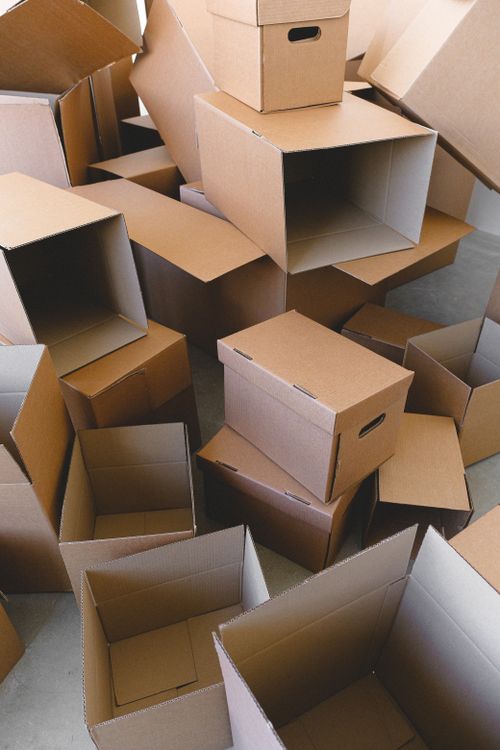
What Counts as Personal Effects Versus Commercial Cargo?
Personal effects are the used, owned items that make up your household, and Ghana customs calls them "removal articles" when a resident relocates. The Ghana Revenue Authority lists movable personal belongings, domestic appliances, household provisions, collectors' pieces, pets and tools of trade as removal articles (Ghana Revenue Authority, 2026).
The line matters because removal articles can qualify for duty relief, while commercial cargo cannot. Customs excludes motor vehicles, spare parts, building materials and anything in commercial quantities from the removal-articles category. So two televisions that are clearly yours read very differently from twenty identical units still in shrink wrap.
A simple test helps. If an officer can see the item has been used and belongs to your home, it leans personal. If it looks new, boxed in bulk, or meant for resale, it leans commercial. For electrical goods, the GRA asks for proof of at least six months of personal use before granting the baggage concession, so keep receipts or photos.
When you are importing something that sits firmly outside personal effects, such as a vehicle, the rules change entirely. Our guide on how to import a car into Ghana covers that process separately.
Should You Ship Household Goods by Sea or Air?
Sea freight is the default for anyone moving a full household, because the cost per cubic metre is a fraction of air freight. Air moves a few boxes in days; sea moves an entire home for a price that makes relocation affordable, which is why most families shipping personal effects to Ghana choose it.
Think about the trade-off in three questions. How much volume are you moving? How soon do you need it? How fragile or valuable is it?
- Sea freight suits furniture, appliances, boxes of clothing and anything bulky. You can book a shared container (LCL) for a partial load or a full container (FCL) for a whole house.
- Air freight suits a suitcase or two of essentials, documents, medication, or a small number of high-value items you want in hand quickly.
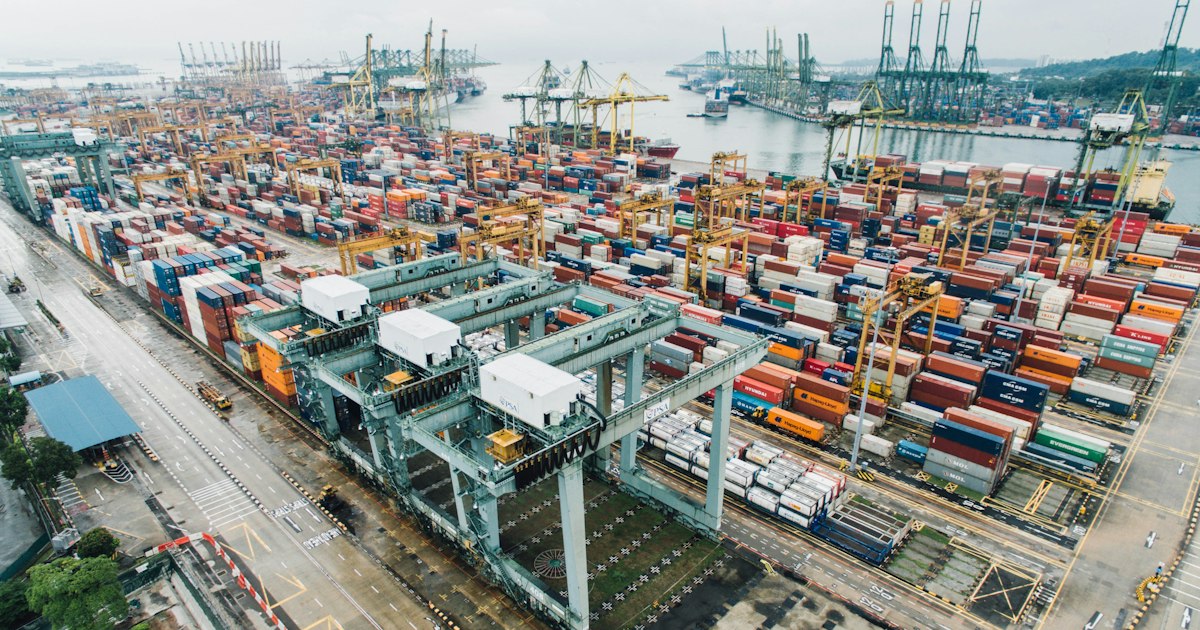
Plan for clearance time on top of transit. Once your shipment lands at Tema or Kotoka, it still has to pass through customs before release, and a complete declaration is what keeps that step short. A practical approach is to air-freight a small kit of immediate essentials and send the rest by sea.
Packing, Inventory and Valuation When Shipping Personal Effects to Ghana
A detailed packing inventory is the most useful document you can prepare, because customs uses it to verify that your shipment matches your declaration. List every box, number it, and note the main contents and an honest value for each. This single habit prevents most clearance delays.
Pack with the sea voyage in mind. Containers get hot and humid, and boxes get stacked, so use sturdy double-wall cartons, wrap fragile items individually, and fill gaps so nothing shifts. Label boxes clearly and keep electronics in their original packaging where you can.
Value your goods honestly at their current, used worth rather than what you paid new. Over-declaring can raise your duty if items turn out to be taxable; under-declaring can trigger penalties and inspections. For returning residents claiming exemption, the inventory still matters because customs confirms the goods are genuine household belongings, not resale stock.
A few packing habits pay off:
- Keep a copy of the inventory with you and email one to your forwarder.
- Photograph valuable or fragile items before sealing the box.
- Do not pack prohibited or restricted goods, such as weapons or certain foodstuffs, with your effects.
What Are the Duty Rules and Exemptions for Personal Items?
Ghanaian citizens aged 18 or over who have lived outside the country continuously for 12 or more months can import their removal articles free of duty (Ghana Revenue Authority, 2026). This returning-resident relief is the biggest saving available, and it is the reason classification matters so much.
If you do not qualify, your household goods are taxed like other consumer imports. Ghana uses five ECOWAS tariff bands of 0%, 5%, 10%, 20% and 35%, and consumer goods fall in the 20% band (U.S. International Trade Administration, 2024). On top of the duty you pay 15% VAT plus other levies that add roughly 12% to the CIF value, so the combined charge can exceed 23% of your shipment's value.
That gap between duty-free and fully taxed is why it pays to understand your status before you ship. A returning resident who declares correctly pays nothing on the same boxes that would cost a non-resident a quarter of their value.
The exemption has limits. It does not stretch to vehicles, building materials or commercial quantities, and customs expects the goods to be yours and used. Treat the relief as it is written, and keep evidence of your time abroad ready.
Which Documents Clear Personal Effects at Customs?
You clear personal effects with a small, specific set of documents, and the exemption hinges on timing. Returning residents must declare their unaccompanied baggage within 48 hours of arrival to claim duty-free treatment (Ghana Revenue Authority, 2026). Miss that window and the relief can lapse.
Prepare these before your shipment arrives:
- Passport and proof of residency abroad for the qualifying period.
- Bill of lading (sea) or air waybill (air) from your carrier.
- Detailed packing list with box numbers, contents and values.
- Unaccompanied baggage declaration for returning residents.
- Proof of personal use for electrical goods, such as receipts.
Ghana processes customs entries through its national single-window system, which handles valuation, duty assessment and release electronically. A clearing agent files your entry in that system on your behalf, which is why accurate paperwork handed over early makes the whole process faster.
How Does BJH Logistics Help Returning Residents and Expats?
BJH Logistics handles the full move, from collecting your boxes abroad to clearing them at the port and delivering to your door in Ghana. For returning residents and expats, the value is in getting the classification and documents right the first time, so your removal articles are treated as removal articles and your exemption holds.
A good forwarder does three things that save you money and stress. It books the right mode and container size for your volume, it prepares a clean declaration that matches your inventory, and it manages the customs entry so your shipment clears without avoidable delays. BJH offers sea and air freight, customs clearance and road transport under one roof, which keeps the handoffs simple.
If you are planning a relocation, start by sorting what goes by sea and what goes by air, then build your inventory early. Share that inventory with your forwarder and confirm your returning-resident status before the shipment sails. Contact BJH Logistics to map out your move and lock in the paperwork before your personal effects leave for Ghana.
Frequently asked questions
Can returning residents bring personal effects to Ghana duty-free?
Yes. A Ghanaian who has lived outside the country continuously for 12 or more months can import removal articles, including household goods and appliances, free of duty, provided the items are declared within 48 hours of arrival.
What counts as personal effects versus commercial cargo?
Personal effects are used, owned items for your own household: clothing, furniture, appliances and tools of trade. Commercial cargo is new goods, items in bulk or quantities meant for resale, which attract full duty and VAT.
Is sea or air freight better for shipping household goods to Ghana?
Sea freight is far cheaper for a full household and is the standard choice for relocations. Air freight costs much more per kilogram but delivers in days, so reserve it for small, urgent or fragile items.
What documents do I need to clear personal effects in Ghana?
You need a passport, a bill of lading or air waybill, a detailed packing list with values, and, for returning residents, an unaccompanied baggage declaration filed within 48 hours of arrival.
How much duty will I pay if my items are not exempt?
Most household goods sit in Ghana's 20% duty band. On top of that you pay 15% VAT and roughly 12% in other levies, so the total charge can exceed 23% of the CIF value of your shipment.
