


Key takeaways
- Sea freight from Ghana to the UK typically moves out of Tema port and takes roughly 18 to 25 days port to port, depending on carrier and transshipment routing.
- Container rates move with the global market: the Drewry World Container Index sat at 4,351 US dollars per 40ft container on 8 October 2026, so lock in quotes early.
- You must register as a shipper on ICUMS before you can clear an export, and your paperwork must match the bill of lading exactly to avoid holds.
- Choose FCL for full or high-value loads and LCL when you have less than roughly 15 cubic metres and can share container space.
Sea freight from Ghana to the UK usually ships out of Tema port and reaches UK ports such as Felixstowe, Tilbury or Southampton in roughly 18 to 25 days, with cost driven by container size and the current market rate. This guide gives you the routes, realistic timelines, documents and container choices you need to book with confidence and avoid costly holds.
If you are comparing providers and ready to move cargo, the detail below will help you brief a forwarder accurately and sanity-check any quote you receive.
What Are the Shipping Routes From Ghana to the UK?
Most cargo leaves Ghana through Tema, the country's largest container port, and arrives at a UK deep-sea hub before moving inland by road or rail. Direct sailings exist, but many services route through a European or North African transshipment hub, which affects both transit time and price.
The main UK arrival points are Felixstowe, London Gateway, Tilbury and Southampton. Felixstowe handles the largest share of UK container volume, so it often has the most frequent connections. Takoradi port in western Ghana is an option for bulk and project cargo, though Tema carries most containerised exports.
Routing matters because a transshipment leg adds handling and waiting time. A service that tranships through Algeciras or Rotterdam may quote a lower rate but a longer door-to-door window. When you request quotes, ask whether the sailing is direct or transshipped, and get the named vessel and voyage so you can track it.
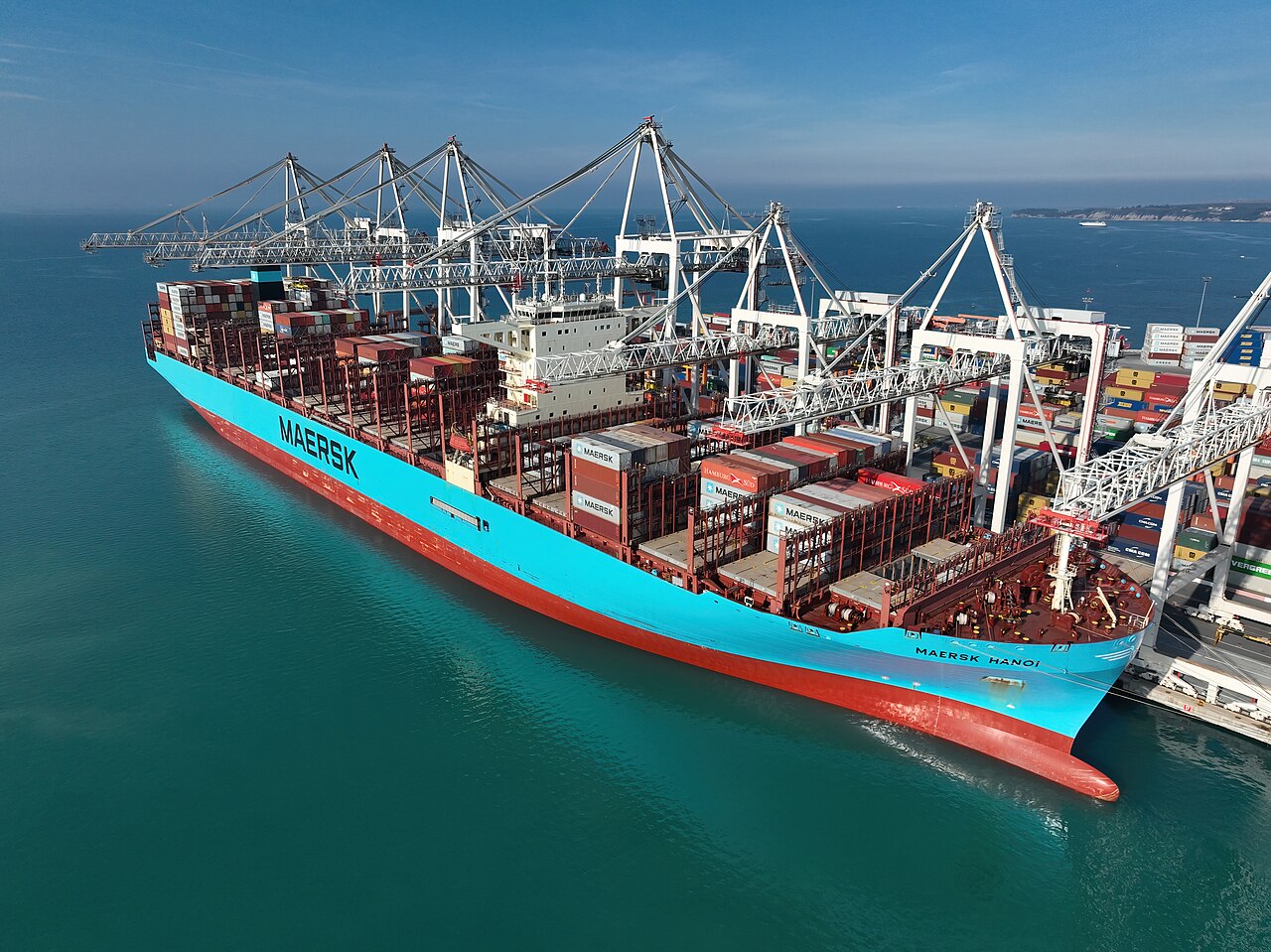
For context on how outbound and inbound lanes compare, a wider view of Ghana's trade lanes and their typical transit times helps you benchmark any single route.
How Long Does Sea Freight From Ghana to the UK Take?
Port to port, plan for roughly 18 to 25 days from Tema to a UK port, with the exact figure set by the carrier and whether the sailing is direct or transshipped. Door to door, add time for inland haulage at both ends, customs clearance and container collection, which can push the full journey past four weeks.
Several things stretch a timeline. Peak season congestion, blank sailings, weather and port strikes all add days. Container availability in Tema can also delay a booking before the cargo even sails. Build a buffer into any delivery promise you make to a customer in the UK.
Speed is the main trade-off against cost. Air freight is far faster but costs much more per kilogram, which makes sea the default for anything heavy, bulky or not urgent. If your shipment is time-sensitive, weigh the premium of air against the saving of sea before you book.
What Do Rates Look Like Right Now?
Container rates are set by the global market, not by a fixed Ghana to UK tariff, so they move week to week. As a benchmark, the Drewry World Container Index fell 2 percent to 4,351 US dollars per 40ft container on 8 October 2026, driven by softer demand on the Transpacific and Asia to Europe routes during China's Golden Week (Drewry World Container Index, 2026).
That index does not price the West Africa to UK lane directly, but it shows how quickly rates shift. A quote that looks good one week can change the next. Fuel surcharges, peak season fees and currency swings all feed into your final number.
Because rates move, the smartest play is to request live quotes from more than one forwarder and book early when you find a good rate. Many of the levers that cut import costs, such as consolidating loads and avoiding peak weeks, apply equally to exports.
What Export Documentation Do You Need?
Exporting from Ghana to the UK runs on a core document set plus any product-specific permits, and every figure must match across them. The essentials are a commercial invoice, a detailed packing list, the bill of lading issued by the carrier, and your ICUMS shipper registration.
Ghana now runs customs through ICUMS, the Integrated Customs Management System, and you must be registered as a shipper to transact. Mismatches between your invoice, packing list and bill of lading are a common cause of holds, so check weights, quantities and descriptions line by line before the container is gated in.
Regulated goods need more. Agricultural and food exports often require a phytosanitary certificate or other health documentation, and some products need a certificate of origin to claim preferential UK duty treatment. Confirm the exact list for your product before you ship, because a missing certificate can strand cargo at the UK border.
For a fuller checklist that applies in both directions, our overview of the documents required to move goods in and out of Ghana is a useful companion to this section.
Which Container Options Suit UK-Bound Cargo?
Your main choice is between a full container load and a shared one, sized to your volume. Under the ISO 668 standard, a 20ft container measures about 6,058mm long externally with roughly 33 cubic metres of internal space, while a 40ft container runs about 12,192mm long with around 67 cubic metres, so the 40ft gives you roughly double the room for a smaller jump in cost.
Full container load, or FCL, means you book the whole box. It suits full loads, fragile goods and high-value cargo you want sealed from origin to destination. Less than container load, or LCL, means your goods share space with other shippers and you pay per cubic metre, which works when your volume is small.
As a rough guide, cargo under about 15 cubic metres often ships more economically as LCL, while larger volumes tip toward a 20ft or 40ft FCL. High cube 40ft units add extra height for light, bulky loads. If you are still deciding, our side-by-side look at FCL versus LCL shipping lays out the break-even points.
Specialised cargo has its own equipment. Refrigerated reefers handle perishables, open-top and flat-rack units take oversized machinery, and these cost more and need earlier booking. Tell your forwarder the exact dimensions and weight so the right box is reserved.
How Does BJH Logistics Ship From Ghana to the UK?
BJH Logistics handles the full Ghana to UK journey as one coordinated service, from booking space on a sailing to clearing cargo and arranging final delivery. The aim is to remove the handoffs that cause delays when importers and exporters juggle separate carriers, customs brokers and hauliers.
In practice that means securing competitive rates across carriers, preparing and checking your export documentation against the bill of lading, managing the ICUMS and customs steps, and organising road haulage to and from the ports. Because one team owns the shipment end to end, problems such as a document mismatch or a missed sailing get caught earlier.
The same operation covers inland movement inside Ghana, so your cargo reaches Tema on schedule without a separate haulier to coordinate.
If you are ready to ship, the next step is simple: send BJH Logistics your cargo details, the commodity, weight, volume and target UK port, and ask for a live quote and the current sailing schedule. With rates moving week to week, an early, accurate brief is the single best thing you can do to protect both your timeline and your budget.
Frequently asked questions
How long does sea freight from Ghana to the UK take?
Port to port, most sailings from Tema to UK ports such as Felixstowe or Tilbury take around 18 to 25 days. Add a few days each side for inland haulage, customs clearance and container availability.
How much does it cost to ship a container from Ghana to the UK?
Rates change weekly with the global freight market, so always get a live quote. Cost depends on container size, port pair, season and fuel surcharges. LCL is priced per cubic metre and suits smaller loads.
What documents do I need to export from Ghana to the UK?
You need a commercial invoice, packing list, bill of lading, ICUMS shipper registration and any product-specific permits. Perishable or regulated goods need extra certificates such as phytosanitary documents.
Should I choose FCL or LCL for UK-bound cargo?
Pick FCL when you can fill most of a 20ft or 40ft container, or when goods are fragile or high value. Choose LCL when your volume is small, usually under about 15 cubic metres, and you want to pay only for the space you use.
