

Key takeaways
- FCL means you book a whole container; LCL means your cargo shares one with other shippers and you pay per cubic metre.
- LCL usually wins for small loads, but a 20ft FCL often costs less once your volume passes roughly 13 to 15 CBM.
- Over 80% of world trade by volume moves by sea, and ports handled about 920 million TEU in 2024 (UNCTAD, 2025).
- LCL adds consolidation and deconsolidation steps, so it typically takes longer and exposes cargo to more handling than FCL.
- The right choice depends on your exact volume, cargo fragility and trade lane, not a fixed rule.
Choose LCL when your cargo fills less than about half a container, and choose FCL once your volume is large enough to fill most of a 20ft box. That single decision shapes your freight bill, your transit time and how many times your goods get handled before they reach your warehouse in Accra or Kumasi.
Understanding FCL vs LCL shipping is one of the first things every Ghanaian importer needs to get right. Pick the wrong option and you either pay for empty space you never use or cram cargo into a shared container that arrives late and bruised. This guide breaks down the difference, the cost math, the volume breakpoint and the handling trade-offs so you can book with confidence.
What Is the Difference Between FCL and LCL Shipping?
FCL (Full Container Load) means you reserve an entire container for your cargo alone, while LCL (Less than Container Load) means your goods share a container with other shippers and you pay only for the space they occupy. Sea freight carries the bulk of world trade, so this choice affects a huge share of goods moving globally.
In 2024, ports worldwide handled about 920 million twenty-foot equivalent units (TEU), a 6.9% jump on the prior year (UNCTAD, Data Insights: Maritime Transport, 2025). Over 80% of the volume of international trade moves by sea, which is why container type matters so much for your landed cost.
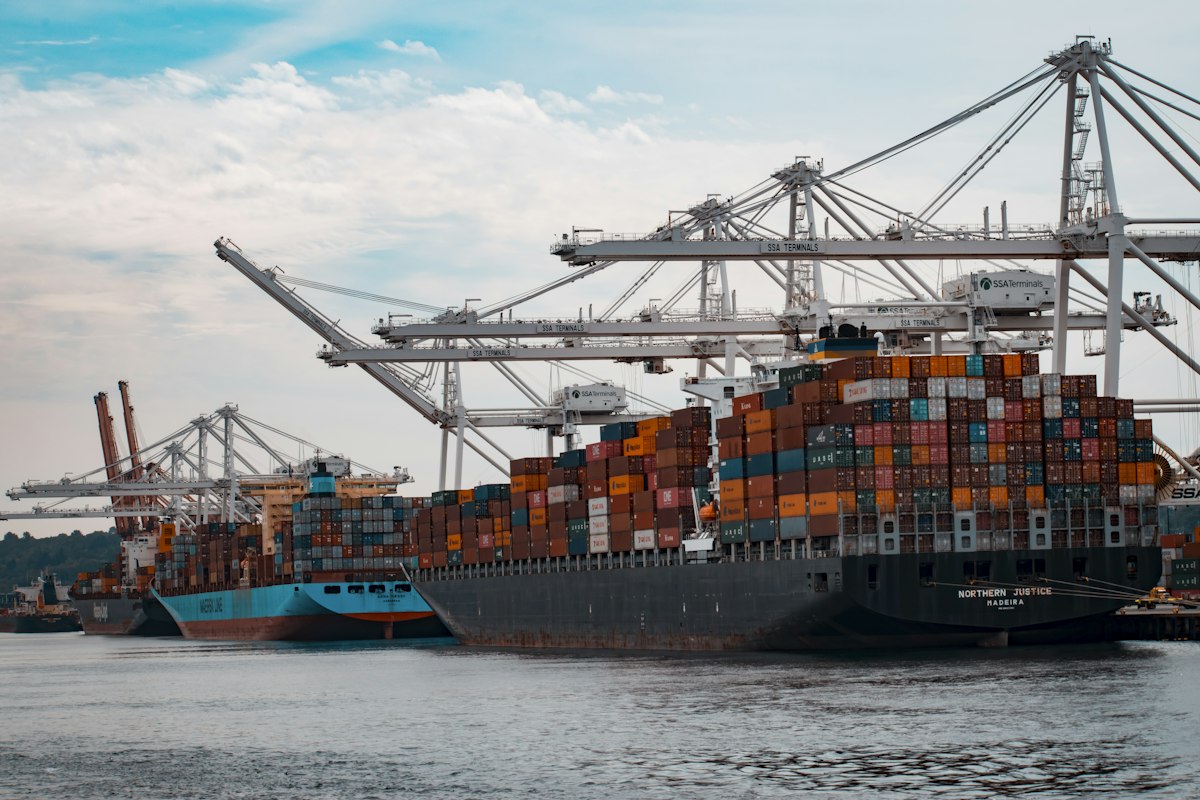
With FCL, the container is sealed at the origin and stays sealed until it reaches you. With LCL, a freight forwarder combines your pallets with cargo from other importers to fill one box, then separates everything again at the destination. Both ride the same vessels; the difference is whether you rent the whole space or a slice of it.
How Do FCL and LCL Costs Compare by Cargo Volume?
Cost comes down to how you are billed. LCL is priced per cubic metre (CBM), so a small load stays cheap. FCL is a flat rate for the whole container no matter how full it is. That flat rate is why a nearly full container almost always beats paying per CBM.
A standard 20ft container holds roughly 33 CBM and a 40ft container about 67 CBM, though real usable space runs lower once you account for pallets, packaging and loading gaps. For a few boxes of goods, renting a whole 20ft container would waste most of that volume, and LCL lets you avoid paying for air.
The math flips as volume grows. Picture LCL priced at a given rate per CBM against a fixed 20ft FCL rate. Ship 5 CBM and LCL is clearly cheaper. Ship 25 CBM and you are paying LCL rates for a volume that would nearly fill a container you could have rented outright for less.
Dense cargo complicates the picture. A 40ft container has double the volume of a 20ft but a similar weight limit, so heavy goods like machinery or tiles often hit the weight ceiling long before they fill the space. For those loads, weight, not CBM, decides your container size.
When Should You Consolidate Versus Book a Full Container?
Consolidate with LCL when your cargo is small, irregular or arriving in stages; book FCL once your volume is large enough to fill most of a 20ft container. Industry practitioners commonly point to a breakpoint around 13 to 15 CBM, the volume where LCL per-CBM charges tend to equal or exceed a flat 20ft FCL rate.
That figure is a guide, not a law. The real crossover depends on your trade lane, the season and current rates. The reliable way to decide is simple arithmetic: divide the FCL flat rate for your route by the LCL per-CBM rate. The result is the volume at which the two prices meet. Below it, consolidate; above it, book the full container.
There are also non-price reasons to pick one over the other. LCL suits a trader testing a new product line with a small first order. FCL suits a business importing regular, predictable volumes that wants a sealed box and a simpler customs file. If you are still weighing sea against air for urgent goods, our guide to sea freight vs air freight for Ghana importers covers that trade-off.
What Are the Transit and Handling Differences?
FCL generally moves faster and gets handled less because the container is sealed at origin and opened only at your destination. LCL adds two extra stages: consolidation at the origin port, where your cargo waits for other shipments to fill the box, and deconsolidation at arrival, where everything is separated again.
Those stages cost time. An LCL shipment can wait days for a container to fill before it ever sails, and the unpacking at the destination adds more. For a Ghana importer facing a deadline, that buffer matters. Africa still handles only a small share of world container traffic, so slot availability and consolidation timing on your lane can stretch schedules further.
Handling also affects risk. Every time cargo is split, moved and repacked, the odds of damage or a missorted carton rise. FCL keeps your goods untouched between the two ports. For fragile, high-value or tightly packed cargo, that sealed-door advantage often justifies booking a full container even below the usual volume breakpoint.
Customs treatment differs too. An FCL container usually moves as one consignment, while LCL cargo is examined alongside other importers' goods, which can slow release at the port. Factor that difference into your timeline when the goods are urgent.
How Does BJH Advise on the Right Option?
BJH Logistics sizes the decision around your actual cargo, not a rule of thumb. We start with your volume in CBM, your gross weight and the value and fragility of the goods, then compare live LCL and FCL rates for your specific lane into Tema or Takoradi. That comparison shows the real breakpoint for your shipment rather than a generic number.
For borderline loads near the 13 to 15 CBM range, we weigh the extra handling and transit time of LCL against the flat cost of a 20ft FCL. Often a small top-up in budget buys a sealed container, faster release and lower damage risk. For regular importers, we also look at whether a steady FCL booking pattern earns better rates than repeated LCL consignments.
Our team manages the full chain either way: booking, consolidation where needed, customs clearance and inland delivery. If you want to understand the rates and schedules behind your options first, start with our overview of sea freight in Ghana: rates, routes and transit times, then send us your packing list for a side-by-side FCL and LCL quote.
Frequently asked questions
What does FCL and LCL mean in shipping?
FCL (Full Container Load) means you book an entire container for your cargo alone. LCL (Less than Container Load) means your goods share a container with other shippers, and you pay only for the space you use.
Is LCL cheaper than FCL?
LCL is usually cheaper for small shipments because you pay per cubic metre. Once your volume passes roughly 13 to 15 CBM, a full 20ft container often costs less in total, so FCL becomes the better value.
Does LCL take longer than FCL?
Yes, LCL generally takes longer. Your cargo waits to be consolidated with other shipments before sailing and is separated again at the destination. These extra steps add days and more handling than a sealed FCL container.
How many CBM fit in a shipping container?
A standard 20ft container holds roughly 33 cubic metres and a 40ft container about 67 cubic metres in theory. Real usable space is a bit lower once you account for packaging and loading gaps.
Which is better for fragile cargo, FCL or LCL?
FCL is usually safer for fragile or high-value cargo. The container is sealed at origin and opened at destination, so your goods are handled less and never mixed with other shippers' freight along the way.
