

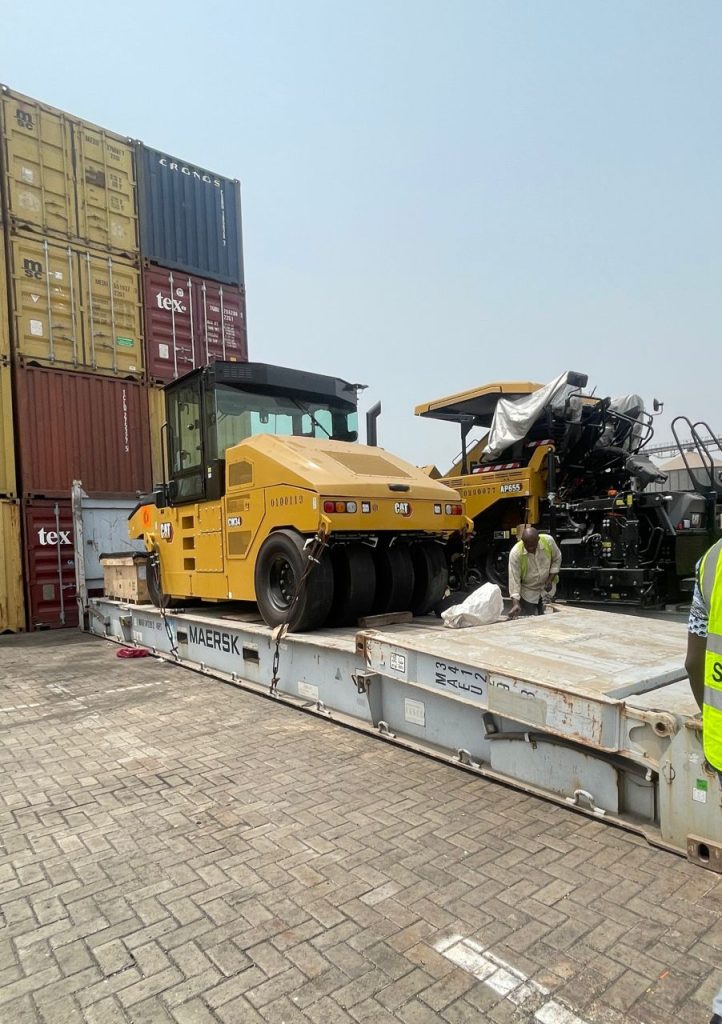
Scenario guide
A dealership importing several vehicles needs a reliable account of what has been bought, what is ready to ship and which branch will receive each unit. Fleet shipping should follow that stock position. Treating the purchase as one undifferentiated consignment makes substitutions, partial arrivals and receiving constraints harder to reconcile.
Reconcile the purchase list with supplier release dates
Keep a vehicle register containing the identification, supplier, model and confirmed readiness of each unit. Separate vehicles awaiting documents or preparation from those available for collection. Update the register when a supplier substitutes a unit so the shipment request matches the vehicles the dealership has actually agreed to receive.
Use the same unit identifiers in purchasing, shipping and dealership receipt records. This gives staff a way to investigate a missing or unexpected vehicle without relying on a batch total that can conceal the difference.
Plan batches around confirmed vehicle readiness
If one supplier is ready and another is waiting for documents, compare a split shipment with holding the group together. Ask for the cost and handling implications of each proposal. Record the selected batch composition so a later readiness change does not silently alter the dealership’s expected stock.
Check the receiving branch before allocating deliveries
A branch may have room for only part of the incoming fleet or may need vehicles in a particular sales order. Allocate units to named receiving locations and confirm who can accept them. Match delivery instructions with the dealership’s capacity rather than assuming every released vehicle should arrive at the same premises.
Record condition and identity at dealership receipt
Prepare a receipt record for each vehicle, including its identity and any condition issue needing follow-up. Agree how discrepancies will be reported and who will reconcile them with the shipment records. This separates a missing unit, a substituted unit and a condition query instead of combining them into one unresolved delivery note.
Prevent stock discrepancies across partial arrivals
- Do not mark a whole purchase batch as received when only some of its identified vehicles have arrived.
- Keep changes to branch allocation visible to the party issuing the final vehicle-delivery instructions.
- Reconcile vehicles still with suppliers separately from units in transit, awaiting collection or already handed to a branch.
Scope fleet shipping from supplier to dealership
Use automotive and RoRo logistics in Ghana to discuss the fleet as an identified group of vehicles. Define the ocean movement under RoRo shipping services and any post-release deliveries under road transport services. Ask the proposal to identify the batches and receiving branches covered, so purchasing staff can reconcile the service with the stock register.
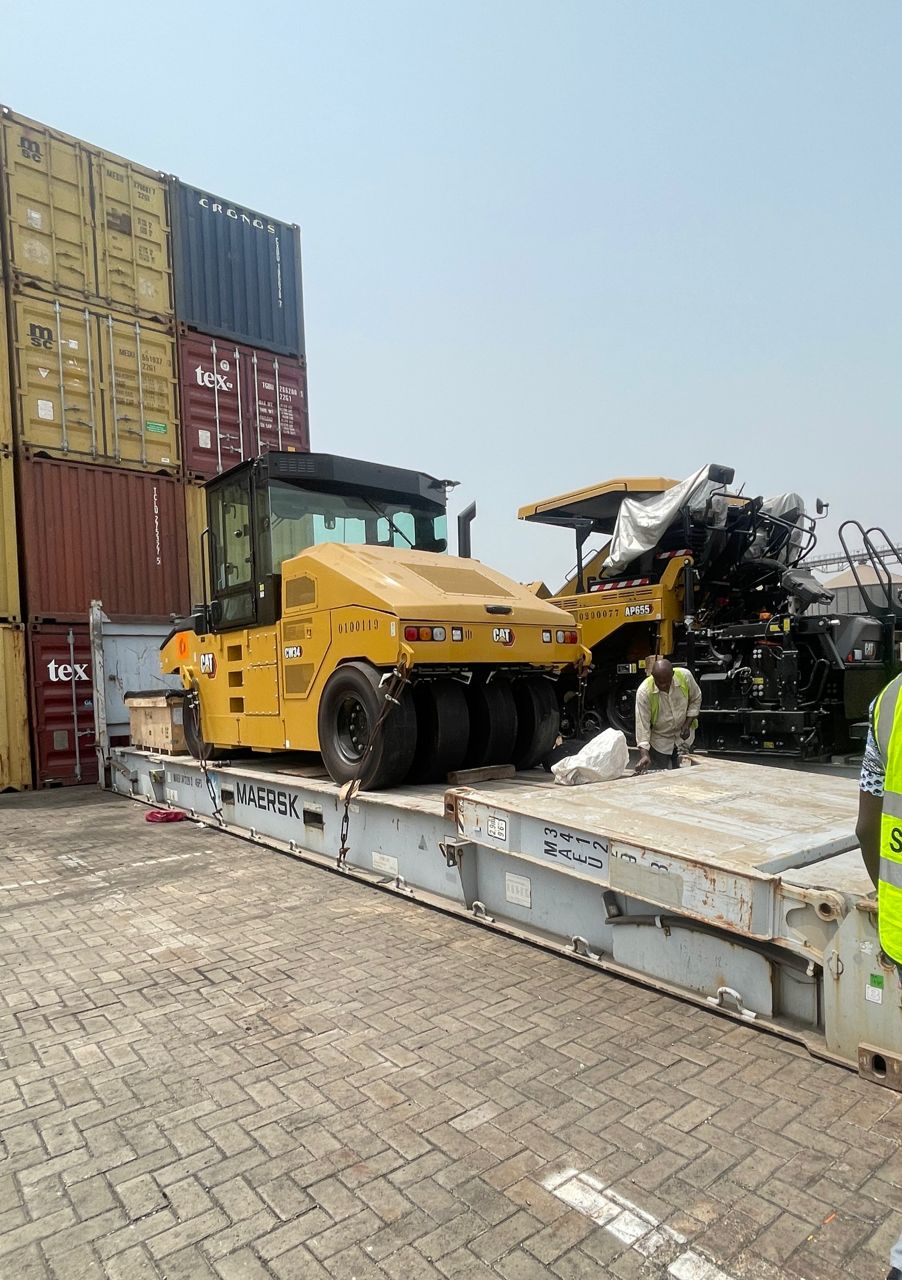
Explore Related Logistics Services
For dealership support through automotive and RoRo logistics in Ghana, share the fleet register, supplier readiness dates and dealership receiving capacity. Explain whether vehicles will arrive together or in stages so collection, stock reconciliation and onward delivery can be considered.
How should a dealership prepare a fleet shipment?
Create a vehicle list with individual identifiers, source locations and receiving priorities. Confirm which units must arrive together and whether the dealership can accept the proposed delivery sequence.
What should a dealership verify when receiving shipped vehicles?
Reconcile each unit with the vehicle list and the agreed handover records. Record missing units or condition differences separately so delivery and stock allocation use the actual vehicles received.
