

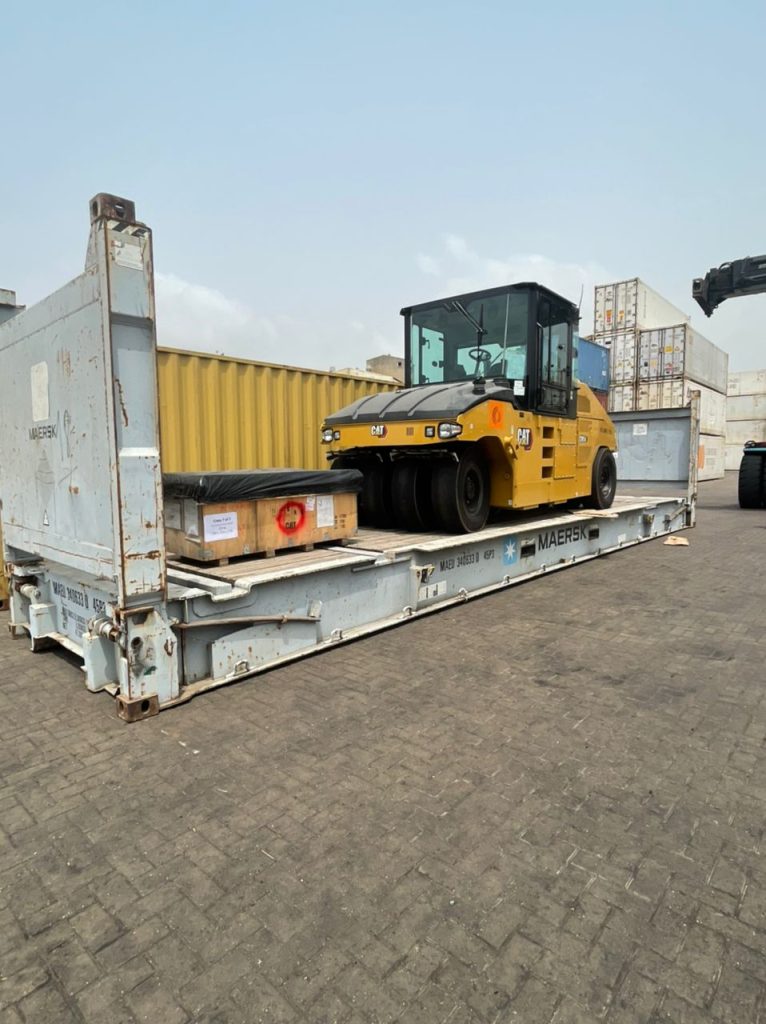
Educational guide
Heavy cargo cannot be assessed from the description of a similar machine alone. Compare the actual load and receiving conditions, with regional project context in West Africa and offshore logistics projects illustrating why different operations need different handling arrangements.
Heavy-lift mining logistics requires an assessed lifting and transport plan for the actual load. Obtain qualified review of lifting data and receiving conditions before execution.
Using verified load data for mining lifts
Heavy-lift mining cargo needs a handling plan based on the actual unit, including weight, dimensions and lifting information. Before transport is committed, the teams should review loading, unloading and site access together so that each transfer has suitable equipment and an identified responsible party.
Collect verified unit weight, dimensions and available lifting drawings, then ask the handling specialists what further information they need to assess the movement.
Lift equipment transfer teams and unloading space
Schedule loading around the availability of assessed lifting equipment and the receiving site, rather than choosing a transport date before handling is confirmed.
Supply equipment references and handling drawings alongside shipment records, and establish which transport permissions need confirmation for the proposed movement.
At each transfer, identify the team responsible for the lift and the information it must receive from the previous handler.
Have the mine team review unloading space and equipment readiness with the handling specialists before the heavy unit leaves for the final destination.
Why estimated unit data weakens the handling plan
- Sizing lifting or transport equipment from an unverified weight estimate.
- Assuming the unloading location has the same space and capacity as the loading point.
- Leaving an unresolved handling constraint for the delivery crew to discover on arrival.
Using estimated load data can undermine the handling assessment and require the plan to be revised after equipment has already been arranged.
Recording unresolved lifting and transport constraints
Look for specialist confirmation based on the actual unit and transfer locations, with unresolved lifting or transport constraints recorded explicitly.
The handling discussion for mining logistics projects in Ghana should identify the load information still awaiting specialist assessment. An enquiry about project cargo handling can then address those unresolved handling tasks. Consult the Services Hub where transport, storage or other support also needs a defined scope.
Bringing qualified specialists into a heavy unit movement
Seek qualified lifting and transport support when ordinary equipment cannot handle the unit or when the lift and inland movement require a coordinated assessment.
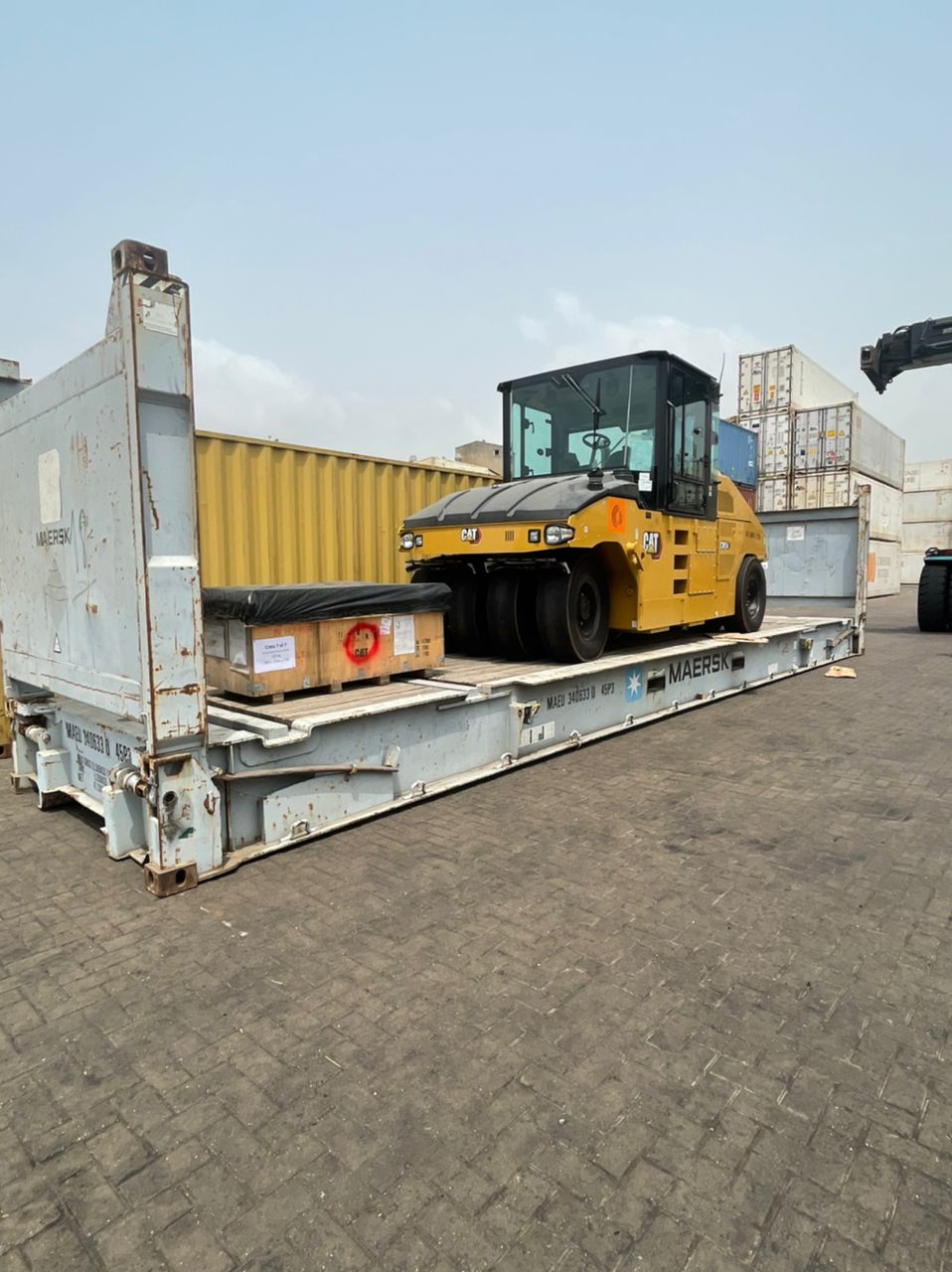
Explore Related Logistics Services
For heavy units within mining logistics projects in Ghana, send verified weights, dimensions, available lifting drawings and the proposed loading and receiving locations. Identify any missing technical information so the appropriate specialist review can be arranged before a movement is committed.
Are estimated weights sufficient for heavy-lift planning?
Use verified load data and disclose any uncertainty. The qualified handling team should confirm which measurements and lifting information it needs before assessing the operation.
Who should assess a proposed heavy-lift operation?
Use qualified handling specialists for the lifting assessment and involve the transport and receiving teams. A general freight booking does not establish that the proposed lift is suitable.
