

Key takeaways
- Incoterms are the 11 standard three-letter trade rules published by the International Chamber of Commerce that split cost and risk between buyer and seller.
- Ghana calculates import duty on the CIF value, so the term you agree on directly shapes the declared value and the duty you pay.
- FOB usually gives an importer the most control over shipping, while CIF hands freight and basic insurance to the seller.
- FOB and CIF are written for sea freight only, so using them for air cargo is one of the most common and costly mistakes.
- The right term depends on your goods, your budget and how much of the shipping process you want to manage yourself.
If you import goods into Ghana, the Incoterm on your invoice decides who pays for freight, who covers insurance and where your risk begins and ends. Get it right and your costs are predictable; get it wrong and you can face surprise charges at Tema port or a dispute with your supplier.
For importers, Incoterms are the rules that quietly set your landed cost long before your container reaches Ghana. This guide walks through what the terms mean, who pays for what, and how to pick the one that fits your shipment.
What Are Incoterms and Why Do They Matter?
Incoterms are the eleven standard three-letter trade rules published by the International Chamber of Commerce, and they define the tasks, costs and risks shared between a buyer and a seller. They are the global reference point for how goods move across borders, recognised worldwide as the common language of international trade.
The current version is Incoterms 2020. According to the U.S. International Trade Administration, the rules split into two groups: seven that work for any mode of transport, and four written for sea and inland waterway shipments only (Know Your Incoterms, U.S. International Trade Administration). That split matters more than most importers realise, and we will come back to it.
Here is the point many first-time importers miss. Incoterms decide cost and risk, but they do not decide ownership, price, payment terms or which country's law governs the contract. So a term like CIF tells you the seller pays freight to the port. It says nothing about when you legally own the goods.
Why does this matter for your business? Because the term you agree on flows straight into your paperwork, your insurance and the duty you pay. A vague quote that leaves the term unstated is a quote you cannot properly compare.
Common Incoterms: FOB, CIF, EXW and DDP
Four terms cover most of what a Ghanaian importer will meet: EXW, FOB, CIF and DDP. Each one moves the line between buyer and seller responsibility to a different place, from almost everything on you to almost everything on the supplier.
EXW (Ex Works) puts the most on the buyer. The seller simply makes the goods available at their factory or warehouse. You arrange and pay for collection, export clearance, freight, insurance and everything after. It looks cheap on paper because the price is just the goods.
FOB (Free On Board) means the seller delivers the goods loaded onto the vessel at the origin port and handles export clearance. From that moment, freight, insurance and risk are yours. FOB gives an importer strong control over the shipping leg because you choose the carrier and forwarder.
CIF (Cost, Insurance and Freight) goes further for you. The seller pays freight and a minimum level of insurance to the destination port. Risk still passes to you once the goods are loaded at origin, so the seller pays the freight but does not carry your risk across the sea.
DDP (Delivered Duty Paid) puts the most on the seller. They handle everything, including import duty and delivery to your door. It is the simplest term for a buyer, though the convenience is priced into the invoice.
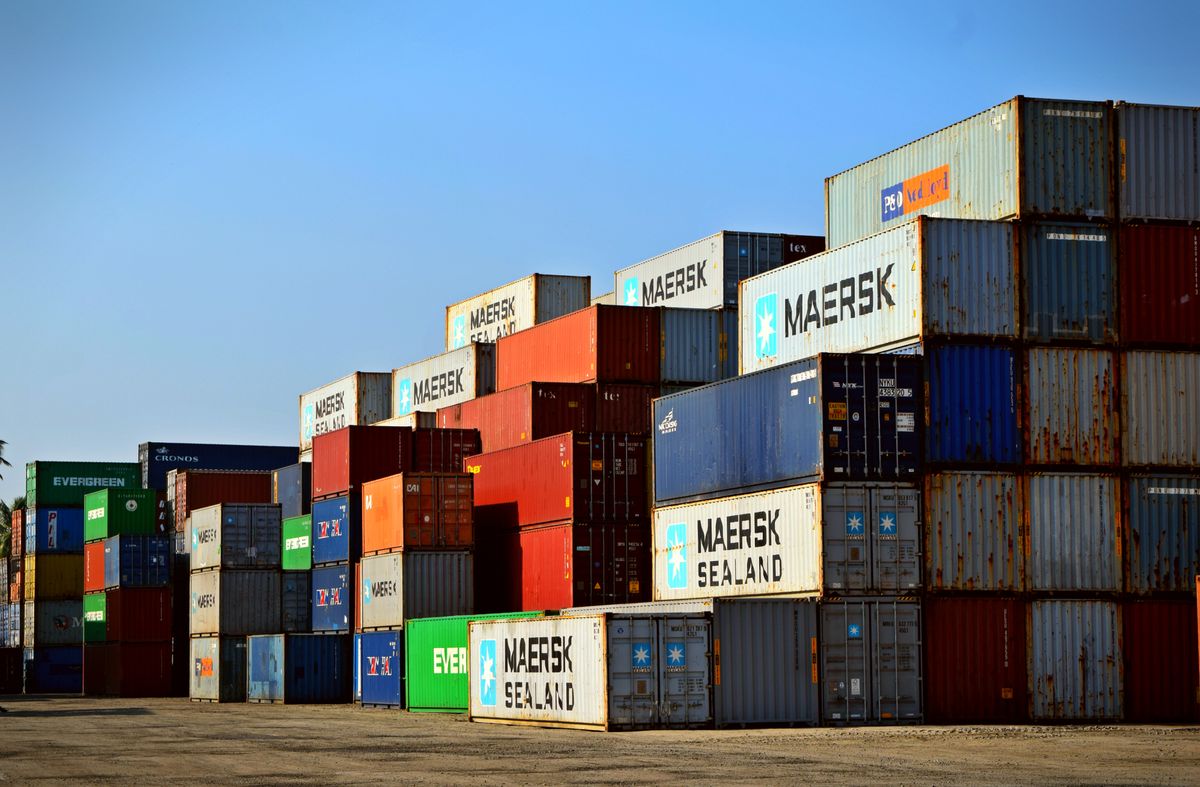
One warning ties these together. FOB and CIF are written for sea and inland waterway transport only. Using them for air or road cargo is one of the most common trade mistakes, and the ICC recommends terms such as FCA for containerised and multimodal shipments instead.
Who Pays for Freight, Duty and Insurance?
The Incoterm sets who pays for freight and insurance, but import duty in Ghana is almost always the importer's responsibility unless you agree DDP. Under most terms, the seller covers costs up to an agreed point and you pick up everything after, including clearance at Tema.
The table below shows the split at a glance for the four common terms.
| Cost item | EXW | FOB | CIF | DDP |
|---|---|---|---|---|
| Goods and export packing | Seller | Seller | Seller | Seller |
| Export clearance at origin | Buyer | Seller | Seller | Seller |
| Main freight to Ghana | Buyer | Buyer | Seller | Seller |
| Marine insurance | Buyer | Buyer | Seller (minimum) | Seller |
| Import duty and taxes in Ghana | Buyer | Buyer | Buyer | Seller |
| Delivery to your premises | Buyer | Buyer | Buyer | Seller |
Read across and a pattern appears. As you move from EXW to DDP, responsibility shifts steadily onto the seller. EXW looks cheapest but loads the work and hidden cost onto you. DDP looks effortless but bundles the seller's markup and risk premium into one number.
Insurance deserves a closer look. Under CIF the seller only has to buy minimum cover, which may not fully protect a high-value shipment. Many experienced importers arrange their own policy so the level of protection matches the goods rather than the contract minimum. If you are still deciding how to move a shipment at all, our guide on sea freight vs air freight for Ghana importers breaks down the cost and speed trade-offs.
How Do Incoterms Affect Your Landed Cost?
Your Incoterm shapes your landed cost because Ghana values imports on the CIF basis, meaning cost, insurance and freight added together. The term you choose decides which of those elements sit inside the supplier's price and which you pay separately, but they all feed the value that customs uses.
Think of landed cost as the full amount to get goods from the supplier's door to yours. It includes the price of the goods, freight, insurance, duty, port charges, clearance fees and inland transport. Change the Incoterm and you shift these items between the invoice and your own account, but the total is what really matters.
Here is why the CIF basis is so important. Whether you buy FOB or CIF, the customs value is built up to the same cost, insurance and freight figure at the border. So a low FOB price with expensive freight can land at the same duty as a higher CIF price. Comparing suppliers on the goods price alone is misleading.
A practical example makes it clear. Suppose one supplier quotes FOB and another quotes CIF for the same goods. The FOB quote looks lower, but once you add your own freight and insurance, the two may be almost level at the border. The winner is whichever gives you the lower true landed cost, not the lower headline price.
Because duty rides on the CIF value, small errors in declared freight or insurance ripple straight into what you owe. Getting the term and the figures right protects both your cash flow and your compliance.
Choosing the Right Incoterm with BJH Logistics
The right Incoterm depends on your goods, your experience and how much of the shipping process you want to manage yourself. There is no single best term, and BJH Logistics helps importers match the term to the shipment rather than defaulting to whatever the supplier prefers.
A few simple guidelines help. If you want control over freight and forwarding, FOB is often the strongest choice because you choose the carrier. If you are new to importing and want fewer moving parts, CIF hands the freight leg to the seller. If you never want to touch logistics, DDP does it all, at a price. EXW suits importers with a trusted forwarder at the origin who can manage export clearance for them.
Always name the version too. Write the term as FOB Tema Incoterms 2020, for example, so both sides read the same rulebook. The ICC's official Incoterms 2020 reference sets out exactly how each rule assigns cost and risk (Incoterms 2020, International Chamber of Commerce).
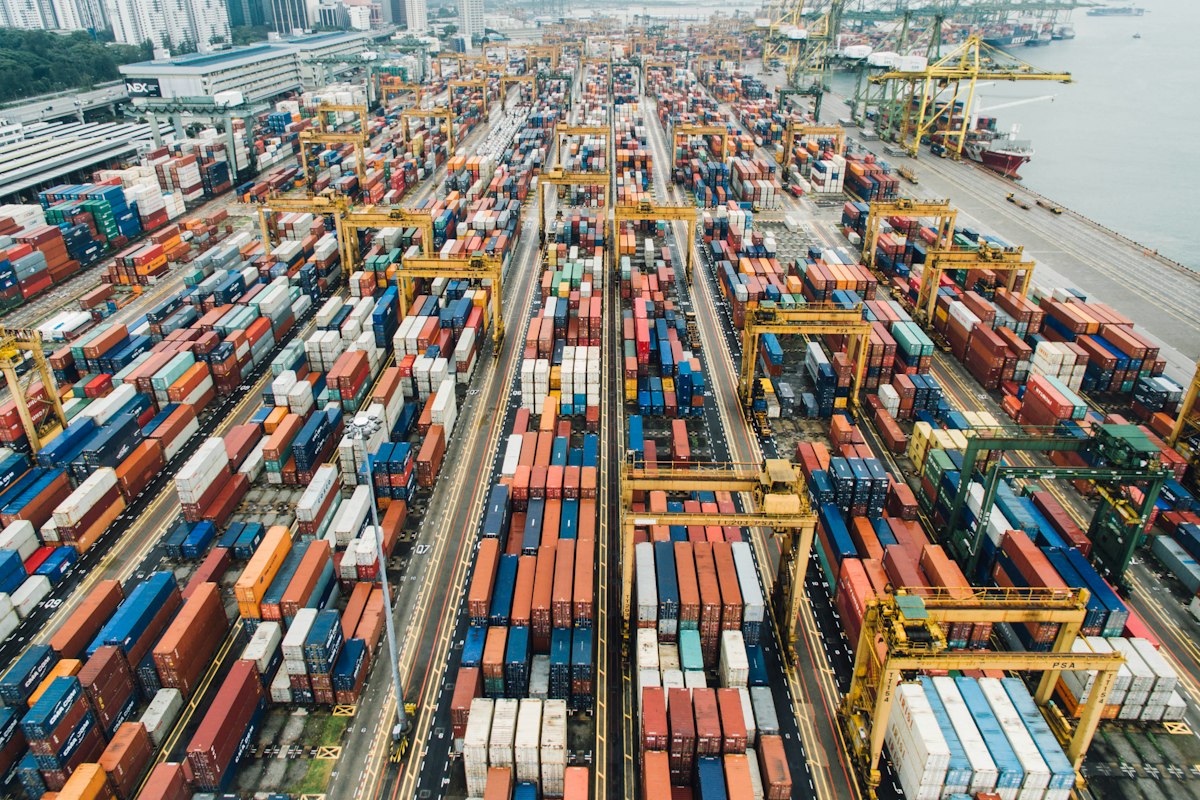
This is where a forwarder earns its fee. BJH Logistics reviews the term on your quote, models the landed cost under different terms and clears your goods at Tema, so the choice is based on real numbers rather than guesswork. If you are weighing FOB against CIF, we can quote the freight leg so you can compare like for like before you commit.
Take one concrete step before your next order. Send your supplier's quote and the stated Incoterm to BJH Logistics and ask for a landed-cost comparison across FOB, CIF and DDP. Review the three figures side by side, then confirm the term with your supplier only once you can see which one protects your margin.
Frequently asked questions
Which Incoterm is best for a first-time importer in Ghana?
Many first-time importers start with CIF because the seller arranges freight and minimum insurance to the destination port. As you gain experience, FOB often gives better control and clearer costs.
Do Incoterms decide who owns the goods?
No. Incoterms cover the split of cost and risk between buyer and seller. They do not govern ownership, price, payment terms or which country's law applies to the contract.
Why does my Incoterm affect the duty I pay in Ghana?
Ghana values imports on the CIF basis, meaning cost, insurance and freight. Terms that bundle freight into the price, such as CIF, feed directly into the value the customs system uses to calculate duty.
Can I use FOB for air freight into Accra?
FOB is written for sea and inland waterway transport, so it does not fit air cargo. For air shipments, terms such as FCA or CPT are the correct choice under the Incoterms 2020 rules.
Should I always write the year next to the Incoterm?
Yes. State the rule and the version, for example FOB Tema Incoterms 2020. This removes ambiguity because older versions assigned costs and risks differently.
