


Key takeaways
- Warehousing services in Ghana range from bonded and dry storage to cold chain and cross-docking, each suited to a different type of cargo.
- A warehouse near Tema port cuts the distance between customs clearance and storage, reducing demurrage risk and inland haulage costs.
- Good inventory management inside a warehouse gives importers real-time stock visibility and steadier distribution to customers.
- Ghana's freight and logistics market is forecast to grow at a 6.19% CAGR through 2030, the fastest rate in West Africa.
- BJH Logistics pairs warehousing with customs clearance and road transport so goods move from port to shelf under one provider.
Warehousing services in Ghana give importers and exporters a secure place to hold goods between the port and the point of sale, along with inventory control, order handling and onward distribution. For any business moving volume through Tema or Takoradi, the right storage arrangement decides whether cargo sits idle and racks up cost or flows smoothly to customers.
Ghana's trade is growing, and so is the pressure on storage. The country's freight and logistics market is forecast to expand at a 6.19% compound annual growth rate through 2030, the fastest national rate in West Africa, according to Mordor Intelligence. More cargo moving through the same ports means storage and inventory decisions matter more than they used to. This guide walks through the types of warehousing available, how they support import and export flow, the inventory and distribution gains, and what to look for when choosing a facility near Tema port.
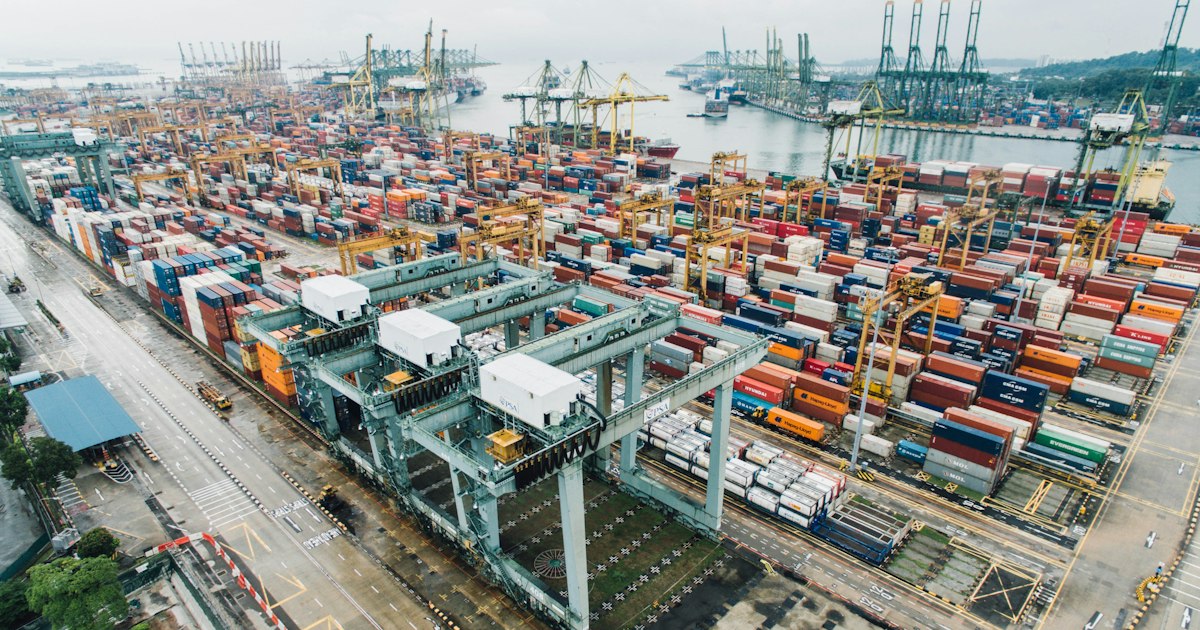
Types of warehousing services in Ghana
Not every shipment needs the same kind of storage. Choosing the wrong type ties up cash or spoils product, so it helps to know the main categories offered across the country.
- Dry (ambient) storage. General-purpose space for non-perishable goods such as electronics, textiles, packaged food and hardware. This is the most common type and usually the cheapest per square metre.
- Bonded warehousing. A customs-approved facility where imported goods sit before import duty is paid. Importers use it to defer duty until the goods are released for sale, which frees up working capital while the stock waits to move.
- Cold chain storage. Temperature-controlled space for perishables like pharmaceuticals, fresh produce and frozen goods. Cold storage costs more but protects high-value, time-sensitive cargo.
- Cross-docking. A fast-transfer setup where incoming goods move almost straight to outbound vehicles with little or no long-term storage. It suits high-turnover distribution.
Ghana's warehousing and storage market was valued at USD 99 million in 2025 and is projected to reach USD 108 million by 2032, per 6Wresearch. That steady expansion reflects rising demand for organised, professional storage rather than informal yards.
How warehousing supports import and export flow
Warehousing sits at the middle of the supply chain, between the port and the customer. When it works well, cargo keeps moving. When it does not, everything upstream and downstream stalls.
For importers, a warehouse gives cleared goods somewhere to go the moment they leave the terminal. That single step avoids one of the most expensive problems in Ghanaian trade: containers sitting at the port past their free days and accruing demurrage and rent. Getting goods off the terminal quickly depends on smooth clearance first, which is why many businesses pair storage with a clear plan for clearing goods at Tema port.
For exporters, warehousing works in reverse. Goods are consolidated, staged and packed for shipment while paperwork and vessel bookings are finalised. This staging keeps outbound cargo ready to load so it does not miss a sailing.
The volume moving through Ghana's ports shows why this matters. Tema port alone handled the large majority of the country's container traffic in 2024, and total national container traffic reached record levels that year on the back of Tema's throughput. With that much cargo passing through a single gateway, storage capacity near the port is a genuine constraint, not an afterthought.
Inventory management and distribution benefits
Storage is only half the value. The other half is knowing what you hold, where it is, and when to move it.
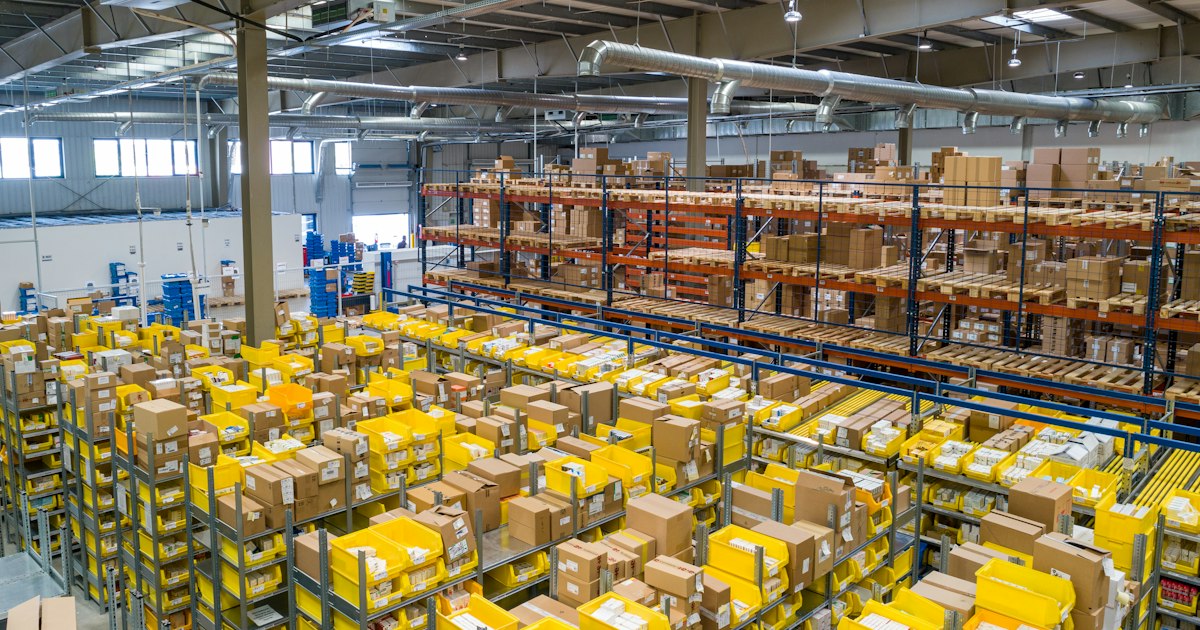
Modern warehousing in Ghana increasingly comes with inventory management built in. A provider logs every inbound and outbound movement, tracks stock levels in real time, and shares reports so you can see your position without visiting the site. This visibility delivers several practical gains:
- Fewer stockouts and less overstock. Real-time counts tell you when to reorder before you run dry, and stop you from over-buying goods that then sit idle.
- Faster order fulfilment. Organised racking and clear location codes mean pickers find goods quickly, so orders leave the warehouse sooner.
- Better distribution planning. When stock data is accurate, you can plan deliveries around demand instead of guessing.
- Lower shrinkage. Logged movements and secured storage reduce loss from theft and misplacement.
Distribution is where warehousing pays off for the customer-facing side of a business. A warehouse positioned between the port and your delivery routes becomes a hub: goods arrive in bulk, get broken into orders, and go out on the right vehicle at the right time. Businesses weighing how their storage plan fits the wider shipping picture should compare providers on location, handling capacity and integrated services before committing.
Choosing a warehouse near Tema port
Location is the single biggest lever in a warehousing decision, and for most Ghanaian importers that means proximity to Tema. Here is what to weigh up.
Distance from the terminal. Every extra kilometre between the port and your storage adds haulage cost and time. A facility near Tema shortens the trip cleared containers must make, which lowers inland transport bills and reduces the window in which something can go wrong.
Road access and traffic. A warehouse can be close in a straight line yet slow to reach if it sits behind congested routes. Check the actual drive, not just the map distance, and confirm trucks can enter and turn.
Security and condition. Look for perimeter security, fire protection, proper racking and a dry, well-maintained building. Poor conditions cost you in damaged goods later.
Customs and bonded status. If you import regularly, a facility with bonded capacity or a nearby bonded option lets you defer duty and manage cash flow.
Handling equipment. Forklifts, loading docks and trained staff decide how fast a container is unloaded. Slow handling keeps trucks waiting and pushes up cost.
Integrated services. The strongest arrangement is one where clearance, transport and storage sit under one roof, so goods do not stall at the handovers between separate providers.
BJH warehousing and storage solutions
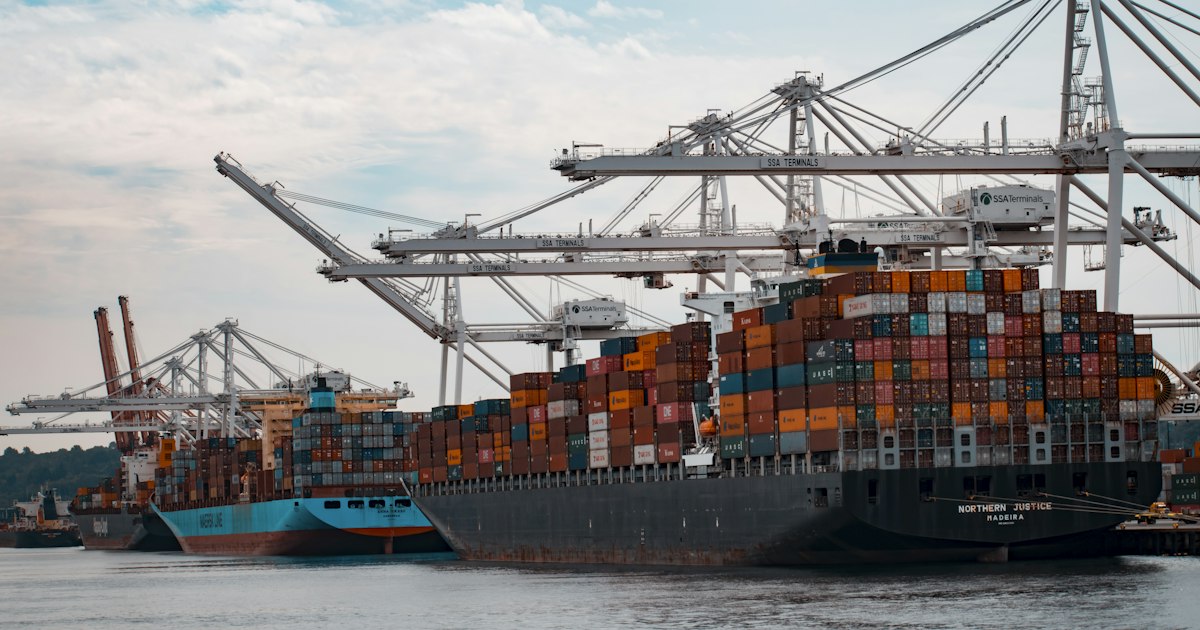
BJH Logistics provides warehousing and storage in Ghana as part of a full freight and logistics service, which means goods do not have to change hands between separate companies on their way from ship to shelf. Because BJH also handles freight forwarding, customs clearance and road transport, a container can be cleared, moved off the terminal and into storage under a single coordinated plan.
That coordination is the practical benefit. When the same provider clears your goods and stores them, there is no gap where cargo waits for one party to finish before another begins. It also gives you a single point of contact for the whole journey, so you always know where your goods are.
For businesses new to structured shipping, it helps to understand the role a coordinating partner plays in tying forwarding, clearance and storage together into one plan rather than a series of disconnected steps.
If you import or export through Tema and want storage that connects cleanly to clearance and transport, the next step is simple: map your typical monthly volume and the type of goods you move, then talk to a provider who can match storage type, location and handling to that profile. Getting those three right at the start is what keeps cargo flowing and cost under control for the long run.
Frequently asked questions
What warehousing services are available in Ghana?
Ghana offers dry (ambient) storage, bonded warehousing for goods awaiting duty payment, cold chain storage for perishables, and cross-docking for fast transfer. Many providers also bundle inventory management and distribution.
Why choose a warehouse near Tema port?
A warehouse close to Tema port shortens the trip between customs clearance and storage. That lowers inland transport costs, reduces demurrage exposure, and gets cleared goods off the terminal faster.
What is a bonded warehouse in Ghana?
A bonded warehouse is a customs-approved facility where imported goods can be stored before import duties are paid. It lets importers defer duty until the goods are actually released for sale.
Can a warehouse handle inventory management for my business?
Yes. Modern warehousing providers track stock levels, log inbound and outbound movements, and share real-time reports so you know exactly what you hold and when to reorder.
