

Key takeaways
- To clear goods at Tema Port you file a declaration in ICUMS, pay the assessed duties and taxes, pass examination, then take release to the gate.
- Prepare your Bill of Lading, attested commercial invoice, packing list, Import Declaration Form, TIN or GhanaCard PIN, and a bank Letter of Commitment before the vessel arrives.
- Import duty is charged on the CIF value using ECOWAS Common External Tariff bands, then VAT and statutory levies are added.
- Examination is risk based: a red channel means physical inspection, yellow a scan, and green a straight release.
- A licensed clearing agent such as BJH Logistics files the ICUMS declaration, manages payments and coordinates examination on your behalf.
To clear goods at Tema Port, you submit a customs declaration through the ICUMS single window, pay the assessed duties and taxes, pass an examination check, then move your cargo through the release gate. The whole process runs on documents you should assemble before the vessel even berths, because a missing paper is the most common reason a container sits at the terminal accruing charges.
This guide walks through each stage in order so you know what to prepare, who you deal with, what it costs and how long it takes.
Overview of how to clear goods at Tema Port
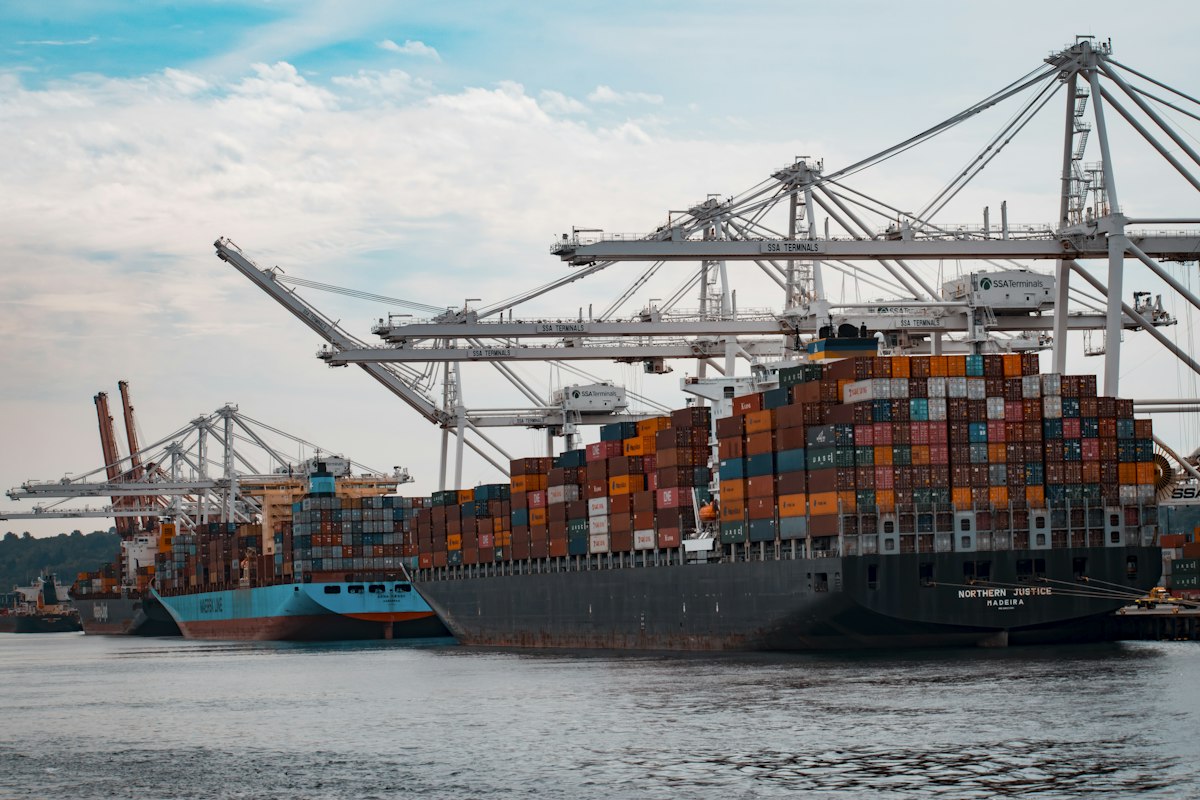
Tema Port is Ghana's largest seaport and the entry point for most of the country's containerised imports. When your goods arrive, they cannot leave the terminal until customs has assessed them and duties have been paid. Every step now flows through the Integrated Customs Management System, known as ICUMS, which is Ghana's electronic single window for trade.
At a high level, clearance follows five stages:
- You or your agent lodge an electronic declaration in ICUMS with the shipping and commercial documents attached.
- Customs classifies the goods, values them and calculates the duties and taxes owed.
- You pay the assessed amount at a participating bank.
- The goods are routed to an examination channel based on risk.
- Once cleared, you receive release and move the cargo to the exit gate.
The Ghana Revenue Authority (GRA) Customs Division owns the assessment and release decisions. The Ghana Ports and Harbours Authority (GPHA) and the terminal operator handle the physical movement, storage and gate control. Understanding who does what saves time when a query comes up, because you know which desk to approach.
Because ICUMS is a single electronic window, most of the process happens online rather than at a counter. Your declaration, the supporting documents, the duty assessment and the release note all live in one system, which reduces the running around that used to define port clearance. The trade off is that the data you enter must be exact, since the system flags mismatches automatically and routes questionable entries for closer inspection.
Documents you must prepare
Paperwork is where clearance is won or lost. Assemble these before arrival so your agent can file the moment the manifest is available:
- Original Bill of Lading or Airway Bill. This is your title to the cargo and the reference customs works from.
- Attested commercial invoice. It must show the true transaction value, since duty is calculated from it.
- Packing list. Detailing contents, weights and quantities per package.
- Import Declaration Form (IDF). Obtained through the Ministry of Trade process.
- Taxpayer Identification Number (TIN) or GhanaCard PIN. No declaration proceeds without a valid identifier.
- Letter of Commitment (LOC). Issued by your authorised bank, with the LOC number captured in ICUMS.
- Regulatory permits where they apply. Food, drugs and cosmetics need Food and Drugs Authority approval, and many products need a Ghana Standards Authority permit.
Accuracy matters as much as completeness. If the invoice value, the packing list and the Bill of Lading disagree, customs will query the entry and your goods wait. Consistent figures across every document keep the declaration moving.
Working with GRA and the port authorities
The declaration is submitted in ICUMS, where GRA Customs classifies your goods under the Harmonised System, confirms the valuation and generates the assessment. Getting the classification right is important, because the tariff heading decides the duty rate that applies.
After payment, customs assigns your consignment to an examination channel using a risk based colour code:
- Red means a mandatory physical examination of the goods.
- Yellow means a documentary or scan check.
- Green means the consignment proceeds straight to release.
A clean history and accurate paperwork improve your chances of a lighter channel. Where a physical examination is required, you or your agent must be present so the process is not held up. Customs may also raise a query on valuation or classification, and answering it quickly with supporting evidence keeps the entry alive rather than letting it stall.
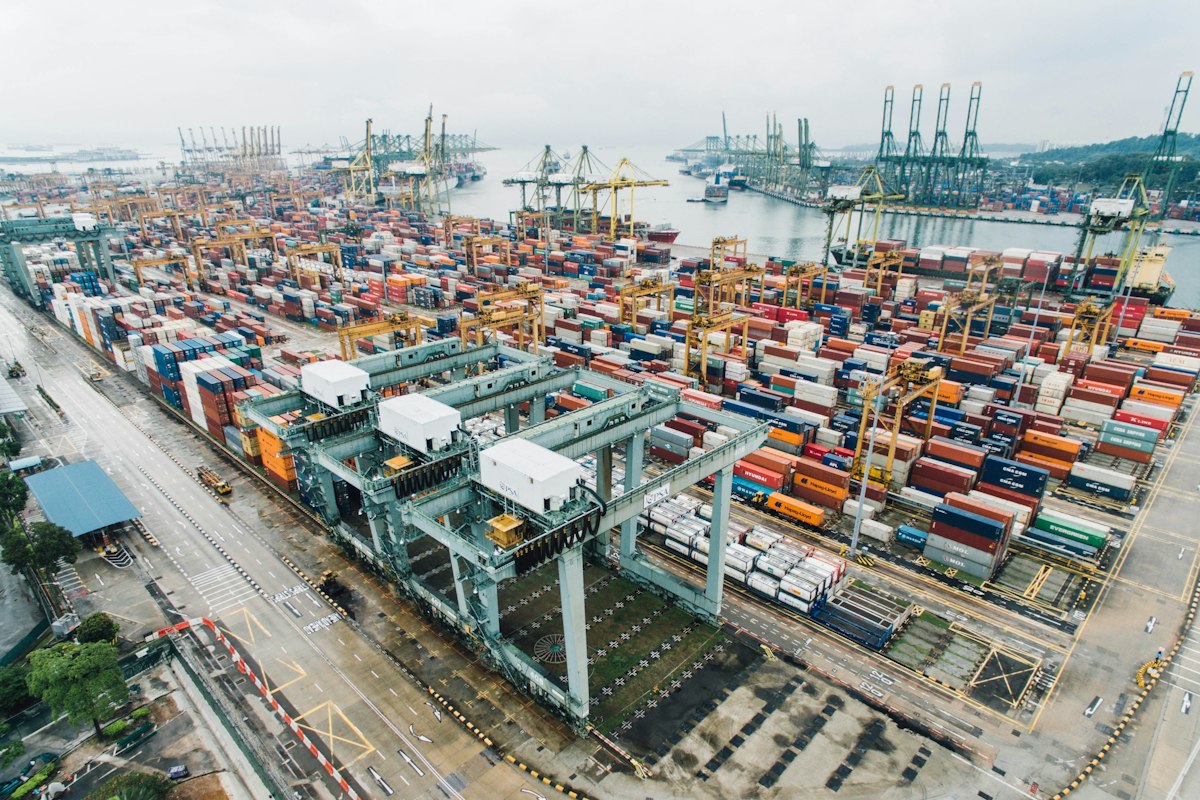
Alongside GRA, the terminal operator and GPHA control the yard and the gate, so terminal handling and any rent charges are settled with them before the cargo can leave. Coordinating these two tracks, the customs assessment on one side and the terminal charges on the other, is where an experienced clearer earns their keep. For a fuller walkthrough of the regulatory side, see our complete guide to customs clearance in Ghana.
Timeline and fees to expect
Two questions dominate every importer's mind: how long will it take, and what will it cost.
On timing, be realistic. A World Bank assessment of Ghana found that import clearance takes an average of nearly 23 working days, while export clearance is much quicker at around nine days, according to reporting on the World Bank B-READY findings. Your own timeline can be far shorter than that average when documents are ready in advance and the consignment lands in a green channel, but the figure is a useful reminder that delays are common and early preparation pays off. Every extra day a container sits in the yard risks demurrage and storage charges, so the days you save on clearance translate directly into money kept in your pocket.
On cost, expect several layers of charges:
- Import duty, calculated on the CIF value of your goods using the ECOWAS Common External Tariff bands.
- VAT and statutory levies, applied on top of the duty base.
- Terminal handling charges, payable to the terminal operator.
- Storage or demurrage, which accrues the longer your container stays, and is exactly what fast clearance avoids.
- Clearing agent fees, if you use a licensed agent.
Because duty is anchored to the declared CIF value, an accurate invoice protects you from valuation disputes that both raise your bill and stall the goods. If sea freight is part of your import chain, our overview of sea freight services in Ghana and their costs and times explains how shipping choices feed into landed cost.
How BJH Logistics handles clearance for importers
For importers who would rather not learn ICUMS, valuation rules and examination scheduling firsthand, BJH Logistics acts as your licensed clearing agent at Tema Port. We prepare and file the electronic declaration, confirm the tariff classification, manage the duty payment and coordinate examination so your consignment moves through each channel without avoidable holds.
The practical value is in the details we handle daily: catching a mismatch between an invoice and a packing list before customs does, arranging the right regulatory permit before it becomes a bottleneck, and settling terminal charges promptly so storage does not pile up. That coordination is what turns a stressful clearance into a predictable one.
If you have a shipment arriving soon, gather your Bill of Lading, invoice, packing list and import documents now, then send them to BJH Logistics for a review before the vessel berths. Getting the paperwork checked ahead of arrival is the single most effective step you can take to clear your goods at Tema Port quickly.
Frequently asked questions
What documents do I need to clear goods at Tema Port?
You need the original Bill of Lading, an attested commercial invoice, a packing list, an Import Declaration Form, your TIN or GhanaCard PIN, and a bank Letter of Commitment. Regulated goods also need permits from bodies such as the FDA or the Ghana Standards Authority.
How long does clearance at Tema Port take?
It varies with your paperwork and examination channel. A World Bank assessment found import clearance in Ghana averages nearly 23 working days, so early document preparation matters.
How is import duty calculated at Tema Port?
Duty is charged on the CIF value of your goods using ECOWAS Common External Tariff bands. VAT and statutory levies are then added on top before the goods are released.
Do I need a clearing agent to clear goods at Tema Port?
You can self clear, but most importers use a licensed clearing agent because the ICUMS declaration, valuation and examination steps move faster with experienced handling.
What is ICUMS?
ICUMS is the Integrated Customs Management System, Ghana's single electronic window where declarations are submitted, valued, assessed for duty and processed for release.
