


Key takeaways
- A freight forwarder arranges transport, documentation and customs so importers and exporters do not have to manage each carrier and agency directly.
- A capable Ghana forwarder should cover sea and air freight, customs clearance, warehousing, road transport and cargo insurance under one roof.
- Clearance in Ghana averages around 14 days, so a forwarder who prepares documents early and knows Tema procedures saves real money.
- Watch for forwarders with no physical office, vague quotes, poor communication or no valid licence and insurance.
A freight forwarder is the company that moves your cargo from a supplier abroad to your warehouse in Ghana, handling the booking, paperwork and customs along the way. If you are comparing freight forwarders in Ghana right now, the question is less about what they do and more about which one will get your shipment cleared without surprise charges or delays. This guide breaks down the services you should expect, how forwarders tie together sea, air and customs, and the warning signs that separate a reliable partner from an expensive mistake.
The Role of Freight Forwarders for Importers and Exporters
A freight forwarder does not usually own the ships, planes or trucks. Instead, it acts as the organiser that connects you to the carriers, ports, customs authorities and inland transport that move your goods. Think of the forwarder as your single point of contact for a process that would otherwise mean dealing with a dozen separate parties.
For an importer bringing goods into Tema, that means the forwarder books the ocean or air space, receives the cargo at origin, prepares the bill of lading and commercial documents, and manages clearance once the shipment lands. For an exporter shipping cocoa, timber or manufactured goods out of Ghana, the forwarder handles the reverse: export documentation, carrier booking and delivery to the destination port.
Trade volumes make this coordination worth getting right. Ghana recorded a merchandise trade surplus of roughly US$4,980 million in 2024, with exports well ahead of imports, according to UNCTAD's country profile for Ghana. Behind those numbers are thousands of individual shipments, each depending on someone to move it correctly and on time.
The value a forwarder adds is time and risk reduction. A business that tries to arrange freight and clearance itself often loses days to missing paperwork, incorrect tariff classifications or missed vessel cut-offs. A forwarder who does this daily knows the sequence and the people involved.
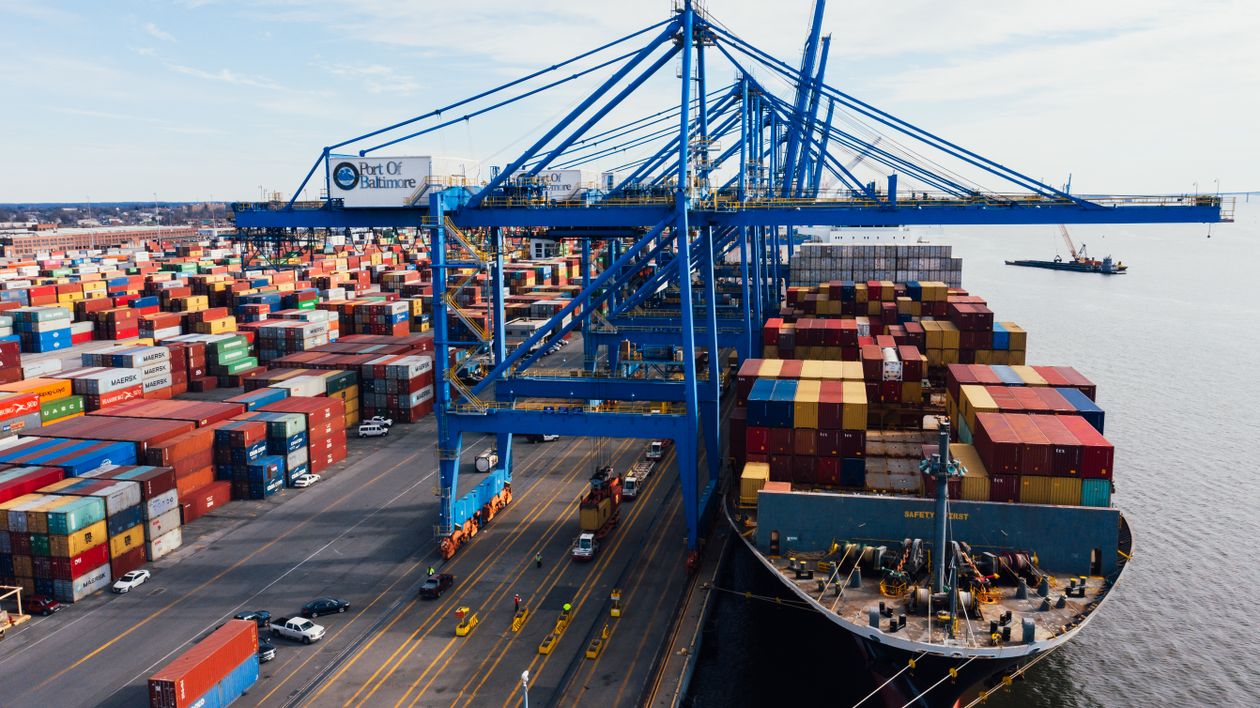
Services a Ghana Freight Forwarder Should Provide
Not every company that calls itself a forwarder offers the full range of services. When you are choosing among freight forwarders in Ghana, look for a provider that can handle the whole journey rather than one segment of it. A complete service list should include:
- Sea freight. Full container load (FCL) and less than container load (LCL) options for cost-sensitive cargo that is not time-critical.
- Air freight. Faster movement for urgent, high-value or perishable goods where a few days matter more than the higher rate.
- Customs clearance. Preparation and submission of import and export declarations through Ghana's electronic customs system, plus payment of duties and taxes on your behalf.
- Warehousing. Secure storage near the port for goods awaiting clearance, consolidation or onward delivery.
- Road transport. Inland haulage from Tema or Kotoka to your premises anywhere in the country.
- Cargo insurance. Cover against loss or damage in transit, which is easy to overlook until something goes wrong.
A forwarder that offers all of these can move your cargo end to end without handing it off to third parties at every stage. BJH Logistics is built around exactly this model, combining sea and air freight, customs clearance, warehousing and road transport so importers and exporters deal with one team from origin to delivery.
If you want a deeper look at how ocean shipping pricing and transit times work in practice, our guide to sea freight services in Ghana covers costs, timelines and practical tips.
How Forwarders Coordinate Sea, Air and Customs
The real skill of a forwarder shows in how the pieces fit together. A single shipment often touches ocean or air carriers, port terminals, customs, and inland transport, and each handoff is a chance for delay if it is not managed.
Booking and origin handling
It starts before the cargo leaves the supplier. The forwarder books space with a shipping line or airline, arranges collection from the seller, and confirms that the goods match the documents. For sea freight this means matching the container to the vessel schedule; for air freight it means meeting tighter cut-off windows at the origin airport.
Documentation
Paperwork is where most shipments succeed or stall. The forwarder prepares or checks the bill of lading or air waybill, commercial invoice, packing list and any permits the goods require. Errors here, such as an incorrect tariff code or a mismatch between the invoice value and the declaration, are a common cause of customs holds.
Customs clearance
Once cargo arrives, the forwarder lodges the customs declaration and works through valuation, duty assessment and any inspections. Speed here matters financially. The World Bank's 2024 assessment estimates an average of 14 days for imported goods to clear the border in Ghana, and it puts the cost of complying with all import requirements at 23 percent of the value of the goods, as summarised in the U.S. International Trade Administration's Ghana customs guide. A forwarder who prepares documents early and understands the port's procedures can keep your shipment at the shorter end of that range and avoid demurrage charges that build up while a container sits.
If you want to understand the clearance process step by step, our walkthrough on how to clear goods at Tema Port explains what happens at each stage.
Delivery
After release, the forwarder arranges road transport to your premises or to a warehouse for storage and consolidation. A forwarder with its own trucking and warehousing keeps this final leg under control rather than depending on a subcontractor's availability.
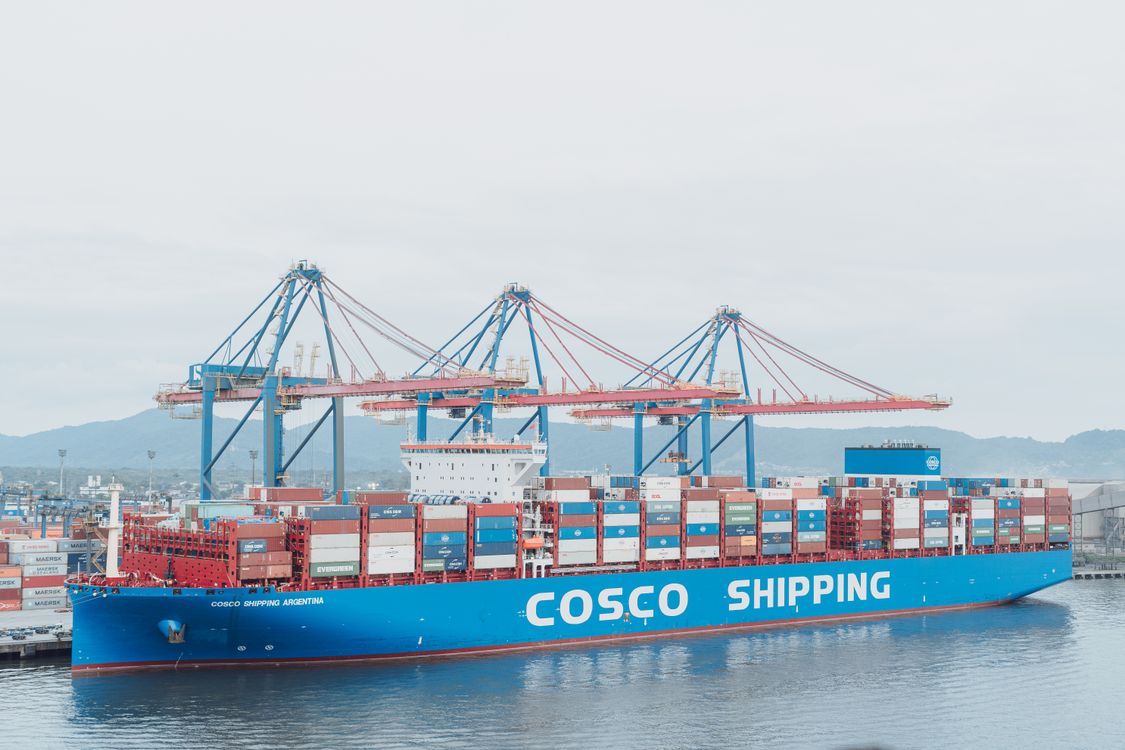
Red Flags When Choosing a Forwarder
Ghana's freight market has capable operators and it also has middlemen who take a deposit and disappear or add charges that were never quoted. A few warning signs are worth taking seriously before you hand over cargo or money.
- No physical office or verifiable address. A serious forwarder has premises you can visit and staff you can meet. Be cautious with an operation that exists only on a phone number.
- Vague or verbal quotes. Prices should come in writing, itemised so you can see freight, port charges, duties and the service fee separately. A single lump sum with no breakdown makes it easy to hide markups.
- No licence or customs registration. Customs clearance requires proper authorisation. Ask whether the forwarder is registered to lodge declarations and confirm it.
- Poor or slow communication. If a company is hard to reach while it is trying to win your business, it will be harder to reach when your container is stuck at the port.
- No cargo insurance offered. A forwarder that never mentions insurance is leaving you exposed to the full cost of loss or damage.
- Pressure to pay everything upfront. Reasonable deposits are normal, but demands for full payment before any service is performed are a common sign of a scam.
Comparing providers on these points is far more useful than comparing headline prices alone. For a structured way to weigh your options, our guide on choosing the best shipping company in Ghana lays out the criteria that matter.
Why Businesses Trust BJH Logistics
BJH Logistics works with importers, exporters and businesses across Ghana that need their cargo handled without the guesswork. The reason clients stay is straightforward: one team covers the whole chain.
Sea and air freight, customs clearance, warehousing and road transport all sit under the same roof, so there is a single point of accountability from the moment cargo is booked at origin to the day it reaches your premises. Documentation is prepared with the port's procedures in mind, which keeps clearance moving and helps avoid the demurrage costs that pile up when a container waits. Quotes are itemised, so you can see what you are paying for, and communication stays open through every stage of the shipment.
That combination matters most when something unexpected happens: a vessel delay, a customs query, an inspection. Having one experienced team that already holds all the details of your shipment is what turns a potential crisis into a phone call.
Choosing Your Next Forwarder
Start by asking any forwarder you are considering for a written, itemised quote and proof of their customs registration and physical office. Match their service list against the full chain your cargo needs, from booking at origin to delivery in Ghana, and confirm they handle clearance in-house rather than passing it on. If you are ready to move a shipment or want an honest quote for an upcoming import or export, contact BJH Logistics to talk through your route and get the paperwork started early, before your cargo is on the water.
Frequently asked questions
What does a freight forwarder do in Ghana?
A freight forwarder books cargo space, prepares shipping and customs documents, coordinates carriers and clears goods through Ghana Customs, acting as the single point of contact between an importer or exporter and every party in the supply chain.
How much does a freight forwarder cost in Ghana?
Costs depend on the shipping mode, cargo volume, route and clearance work involved. Ask for an itemised quote that separates freight, port charges, duties and the forwarder's own service fee so you can compare providers fairly.
Do I need a freight forwarder to import into Ghana?
You are not legally required to use one, but most importers do because the forwarder handles customs documentation, port procedures and carrier bookings that are difficult to manage alone.
How long does customs clearance take in Ghana?
The World Bank estimates an average of 14 days for imported goods to clear the border, though a well-prepared forwarder who submits documents early can often shorten that timeline.
