

Key takeaways
- Match your cargo type to the right mode: sea freight for heavy, bulky or non-urgent loads, air freight for high-value or time-sensitive goods.
- Correct packing, labeling and documentation are the main causes of cargo delays and rejected shipments at customs.
- Choose a container size and freight option (FCL, LCL or air) based on volume, weight and how fast you need delivery.
- Cargo insurance protects against loss and damage that a carrier's limited liability will not cover.
- Booking through a freight forwarder like BJH Logistics consolidates packing advice, documentation, customs and transport into one point of contact.
Preparing cargo for shipping comes down to three things: pack it so it survives the journey, document it so customs clears it, and match it to the right freight mode so you do not overpay or wait too long. Get those right and your shipment moves cleanly from origin to destination. Get them wrong and you face delays, extra charges, or goods stuck at the port.
This guide walks through how to prepare and book cargo for shipping, whether you send it by sea or air. It covers cargo types, packing and paperwork, container and freight choices, insurance, and how to book a shipment through BJH Logistics in Ghana.
Volumes moving through Ghana show why this matters. The Port of Tema handled 1,668,688 TEUs (twenty-foot equivalent units) in 2024, and Tema accounts for more than 95% of the country's container traffic, according to figures from the Ghana Ports and Harbours Authority reported by Citi Newsroom. That volume means well-prepared cargo clears faster and poorly prepared cargo waits in line.
Types of Cargo for Shipping by Sea and Air
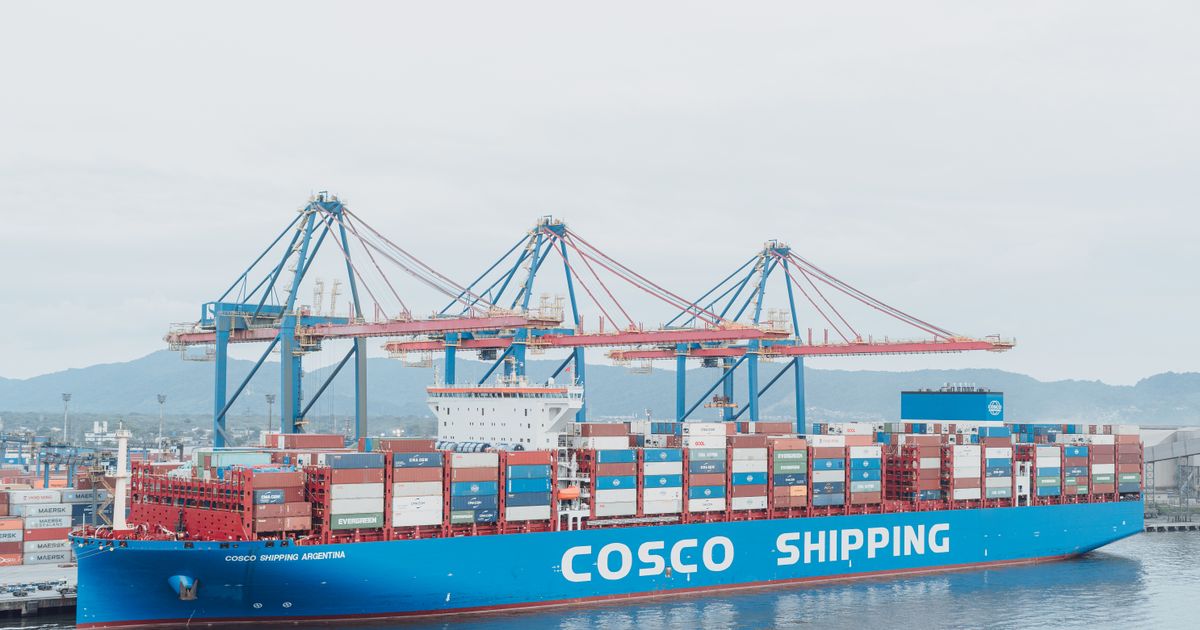
Cargo falls into a few broad categories, and each one shapes how you pack, price and book it.
General cargo covers most manufactured goods: electronics, clothing, machinery parts, packaged food. It usually travels in standard containers or on pallets and is the most common type importers and exporters handle.
Bulk cargo moves loose or unpackaged, such as grain, cement, or minerals. It needs specialised handling and vessels rather than standard containers.
Break-bulk cargo is oversized or heavy freight that will not fit a standard container, like industrial equipment or vehicles. It is loaded piece by piece.
Refrigerated (reefer) cargo includes perishables like fresh produce, fish and pharmaceuticals that need temperature control throughout transit.
Dangerous goods cover hazardous materials such as chemicals, batteries and flammables. These carry strict packing, labeling and declaration rules under international regulations.
Sea versus air by cargo type
Sea freight suits heavy, bulky or non-urgent cargo where cost per kilogram matters more than speed. Air freight suits high-value, low-weight or time-sensitive goods where a few days of transit outweighs the higher price. Many Ghanaian importers split shipments, sending bulk stock by sea and urgent restocks by air. For a full comparison of cost and transit time, see our guide on sea freight vs air freight for Ghana importers, which breaks down when each mode pays off.
Packing, Labeling and Documentation Basics
Packing and paperwork are where most cargo problems start. Poor cargo packing practices, including overloading, inadequate securing and incorrect declarations, are estimated to cost the global transport industry more than US$6 billion each year, according to the IMO/ILO/UNECE Code of Practice for Packing of Cargo Transport Units (the CTU Code).
Packing your cargo
Pack for the journey, not the shelf. Sea cargo faces vibration, humidity and stacking pressure over weeks at sea. Air cargo is handled repeatedly and moves fast between temperature zones.
- Use strong outer packaging rated for the weight inside.
- Distribute weight evenly and keep the load balanced. The CTU Code recommends keeping the center of gravity within about 5% of the container center.
- Cushion fragile items and fill void space so contents do not shift.
- Palletise where possible so forklifts can handle loads without opening cartons.
- Weatherproof against moisture with liners or shrink wrap for sea freight.
Labeling
Every package needs clear, durable labels showing the consignee, destination, handling instructions and any hazard symbols. Fragile, this-way-up and temperature markings reduce mishandling. Dangerous goods require specific labels and placards that match the declared classification.
Documentation
Missing or inconsistent paperwork is a leading cause of held shipments. The core documents are:
- Commercial invoice stating goods, values and terms of sale.
- Packing list detailing contents, weights and dimensions per package.
- Bill of lading (sea) or air waybill (air), the transport contract and receipt.
- Certificate of origin and any permits, licences or product certificates your goods require.
Values and descriptions must match across every document, because customs cross-checks them, and inconsistencies between the invoice, packing list and transport document are a common reason cargo is held.
Choosing the Right Container or Freight Option
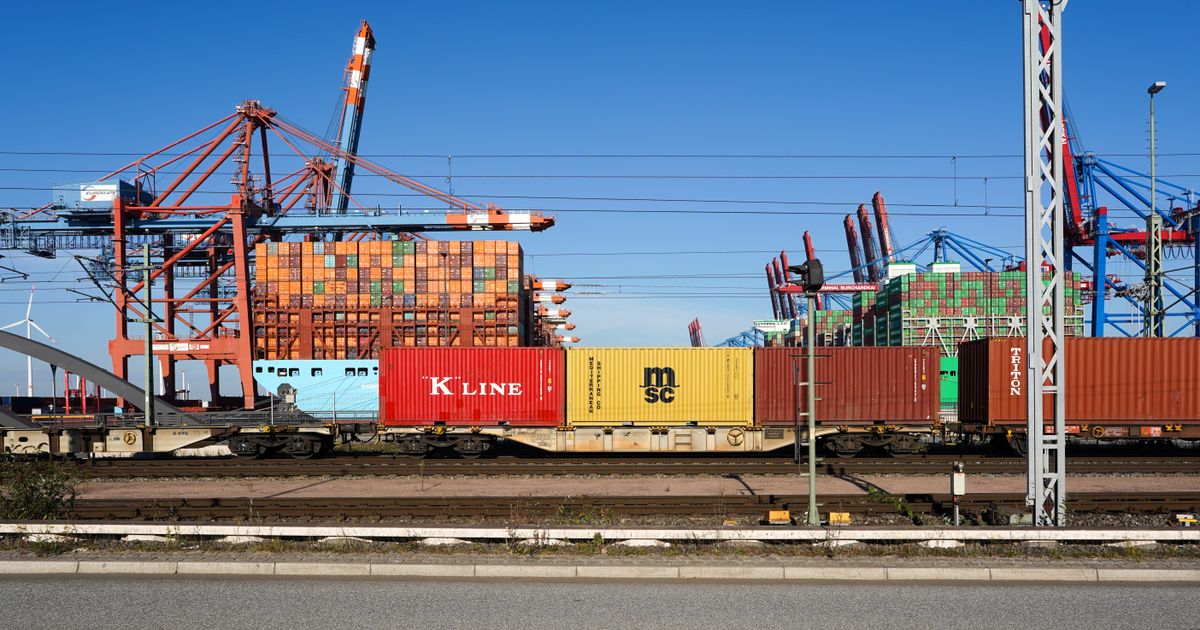
The right option depends on how much you ship, how heavy it is, and how fast you need it.
Full Container Load (FCL)
You book an entire container for your cargo alone. FCL makes sense when you have enough volume to fill or nearly fill a container, or when you want your goods sealed and handled separately. Standard sizes are 20-foot and 40-foot containers, with high-cube and reefer variants for tall or temperature-controlled loads.
Less than Container Load (LCL)
Your cargo shares a container with other shippers, and you pay only for the space you use. LCL suits smaller shipments that do not justify a full container. The trade-off is extra handling at consolidation and deconsolidation points, which can add a little transit time.
Air freight
Air is priced on chargeable weight, whichever is greater between actual and volumetric weight. It is the option for urgent, perishable or high-value cargo where speed justifies the cost.
Choosing between these is exactly the kind of call a freight forwarder helps with, matching your cargo to the most cost-effective route and container size rather than defaulting to whatever is quoted first.
Insurance and Handling Considerations
Carriers carry limited liability. If your cargo is lost or damaged, the compensation set by shipping conventions is usually far below the actual value of the goods. That gap is what cargo insurance fills.
Why insure
- Carrier liability is capped by weight or package, not by what your goods are worth.
- Marine and air cargo insurance covers loss, damage and often general average contributions.
- For high-value or irreplaceable cargo, insurance is a basic cost of doing business, not an optional extra.
Handling considerations
- Declare dangerous goods accurately. Misdeclaration is dangerous and can lead to fines, rejected cargo and liability.
- Confirm reefer settings and monitoring for temperature-sensitive loads before departure.
- Plan for last-mile handling, including who unloads at destination and how oversized items will be moved.
- Keep an inventory and photograph valuable cargo before sealing, which supports any future claim.
Well-prepared cargo also spends less time in storage, which keeps warehousing and demurrage costs down if goods need holding before or after transit.
Booking Cargo Shipping With BJH Logistics
Booking a shipment is simpler when one team handles packing advice, documentation, freight and customs together. That is the model BJH Logistics runs on for importers and exporters in Ghana.
Here is how a booking typically works:
- Share your cargo details. Provide the goods, weight, dimensions, origin, destination and your timeline.
- Get the right freight option. BJH advises on sea or air, and FCL, LCL or air based on your volume and deadline, then quotes accordingly.
- Prepare packing and documents. The team confirms your packing meets requirements and checks that invoices, packing lists and permits are consistent.
- Ship and track. Your cargo is booked with the carrier and moves to port or airport under a single point of contact.
- Clear customs and deliver. BJH handles customs clearance at Tema or Kotoka and arranges road transport to your final destination.
Bundling these steps removes the back-and-forth between separate packers, carriers and clearing agents, and it reduces the errors that hold cargo at the port.
To get started, gather your cargo details and timeline, then contact BJH Logistics for a freight quote and a packing and documentation checklist tailored to your shipment. Doing that before your goods are ready to move is the single best way to keep a shipment on schedule.
Frequently asked questions
What is the difference between FCL and LCL cargo shipping?
FCL (Full Container Load) means you book an entire container for your goods. LCL (Less than Container Load) means your cargo shares a container with other shippers and you pay only for the space you use.
What documents do I need to ship cargo internationally?
You typically need a commercial invoice, packing list, bill of lading or air waybill, and any certificates required for your goods such as certificates of origin or import permits.
Do I need cargo insurance for shipping?
Carrier liability is limited and usually far below the value of your goods. Cargo insurance is strongly recommended for any shipment where loss or damage would be a significant financial hit.
How long does sea freight take compared to air freight?
Sea freight usually takes several weeks depending on the route, while air freight often moves within a few days. Air costs more per kilogram but suits urgent or high-value cargo.
How do I book cargo shipping with BJH Logistics?
Share your cargo details, origin, destination and timeline with BJH Logistics. They advise on packing and documents, quote the best freight option, and handle customs clearance and delivery.
