

Key takeaways
- A freight forwarder arranges the transport of your goods across carriers and borders but does not own the ships, planes or trucks that move them.
- Forwarders handle end-to-end tasks: booking carriers, consolidating cargo, preparing documents, arranging insurance and tracking shipments.
- A freight forwarder manages transport and logistics, while a clearing agent focuses on customs clearance and duty payment; many forwarders offer both.
- Importers hire a forwarder to save time, avoid costly documentation errors and access negotiated shipping rates they could not get alone.
A freight forwarder is a company that arranges and manages the shipping of your goods from one country to another, coordinating carriers, documents and delivery on your behalf. You need one because international shipping involves dozens of moving parts, from booking vessel space to clearing customs, and a single mistake can cost you weeks of delay and thousands in unexpected charges.
If you import products into Ghana, whether machinery from China, vehicles from Europe or raw materials from Asia, a freight forwarder is the professional who makes sure your cargo actually arrives, on time and without avoidable cost. This guide explains what a freight forwarder does, the services they handle, how they save you money, how they differ from clearing agents, and when it makes sense to hire one.
The Definition and Role of a Freight Forwarder
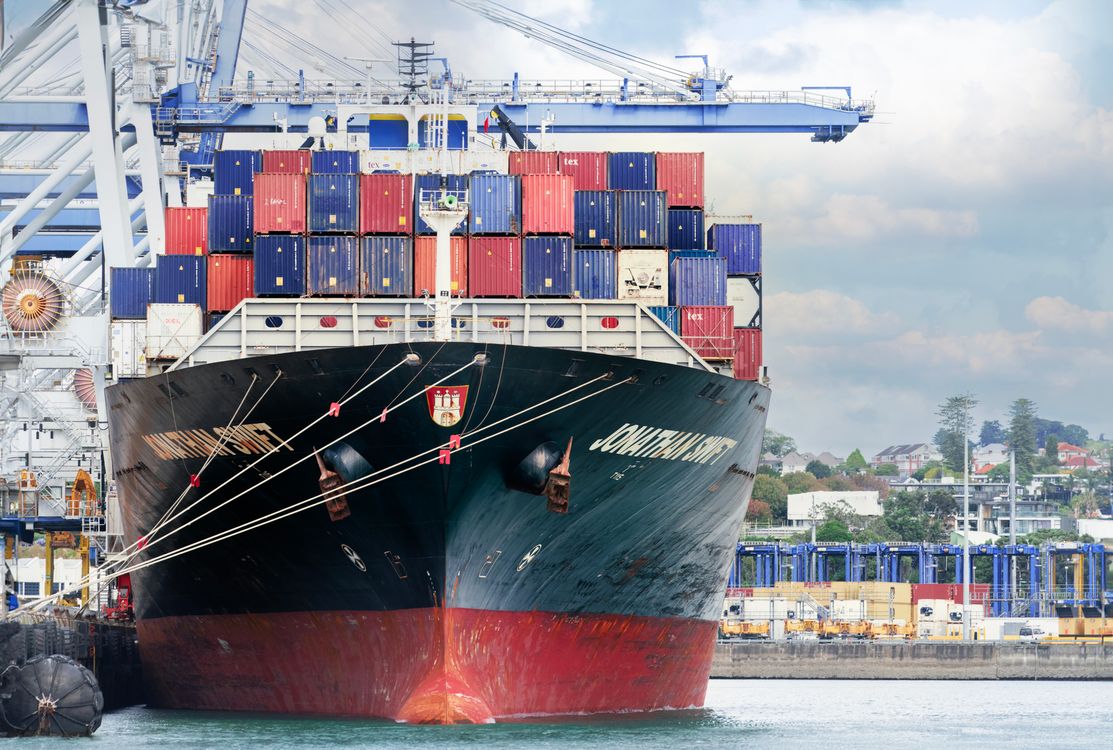
A freight forwarder arranges the transport of goods but does not physically move them. They act as the coordinator between you and the carriers, the shipping lines, airlines and trucking companies that own the vessels and vehicles. Because of this role, forwarders are often described as travel agents for cargo: they book the space, plan the route and manage the journey while someone else provides the transport.
Sea shipping sits at the center of this work. According to UN Trade and Development (UNCTAD), the vast majority of world merchandise trade by volume moves by sea, which is why so much of a forwarder's job revolves around ocean freight and the ports where goods enter a country. You can read the current figures in the UNCTAD Review of Maritime Transport.
The forwarder's core responsibility is simple to state and hard to execute: get your goods from the supplier's door to yours, choosing the best mix of speed, cost and reliability at each step. That means picking the right transport mode, the right carrier, the right route and the right paperwork, then keeping everything on schedule.
Services a Freight Forwarder Handles End to End
A good freight forwarder manages the entire shipping chain so you do not have to juggle multiple providers. The typical services include:
- Carrier booking and space reservation. Securing capacity on ships, aircraft or trucks, often at rates negotiated through volume.
- Route and mode selection. Deciding whether sea, air or road transport, or a combination, best fits your budget and deadline.
- Cargo consolidation. Combining your goods with other shipments to fill a container and lower the per-unit cost, which matters for smaller importers.
- Documentation. Preparing and checking the bill of lading, commercial invoice, packing list and certificate of origin. Errors here are one of the most common causes of delays.
- Cargo insurance. Arranging cover so a loss or damage in transit does not become your loss.
- Customs coordination. Working with clearing agents, or handling clearance directly, so goods pass through the port smoothly.
- Tracking and communication. Monitoring the shipment and updating you on progress, delays and arrival.
- Final delivery. Arranging road transport and warehousing so goods reach your premises, not just the port.
When one provider handles all of this, you get true door-to-door service. If you are still deciding how your goods should travel, our guide on sea freight vs air freight for Ghana importers breaks down the trade-offs in cost and speed.
How Freight Forwarders Save Importers Time and Money
The fee a forwarder charges often looks like an added cost until you weigh it against what shipping without one actually involves.
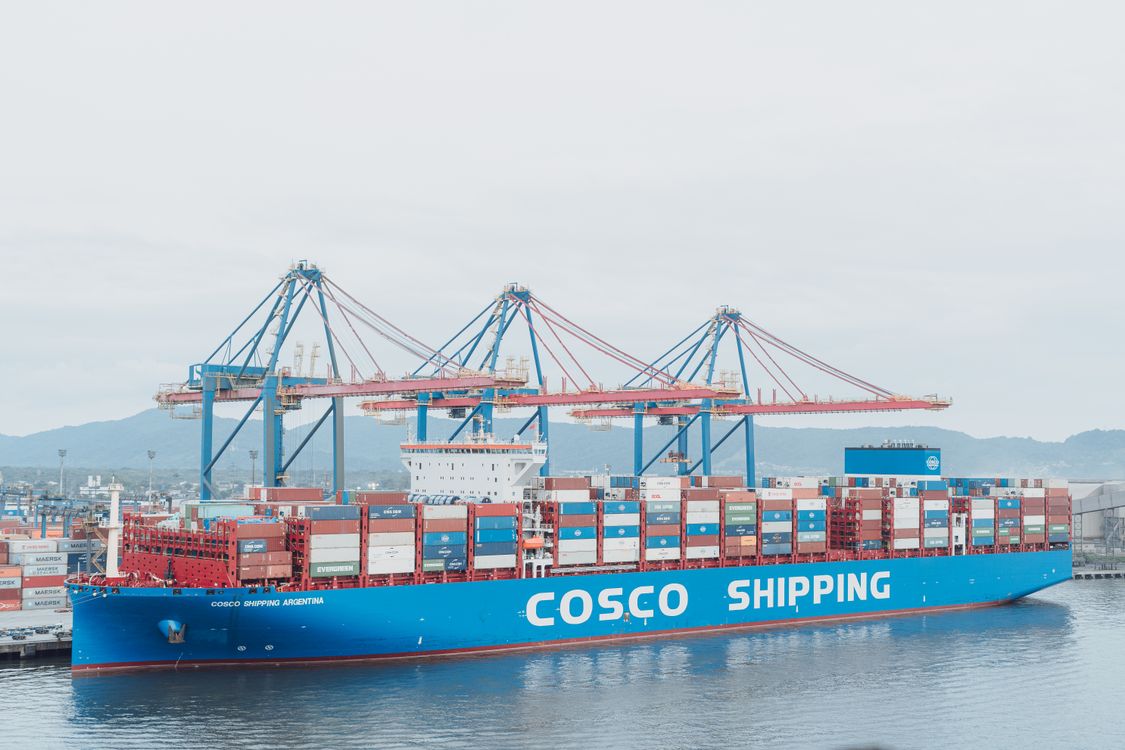
They access rates you cannot. Forwarders move large, steady volumes of cargo, so shipping lines and airlines give them pricing that a single importer shipping a few containers a year will never see directly. Part of that saving is passed on to you.
They prevent expensive mistakes. A rejected document, a misdeclared value or a missed deadline can trigger demurrage, storage fees and re-clearance costs that dwarf the forwarder's fee. An experienced forwarder gets the paperwork right the first time.
They cut idle time. When cargo sits at the port waiting for clearance or transport, charges accumulate daily. A forwarder who knows the port process keeps goods moving and knows the stages where importers most often lose time.
They free up your time. Instead of chasing carriers, forms and port officials, you get one point of contact and can focus on running your business.
For most importers, the real question is not whether a forwarder costs money, but how much a delayed or mishandled shipment would have cost without one.
The Difference Between Freight Forwarders and Clearing Agents
These two roles are frequently confused, and in Ghana many businesses use the terms loosely. They are not the same job.
A freight forwarder focuses on transport and logistics: arranging how goods travel, booking carriers, preparing shipping documents and managing the journey from origin to destination.
A clearing agent (also called a customs broker) focuses on customs clearance: presenting your goods to customs, calculating and paying import duties, and ensuring your shipment complies with import regulations. Clearing agents are typically licensed to deal directly with customs authorities.
The practical difference is where each one operates. The forwarder gets your goods to the port; the clearing agent gets them through the port. Because these steps are so connected, many freight forwarders either employ in-house clearing agents or offer clearance as part of their service, giving you a single provider for the whole process.
BJH Logistics is one such provider in Ghana, combining freight forwarding, customs clearance, warehousing and road transport so importers deal with one team rather than stitching together separate services. To see how the two roles overlap in practice, our overview of freight forwarders in Ghana and who to pick is a useful next read.
When to Hire a Freight Forwarder Like BJH
You do not need a freight forwarder for every parcel, but there are clear signals that it is time to bring one in.
- You are importing commercial goods by sea or air. Full or partial containers, palletized cargo and time-sensitive air freight all benefit from professional coordination.
- You are unfamiliar with import documentation. If the words bill of lading, HS code or certificate of origin are new to you, a forwarder protects you from costly errors.
- You want to control landed cost. Forwarders help you forecast total cost, including freight, duty and delivery, before you commit, giving you a clear picture of what a shipment will really cost.
- Your shipments are growing. As volume rises, so does the value of negotiated rates, consolidation and reliable clearance.
- You have been burned before. If a past shipment sat at the port racking up charges, a competent forwarder is insurance against a repeat.
A freight forwarder like BJH Logistics fits importers who want their goods handled from the supplier's warehouse to their own, with sea and air freight, customs clearance, warehousing and road transport managed under one roof.
Getting Started
If you import into Ghana and you are still coordinating carriers, documents and clearance yourself, the practical next step is to price out a single upcoming shipment with a full-service forwarder and compare it against what that shipment cost you last time. Ask for a landed-cost estimate that includes freight, duties and final delivery, then judge the fee against the delays and charges you would carry alone. For most importers, that one comparison settles the question.
Frequently asked questions
What exactly does a freight forwarder do?
A freight forwarder plans and coordinates the movement of your goods from origin to destination. They book carrier space, consolidate shipments, prepare shipping documents, arrange insurance and track cargo, without owning the vessels or aircraft themselves.
Is a freight forwarder the same as a clearing agent?
No. A freight forwarder manages the transport and logistics of a shipment, while a clearing agent handles customs clearance and duty payment at the port. Many freight forwarders in Ghana, including BJH Logistics, provide both under one roof.
Do I need a freight forwarder for a small shipment?
Even small importers benefit. Forwarders can combine your cargo with other shipments to lower costs, handle paperwork you may be unfamiliar with, and prevent delays at the port that cost far more than their fee.
How does a freight forwarder save me money?
Forwarders move large volumes, so they negotiate rates most individual importers cannot access. They also reduce demurrage charges, prevent documentation rejections and consolidate cargo to cut per-unit shipping costs.
