

Key takeaways
- Freight forwarding in Ghana coordinates sea or air carriers, customs clearance and road transport so importers deal with one point of contact instead of several.
- Container traffic at Ghana's ports rose 27.8% to 1,701,246 TEUs in 2024, with Tema Port handling more than 95% of national container volume (GPHA, 2025).
- The average customs clearance time after berthing was 10 days, 21 hours and 17 minutes in the GRA Time Release Study covering 2022 to 2024.
- Using a single forwarder from origin to door reduces handoffs, delays and finger-pointing when something goes wrong in transit.
Freight forwarding in Ghana is the business of moving your cargo from a supplier abroad to your warehouse or shop, with one company managing the carriers, customs and trucking in between. Instead of booking a shipping line, filing customs entries and hiring a truck separately, you hand the whole chain to a forwarder who stitches it together.
That matters because the volume moving through Ghana's ports keeps climbing. Container traffic rose 27.8% to 1,701,246 TEUs in 2024, up from 1,226,635 TEUs the year before (MyJoyOnline, 2025). More cargo means more congestion, and that is exactly where a good forwarder earns its fee.
This guide walks through what freight forwarding in Ghana involves, the end-to-end journey your goods take, and how coordinating sea, air, customs and road under one roof saves importers time and money.
What Does Freight Forwarding in Ghana Involve?
Freight forwarding in Ghana involves arranging and managing the transport of goods on behalf of an importer or exporter. In 2024, cargo throughput at the ports reached 20.2 million metric tons between January and September alone, with Tema handling 72.2% of it (Ghana Shippers Authority, Jan-Sep 2024 Trade Review). A forwarder is the company that organises a share of that flow for its clients.
A forwarder does not usually own the ships or planes. It buys space from carriers, then adds the services that get your cargo from the carrier to your door. Those services include booking, documentation, customs brokerage, inland haulage and sometimes warehousing.
Think of the forwarder as a project manager for your shipment. You tell them what you are importing, where it is coming from and where it needs to go. They quote a price, book the route, prepare the paperwork and keep the cargo moving past each checkpoint.
For a fuller breakdown of the role, see our guide on what a freight forwarder is and why you need one.
The End-to-End Process From Origin to Delivery
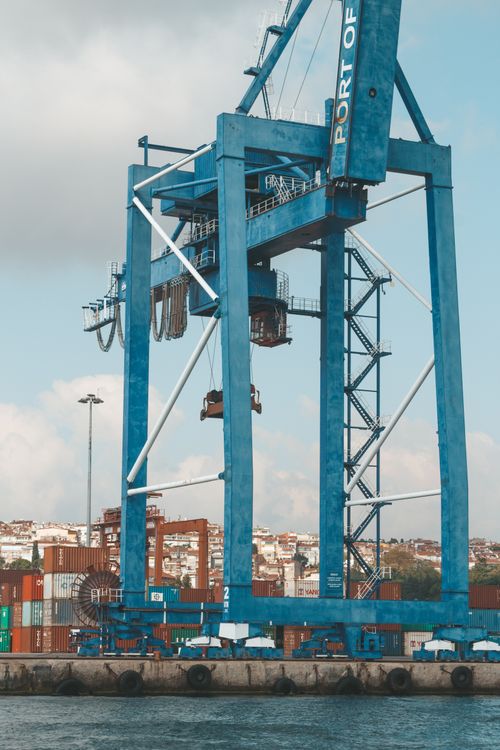
The process runs in clear stages, and knowing them helps you spot where delays happen. Roughly 95% of Ghana's container traffic passes through Tema Port, so most import journeys funnel through the same gateway (GPHA via CitiNewsroom, 2025). Here is the typical path an imported shipment takes.
Stage 1: Booking and collection at origin
The forwarder arranges collection from your supplier and books space on a vessel or aircraft. For sea freight this means deciding whether your goods fill a full container or share one.
Stage 2: Export clearance and loading
At the origin country, the goods clear export formalities and load onto the vessel or plane. The forwarder confirms the bill of lading or air waybill, the core transport document for the shipment.
Stage 3: Main carriage to Ghana
The cargo travels by sea to Tema or Takoradi, or by air to Kotoka International Airport in Accra. Sea transit from Asia or Europe can take several weeks, while air freight arrives in days.
Stage 4: Arrival, customs clearance and duty
On arrival, the goods must clear customs before release. The forwarder files the entry, calculates duty and arranges inspection where required. This is often the slowest stage, so preparation matters.
Stage 5: Inland transport and final delivery
Once released, the cargo moves by road to your premises. The forwarder arranges the truck, tracks the journey and confirms delivery.
Coordinating Sea, Air, Customs and Transport
Coordination is the hardest part of the job, because each leg has its own rules, parties and timing. The average time to clear goods after berthing was 10 days, 21 hours and 17 minutes in the Ghana Revenue Authority Time Release Study covering 2022 to 2024 (GRA via Modern Ghana, 2024). A single missed document can add days to that figure.
A forwarder keeps the four moving parts in step:
- Sea and air carriers set sailing and flight schedules that rarely bend. The forwarder books early and plans around them.
- Customs requires accurate classification, valuation and documents. Errors trigger queries, inspections and demurrage.
- Port and terminal handling involves fees, storage limits and release orders that must line up with duty payment.
- Road transport has to be ready the moment cargo is released, or storage charges start piling up.
When these are managed by separate companies, each blames the next when something slips. When one forwarder owns the whole chain, the handoffs happen internally and nobody waits on an email from a stranger.
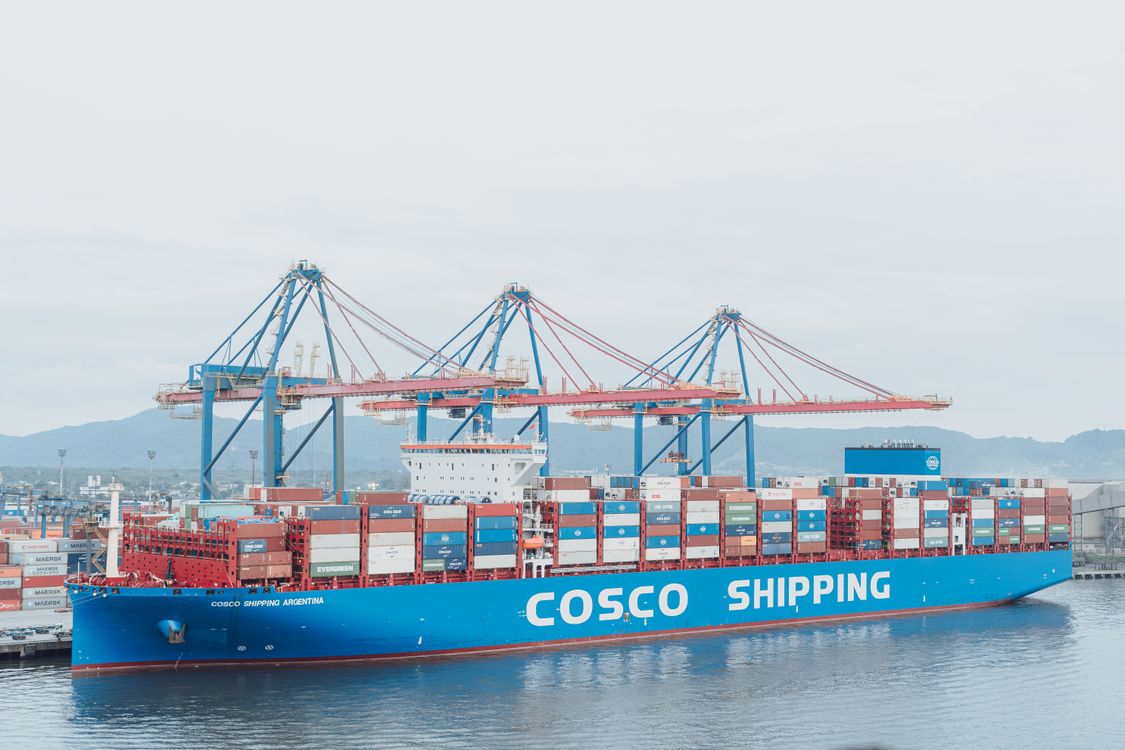
Deciding between ocean and air is a recurring question for importers, and the right choice depends on the weight, value and urgency of the goods you are moving.
Why Use a Single Freight Forwarder?
Using one forwarder for the full journey cuts the number of handoffs, and each handoff is a chance for delay or error. Ghana's total merchandise trade stood at 33,269 million dollars in 2023, equal to 64.39% of GDP (World Bank WITS, Ghana Trade Summary). In a trade-heavy economy, small efficiency gains on each shipment add up fast.
The practical benefits are straightforward:
- One point of contact. You call one person about booking, customs and delivery, not three.
- Fewer gaps. The forwarder plans the next leg before the current one ends, so cargo keeps moving.
- Clearer accountability. If something goes wrong, one company owns the problem.
- Better rates. A forwarder moving steady volume negotiates carrier and haulage prices you could not reach alone.
- Simpler paperwork. The bill of lading, customs entry and delivery note all flow through the same hands.
The alternative, stitching together a shipping line, a separate customs broker and an independent trucker, can work, but it puts the coordination burden on you. For most importers, that time is better spent running the business.
How BJH Logistics Manages the Full Journey
BJH Logistics handles each stage described above as a single service, so an importer deals with one team from booking to final delivery. The company arranges sea and air freight, files customs clearance at Tema and Kotoka, provides warehousing and runs road transport across Ghana.
In practice that means BJH books carrier space suited to your cargo, prepares and submits the shipping and customs documents, pays duty on your behalf and schedules the truck to collect goods the moment they are released. Warehousing bridges the gap when you are not ready to receive a full shipment at once.
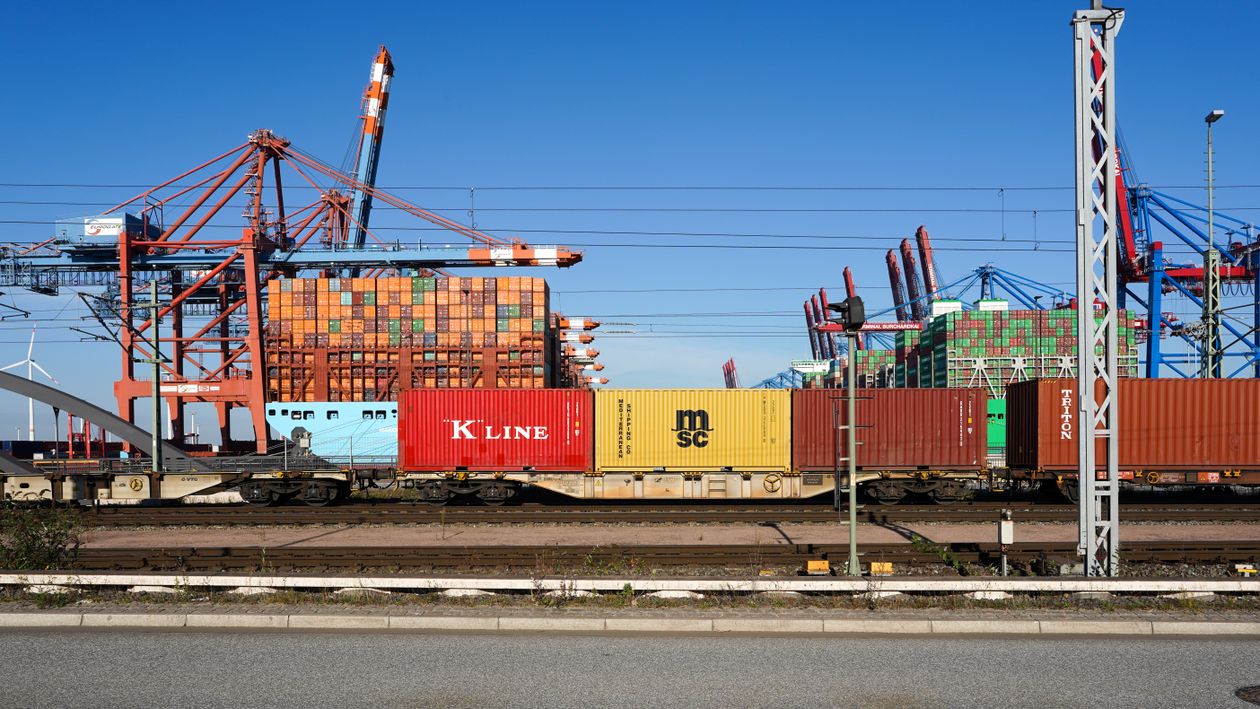
Because the customs stage causes most delays, having the broker inside the same team as the people booking your truck removes the waiting that trips up split arrangements. If you want to understand that leg in detail before you import, read our step-by-step walkthrough of Ghana customs clearance procedures.
If you are planning an import and want a single team to manage the sea or air leg, customs and delivery, start by listing your cargo details and origin, then ask a forwarder like BJH Logistics for a routed quote. A clear brief at the start is what keeps the whole journey predictable.
Frequently asked questions
What does a freight forwarder in Ghana actually do?
A freight forwarder arranges the movement of your cargo from the supplier to your door. That covers booking sea or air space, preparing shipping documents, clearing goods through customs at Tema or Kotoka, and arranging inland trucking.
Do I still pay import duty if I use a forwarder?
Yes. Import duty and other government charges are paid to the Ghana Revenue Authority regardless of who clears your goods. The forwarder handles the paperwork and payment process, but the duty itself is a separate statutory cost.
Is sea or air freight better for importing into Ghana?
Sea freight suits large, heavy or low-value shipments where cost matters more than speed. Air freight suits urgent, light or high-value goods. Most Ghanaian importers use sea freight for bulk and air for time-critical items.
How long does it take to clear goods at Tema Port?
Clearance time varies with documentation, inspection and duty payment. The GRA Time Release Study covering 2022 to 2024 recorded an average of about 10 days and 21 hours after berthing, though well-prepared shipments can move faster.
