

Key takeaways
- Freight is only part of the bill: duties, VAT, port charges, and demurrage can add 12% or more to your CIF value before goods leave Tema.
- Ghanaian shippers paid 24 million dollars in demurrage in 2022, and 45% of containers incurred charges, so clearing within your free days is the fastest saving available.
- Consolidating cargo into full containers and choosing the right Incoterm often cuts more cost than haggling over the freight rate alone.
- From May 2026 the Container Administrative Charge is capped at GH¢550 per TEU, a change the trade association projects will save shippers about GH¢802.5 million a year.
You reduce shipping costs to Ghana by controlling the parts of the bill that freight rates hide: port charges, demurrage, duties, and the Incoterm you agree with your supplier. The freight quote is rarely where the money leaks. The leaks come from containers sitting too long at Tema, cargo shipped in half-empty boxes, and import terms that quietly transfer cost onto you.
This guide walks through where your money actually goes and the practical moves that lower your total landed cost. The aim is a clear plan you can apply on your next import, whether you bring in one pallet or a full container.
What drives shipping costs, and where you can reduce them in Ghana
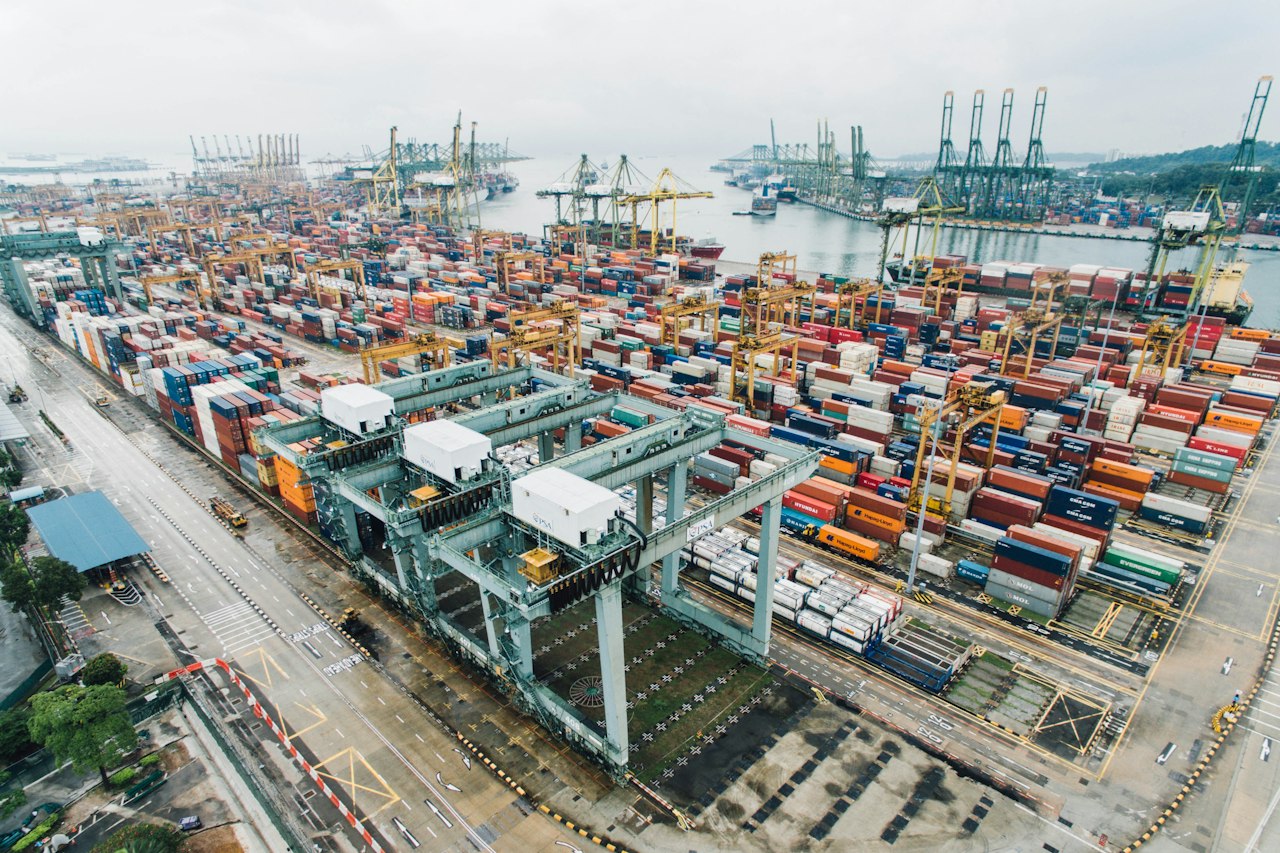
Your landed cost is built from several layers, and ocean freight is only one of them. Understanding the full stack tells you where savings are realistic and where they are not. The biggest controllable costs for most importers are container utilisation, time at port, and the import terms you sign up to.
Here are the layers that make up what you pay:
- Ocean or air freight. The headline rate from origin to Tema or Kotoka. Market-driven and hard to influence on a single shipment.
- Port and terminal charges. Handling, administrative, and shipping-line fees applied at Tema.
- Demurrage and detention. Daily penalties once your free days expire.
- Duties and taxes. Import duty plus VAT and several levies, calculated on your CIF value.
- Inland transport. Moving cargo from the port to your warehouse or store.
On the tax layer, the numbers add up quickly. Ghana's VAT stands at 15%, and according to the US International Trade Administration, additional levies and charges can add up to 12% of CIF value on top of the duty itself, as set out in its Ghana import tariffs guide. Because these are charged on the CIF value, the freight and insurance you declare feed directly into your tax bill.
Consolidation and container optimization
The cheapest way to move a cubic metre of cargo is inside a full container that you have filled efficiently. Shipping cost per unit falls sharply as you fill the box, so consolidation is often the highest-return decision an importer makes. The choice between a full container load and a shared one shapes both your freight rate and your exposure to fixed charges.
A full container load, or FCL, means you book and pay for a whole container. A less-than-container load, or LCL, means your cargo shares space with other importers and you pay by volume. LCL suits small shipments, but it carries a cost trap: you still face minimum charges and handling fees that do not shrink with your small volume. Once your cargo approaches roughly two-thirds of a container, FCL usually wins on cost per unit and gives you cleaner control over timing.
Practical ways to optimise container use:
- Consolidate several orders from the same region into one shipment rather than many small ones.
- Time purchases so a single container ships full instead of two shipping half empty.
- Palletise and stack cargo to use the container's full height, not just its floor.
- Compare an FCL quote against your LCL quote whenever your volume is borderline.
If you are weighing these options for a specific order, our guide on FCL vs LCL shipping breaks down the break-even point in more detail.
Choosing the right Incoterm and mode
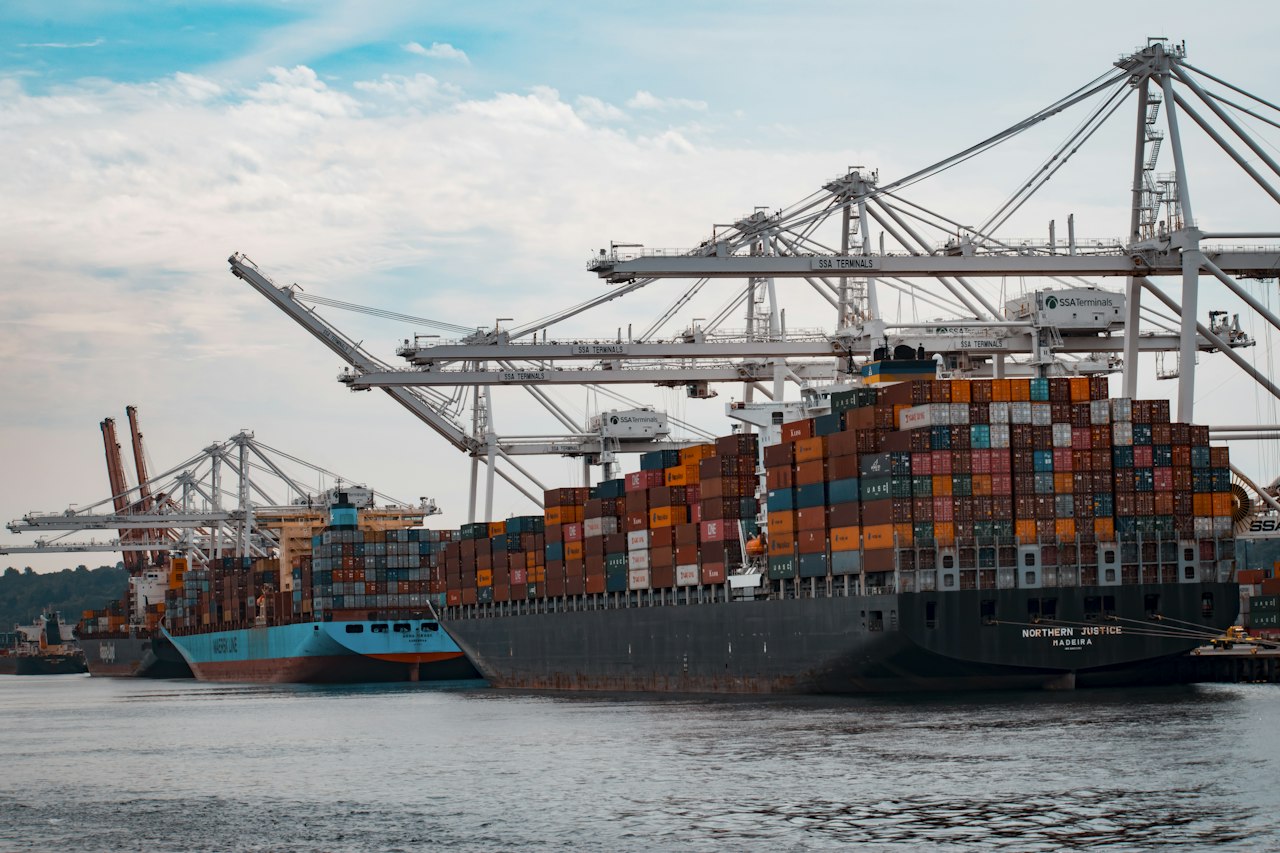
The Incoterm you agree with your supplier decides who pays for freight, insurance, and risk at each stage, and it directly affects your declared CIF value. Picking the wrong term can mean paying twice for the same service or losing control of costs you could have shopped around. The mode you choose, sea or air, then sets the baseline for both speed and price.
On Incoterms, the practical point is control. Under terms such as EXW or FOB, you arrange and pay for the main freight, which means you can negotiate it directly and often secure a better rate than a supplier bundling it into the price. Under CIF or DDP, the supplier controls those costs, and the margin they build in is money you cannot see or challenge. For importers who ship regularly, taking control of the freight leg usually lowers cost over time.
On mode, sea freight is far cheaper per kilogram and remains the default for most goods. Air freight earns its premium only in specific cases:
- Small, high-value items where freight is a minor share of the goods cost.
- Urgent stock where a delay costs you more in lost sales than the air premium.
- Perishable or time-sensitive cargo that cannot survive weeks at sea.
For everything else, sea freight protects your margin. Match the mode to the cargo rather than defaulting to the faster option out of habit.
Avoiding demurrage and clearance penalties
Demurrage is the most avoidable cost in the entire chain, and it is where Ghanaian importers lose the most money needlessly. These are daily penalties that accrue once your container overstays its free days at Tema. Unlike freight rates, which the market sets, demurrage is almost entirely within your control if you prepare paperwork early and clear on time.
The scale of the problem is large. Ghanaian shippers paid 24 million dollars in demurrage in 2022, up from 19 million in 2021, and 45% of containerised cargo attracted demurrage charges that year, according to figures the Ghana Shippers Authority shared with the Ghana News Agency. Nearly half of all containers were paying a penalty that careful planning could have avoided.
Free days for imports at Tema typically run around seven days. Rates then climb in bands, and the longer a container sits, the steeper the daily charge becomes. The way to stay clear of them:
- Have your documents complete and accurate before the vessel arrives, not after.
- Pre-clear through ICUMS where possible so processing starts before the cargo lands.
- Confirm your duty payment is ready so clearance is not held up by financing.
- Arrange inland transport in advance so the container moves the moment it is released.
There is also relief on the horizon. From 1 May 2026, the Container Administrative Charge is capped at GH¢550 per TEU, a change the Ghana Union of Traders' Association projects will save shippers about GH¢802.5 million a year, as reported by MyJoyOnline. Factor the new cap into your 2026 cost planning, but do not let it distract from the bigger win: clearing on time. For the full process, our Ghana customs clearance procedures guide sets out each step in order.
How BJH helps cut total landed cost
Reducing shipping costs to Ghana is less about finding one cheap quote and more about managing every layer of the bill together. This is where working with a freight forwarder changes the numbers. BJH Logistics handles freight, customs clearance, warehousing, and inland transport as one coordinated service, which closes the gaps where cost usually leaks.
In practice, that coordination shows up as:
- Consolidation. Combining shipments so your cargo travels in full, efficiently loaded containers rather than costly part loads.
- Incoterm guidance. Helping you choose terms that keep control of the freight leg rather than paying a supplier's hidden margin.
- Early clearance. Preparing and lodging documents through ICUMS ahead of arrival so containers move within their free days and avoid demurrage.
- Warehousing and transport. Holding cargo and moving it inland on your schedule so you are not forced into rushed, expensive decisions at the port.
The goal is the lowest total landed cost, not just the lowest line item. A slightly higher freight rate that comes with on-time clearance and zero demurrage almost always beats a cheap quote that leaves your container sitting at Tema.
Start with your next shipment: list every cost layer from origin to warehouse, identify which one is largest, and fix that first. For most importers, that first fix is clearing on time. If you want a second set of eyes on your cost breakdown before you book, bring the numbers to BJH Logistics and we will show you where the savings are.
Frequently asked questions
What is the single biggest way to reduce shipping costs when importing to Ghana?
Clear your cargo within the free days allowed at Tema port. Demurrage and container charges accumulate daily and are the most avoidable cost, since 45% of containers in 2022 attracted these charges.
Is sea freight always cheaper than air freight to Ghana?
For most goods, yes. Sea freight costs far less per kilogram, but air freight can be cheaper overall for small, high-value, or urgent shipments once you factor in financing, insurance, and storage time.
Does the Incoterm I choose affect how much duty I pay?
Yes. Ghana calculates import duty on the CIF value, which includes cost, insurance, and freight. The Incoterm determines who arranges and prices those elements, so it directly shapes your declared value and total landed cost.
What are demurrage free days at Tema port?
Free days are the window, typically around seven days for imports, during which your container sits at the terminal without daily charges. After that window, demurrage accrues per day until you clear and return the container.
