

Key takeaways
- All cocoa exports in Ghana run through COCOBOD and its subsidiaries, so exporters work with Licensed Buying Companies rather than buying direct from farmers.
- Ghana produced 771,000 metric tons of cocoa in the 2025/26 season, well above the official forecast of 650,000 tons (Reuters via CNBC Africa, 2026).
- Every parcel must pass Quality Control Company grading and carry a Purity Certificate, phytosanitary certificate, certificate of origin and bill of lading before it loads.
- Cocoa ships in 64 kg jute bags through Tema or Takoradi, usually as full container loads cleared on the ICUMS platform.
Exporting cocoa from Ghana means working inside a regulated system built around COCOBOD, not selling beans on the open market. You buy through a Licensed Buying Company or become one, have the beans graded and certified by the Quality Control Company, gather the export permits and phytosanitary paperwork, then pack in jute bags and ship by sea from Tema or Takoradi. This guide walks through each step so you know what the process demands before your first container loads.
Ghana is one of the two countries that dominate world cocoa supply, so demand for its beans is steady and the rules protecting that reputation are strict. In the 2025/26 season the country produced 771,000 metric tons of cocoa, well above the official forecast of 650,000 tons (Reuters via CNBC Africa, 2026). For an exporter, that scale is an opportunity and a reason the paperwork matters.
How Do COCOBOD and Licensed Buying Companies Control Cocoa Exports?
COCOBOD, the Ghana Cocoa Board, regulates every stage of the cocoa trade, from the farm-gate price to the final shipment. Private firms known as Licensed Buying Companies, or LBCs, purchase beans from farmers at the government-set producer price, while COCOBOD subsidiaries handle grading, quality assurance and marketing.
If you want to export rather than just buy, the bar is higher. An LBC that wants to become an external marketer must have run internal purchasing for at least two cocoa seasons and bought a minimum of 10,000 tonnes per year over the preceding two consecutive seasons. It also needs staff with real expertise in external marketing. Many exporters skip that route and instead source graded, certified cocoa through the approved channels.
For a wider view of how farm produce leaves the country, our guide to exporting agricultural goods from Ghana covers the broader rules that sit around the cocoa-specific ones.
What Grading and Quality Standards Must Cocoa Meet?
Every parcel of cocoa is inspected, graded and sealed by COCOBOD's Quality Control Company (QCC) before it can be shipped. Beans are sorted mainly into Grade I and Grade II, with Grade I representing premium export quality. The QCC checks fermentation, drying, moisture, bean count and the level of broken beans or foreign matter.
The merchantable standard is demanding. Beans must be well fermented, thoroughly dried, free from smoky or abnormal odours, free from adulteration and reasonably free from living insects and foreign material. Ghana's minimum quality thresholds sit above the general international cocoa benchmark, which is a large part of why its beans command a premium with chocolate makers.
Quality is confirmed in stages. Inspectors grade beans at the buying depot, seal the bags, and issue a Purity Certificate for each parcel at the take-over point. That certificate is the document buyers overseas rely on, so grading is not a formality you can rush.
That reputation for consistent quality holds even as global supply shifts. In the 2024/25 season world cocoa production reached 4.723 million tonnes against grindings of 4.628 million tonnes (ICCO Quarterly Bulletin of Cocoa Statistics, 2026), a tight balance that keeps certified West African beans in strong demand.
Which Documents and Permits Does Exporting Cocoa from Ghana Require?
Cocoa export paperwork is more involved than a typical commodity shipment because COCOBOD, plant health authorities and customs all have a role. Missing one certificate can hold a container at the port and trigger storage and demurrage charges.
The core documents are:
- A COCOBOD export permit authorising the shipment.
- The QCC Purity Certificate confirming grade and quality for each parcel.
- A phytosanitary certificate from the Plant Protection and Regulatory Services Directorate (PPRSD), confirming the beans are pest-free.
- A certificate of origin establishing the cocoa as Ghanaian.
- A bill of lading issued by the carrier once the goods are loaded.
Certified cocoa adds another layer. Organic, Rainforest Alliance, UTZ and fully traceable lots usually need a formal agreement between COCOBOD, the buyer and the LBC, plus the scheme's own documentation. Ghana has also rolled out a farm-to-port traceability system to meet the EU Deforestation Regulation, linking GPS-mapped farms to purchase and grading records.
How Is Cocoa Packaged and Shipped by Sea?
Cocoa from Ghana is packed in standard jute bags of 64 kg each, then graded, sealed and stuffed into containers for sea freight. Jute is used because it lets the beans breathe, which protects them from moisture and mould during a voyage that can run several weeks.
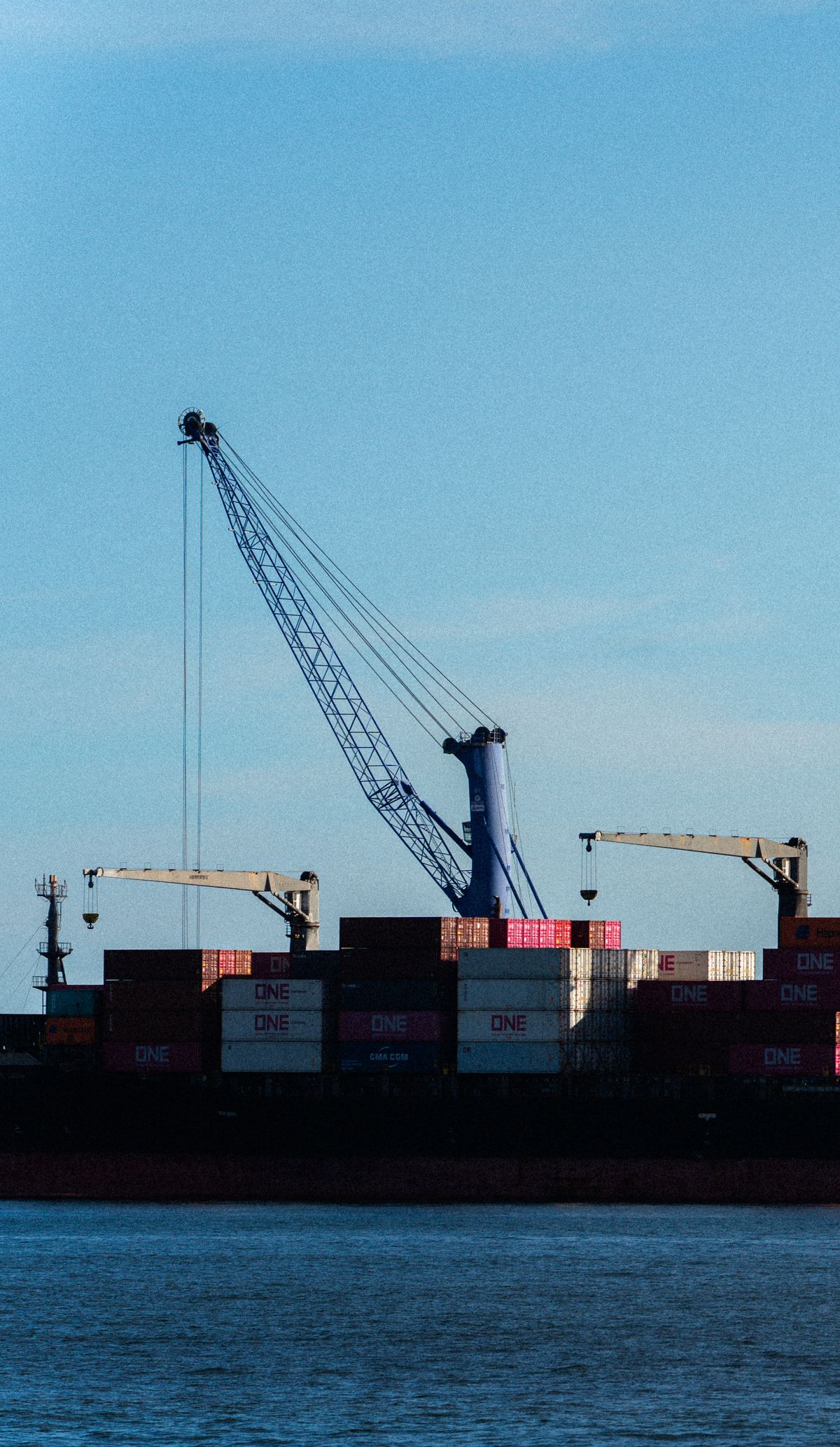
Most cocoa moves as full container loads (FCL) rather than shared space, because volumes are high and exporters want to keep the cargo sealed and traceable from depot to vessel. A standard container holds a large number of bags, so FCL keeps the cost per tonne down and limits handling. If your volume is smaller, weigh FCL against a part-container option using our breakdown of FCL versus LCL shipping.
Container condition matters as much as the bags. A damp or contaminated box can ruin a premium Grade I parcel, so clean, dry, odour-free containers and careful stuffing are part of protecting the shipment's value.
What Happens During Customs and Port Procedures?
Cocoa exports are cleared through Ghana's Integrated Customs Management System, known as ICUMS, and loaded at Tema or Takoradi. ICUMS is the single electronic platform where declarations, permits and certificates are lodged and processed before cargo is released for export.
The practical sequence is straightforward once your documents are in order. You lodge the export declaration on ICUMS, attach the COCOBOD permit, Purity Certificate, phytosanitary certificate and certificate of origin, and wait for clearance. The container is then positioned, stuffed with the sealed bags and handed to the shipping line, which issues the bill of lading.
Delays almost always trace back to paperwork rather than the beans themselves. A grading certificate issued late, a permit raised after the vessel's cut-off, or a mismatch between the declaration and the physical cargo can all stall a shipment. Because port storage and demurrage accrue quickly once a container sits idle, preparing documents ahead of the vessel schedule is the single biggest time-saver.
How Does BJH Logistics Support Cocoa Exporters?
BJH Logistics handles the freight and clearance side of cocoa exports so the grower or buyer can focus on sourcing and quality. We arrange sea freight from Tema and Takoradi, coordinate container bookings and stuffing, and prepare and lodge the export documentation on ICUMS.
Because cocoa is time-sensitive and quality-sensitive, having one coordinator across customs, port handling and the shipping line reduces the gaps where delays start. Our team lines up the COCOBOD permit, QCC certificate, phytosanitary paperwork and bill of lading in the right order, matches them to the vessel schedule, and keeps the cargo moving.
Ready to move your next cocoa consignment? Contact BJH Logistics for a quote on container freight and export clearance from Ghana, and we will map the documents and sailing dates to your harvest.
Frequently asked questions
Can I export cocoa from Ghana without going through COCOBOD?
No. COCOBOD regulates all cocoa trade in Ghana. Beans are bought by Licensed Buying Companies, graded by the Quality Control Company and marketed through COCOBOD channels, so every legal export passes through this system.
What quality grades apply to Ghanaian cocoa beans?
The Quality Control Company grades beans mainly as Grade I or Grade II, checking fermentation, moisture, bean count and defects. Grade I is premium export quality. Ghana's minimum standards are stricter than the general international market benchmark.
Which documents do I need to export cocoa from Ghana?
You need a COCOBOD export permit, a QCC Purity Certificate, a phytosanitary certificate from the PPRSD, a certificate of origin and a bill of lading. Certified cocoa such as organic or Rainforest Alliance needs extra paperwork.
How is cocoa packed and shipped from Ghana?
Cocoa is packed in standard 64 kg jute bags, graded and sealed, then stuffed into containers at Tema or Takoradi. Most shipments move as full container loads by sea, with customs handled on the ICUMS platform.
How long does cocoa export clearance take at the port?
Timing depends on documentation and vessel schedules. With permits, certificates and QCC grading ready in advance, container stuffing and ICUMS clearance usually move within a few working days, avoiding costly storage and demurrage charges.
