

Scenario guide
A vehicle project needs each unit connected to the work it will support after arrival. The Vehicle Import guide provides background on the vehicle import process. Where those units serve a mine, mining project cargo planning adds a site-delivery context; the project brief should still identify the actual vehicles, receivers and operating milestones.
Build a unit register around the project schedule
List each vehicle or machine with its identification, dimensions, operating condition and intended site. Record the proposed arrival group and the task that depends on it. For loads or site access needing specialist assessment, consider route surveys and heavy-lift planning against the actual transport configuration rather than assuming ordinary vehicle handling will be sufficient.
Give every unit a clear receiving instruction and named contact. A project manager should be able to see which delivery supports which work package, and which measurements, documents or handling decisions are still outstanding before that unit can move.
Stage arrivals to match the site receiving sequence
Suppose the site needs support vehicles before heavier equipment. Separate those delivery groups in the register and identify the receiving capacity for each. If an essential vehicle is delayed, the team can then review its effect on site work without losing track of the remaining units.
Reconcile supplier records with the vehicles arriving
When suppliers release units in different batches, reconcile the shipping details with the project register. Record substitutions and identification changes as they happen. An arrival list that differs from the site’s expected vehicles needs investigation before delivery instructions are passed on.
Separate vehicle movement from specialist lifting tasks
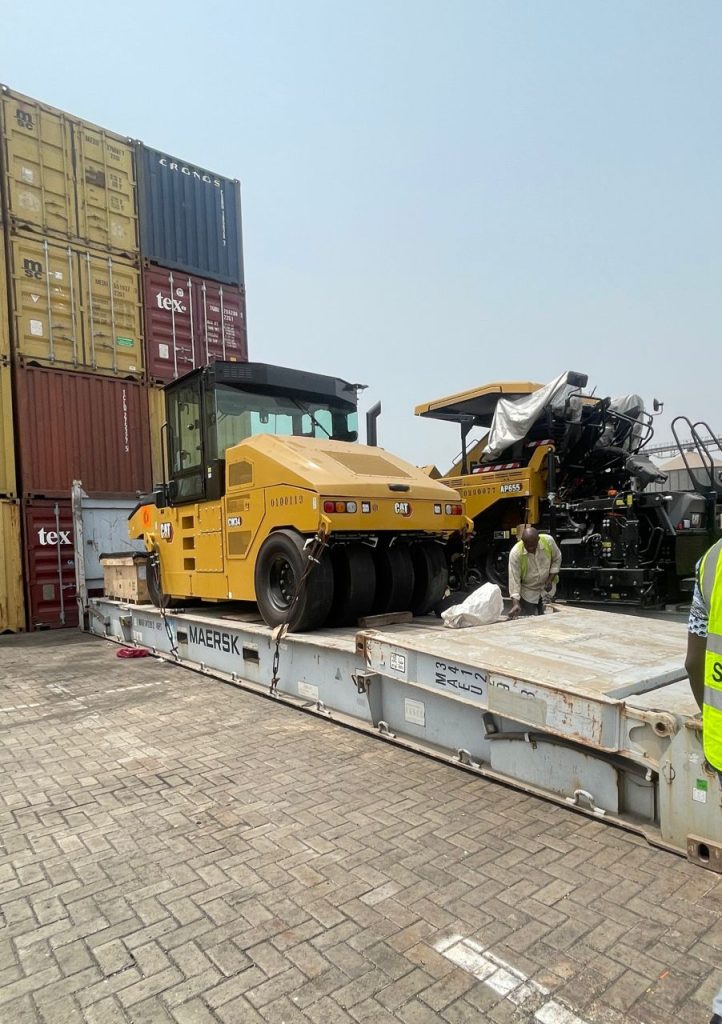
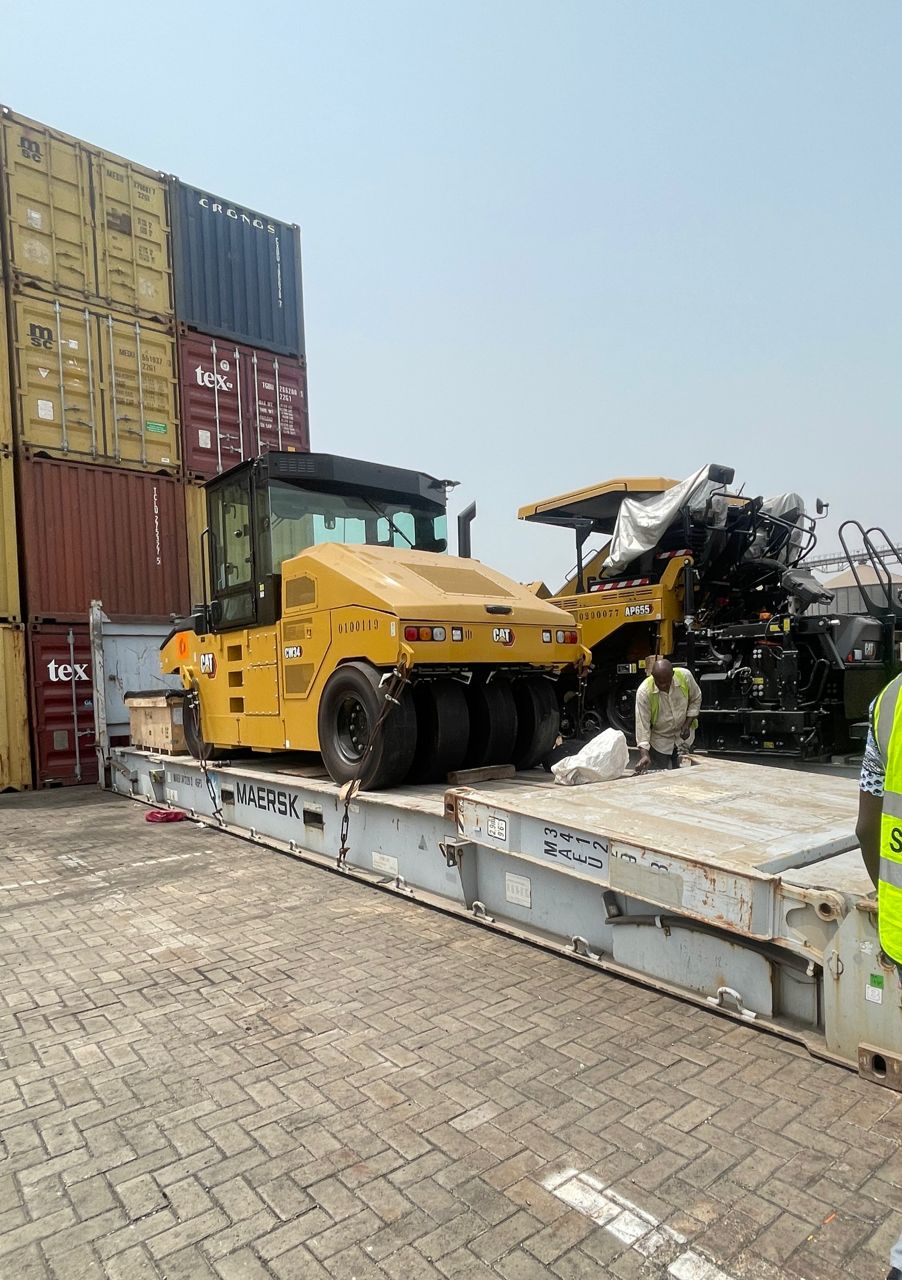
A mixed shipment may include driven vehicles alongside equipment that cannot move under its own power. Describe those handling differences explicitly. Obtain the relevant specialist assessment for loading, transport or unloading, and identify who will provide the equipment and supervision required by the agreed plan.
Resolve project handover gaps before dispatch
- Avoid issuing delivery instructions without the unit identifier, site contact and agreed receiving location.
- Flag any difference between the unit dimensions or operating condition and the information used to plan its handling.
- Record who must decide if a changed arrival sequence affects the site’s readiness to receive the next delivery.
Request a coordinated vehicle project scope
Discuss automotive and RoRo logistics in Ghana using the unit register and site milestones. Identify the vessel movement required under RoRo shipping services, then use the Services Hub to check whether clearance, holding or inland delivery also belongs in the requested scope. Each task should have an agreed handover rather than an assumed owner.
Explore Related Logistics Services
A vehicle project enquiry about automotive and RoRo logistics in Ghana should include the unit register, supplier locations and intended receiving sequence. Add the Ghana collection or delivery plan and identify who will reconcile the vehicles at each handover.
When does vehicle import need a project logistics plan?
A project plan can help when multiple units, staged arrival or specialised receiving arrangements must be coordinated. Define the unit list and handover sequence before choosing the service.
How should vehicles be tracked across project handovers?
Use the individual vehicle identifiers in the shipment and receiving records. Assign a responsible contact for each transfer and record the condition or quantity differences observed at acceptance.
