

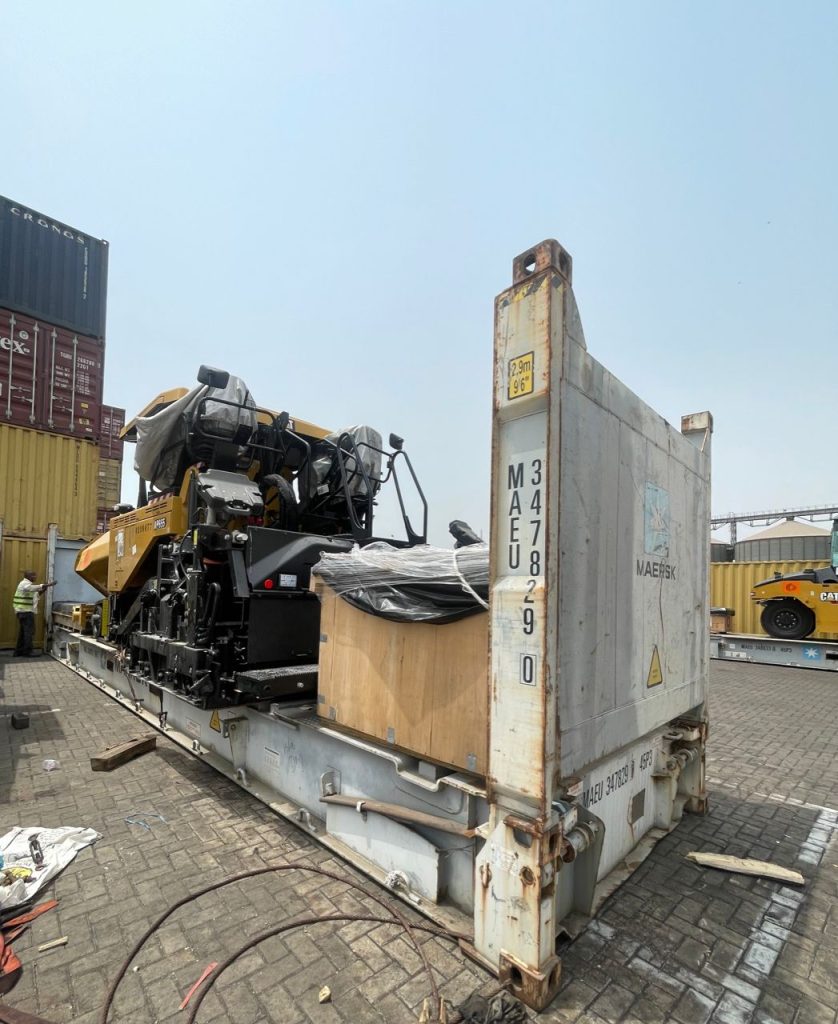
Educational guide
Warehouse and Last-Mile Support for NGO Cargo matters because buyers often need a clearer answer before they commit time, budget, or cargo planning to the wrong route. In practice, the issue usually comes down to how humanitarian cargo logistics in West Africa affects timing, handling, documents, cost control and the confidence to move forward without avoidable mistakes.
NGO warehouse and last-mile support should connect stock records with programme deliveries. Plan receipt, allocation and dispatch around what each receiving location needs.
Organising NGO stock for phased distribution
NGO cargo may need to be stored and dispatched in stages rather than delivered as one consignment. Identify the stock to be received, the locations to be served and the handover records required by the programme so that warehouse activity supports the distribution schedule.
Give each item a usable stock reference and agree the quantities assigned to programme locations before preparing the first dispatch.
Stock references dispatch approvals and field handovers
Schedule picking and loading against the distribution timetable, accounting for when the receiving team can accept and record the goods.
Keep receipt, allocation and dispatch records consistent so the programme can distinguish stock in storage from goods handed to a transport or field team.
Name the warehouse dispatcher, transport contact and field receiver for each delivery, with an agreed record for shortages or changed allocations.
Check access and unloading arrangements at the programme delivery point, including who can verify the quantity and condition received.
Dispatching relief goods without a clear recipient record
- Choosing on one visible factor alone and leaving the rest of the cargo chain to be solved later.
- Treating customs, storage or delivery as separate afterthoughts instead of as part of the same decision.
- Waiting until the shipment is already in motion to correct obvious planning gaps.
A dispatch recorded without a clear recipient or allocation can make it difficult to reconcile warehouse stock with programme delivery evidence.
Checking balances allocations and programme delivery evidence
Look for visible stock balances, approved dispatch instructions and a handover record that follows the goods to the receiving programme team.
If you want a broader commercial view, it often helps to review humanitarian cargo logistics in West Africa and compare it with Break Bulk Cargo Handling Service in Ghana or a useful adjacent route before making a final decision.
Coordinating warehouse requests across relief locations
Warehouse coordination helps when relief stock is split between locations, deliveries are phased or several programme staff can request goods from the same inventory.
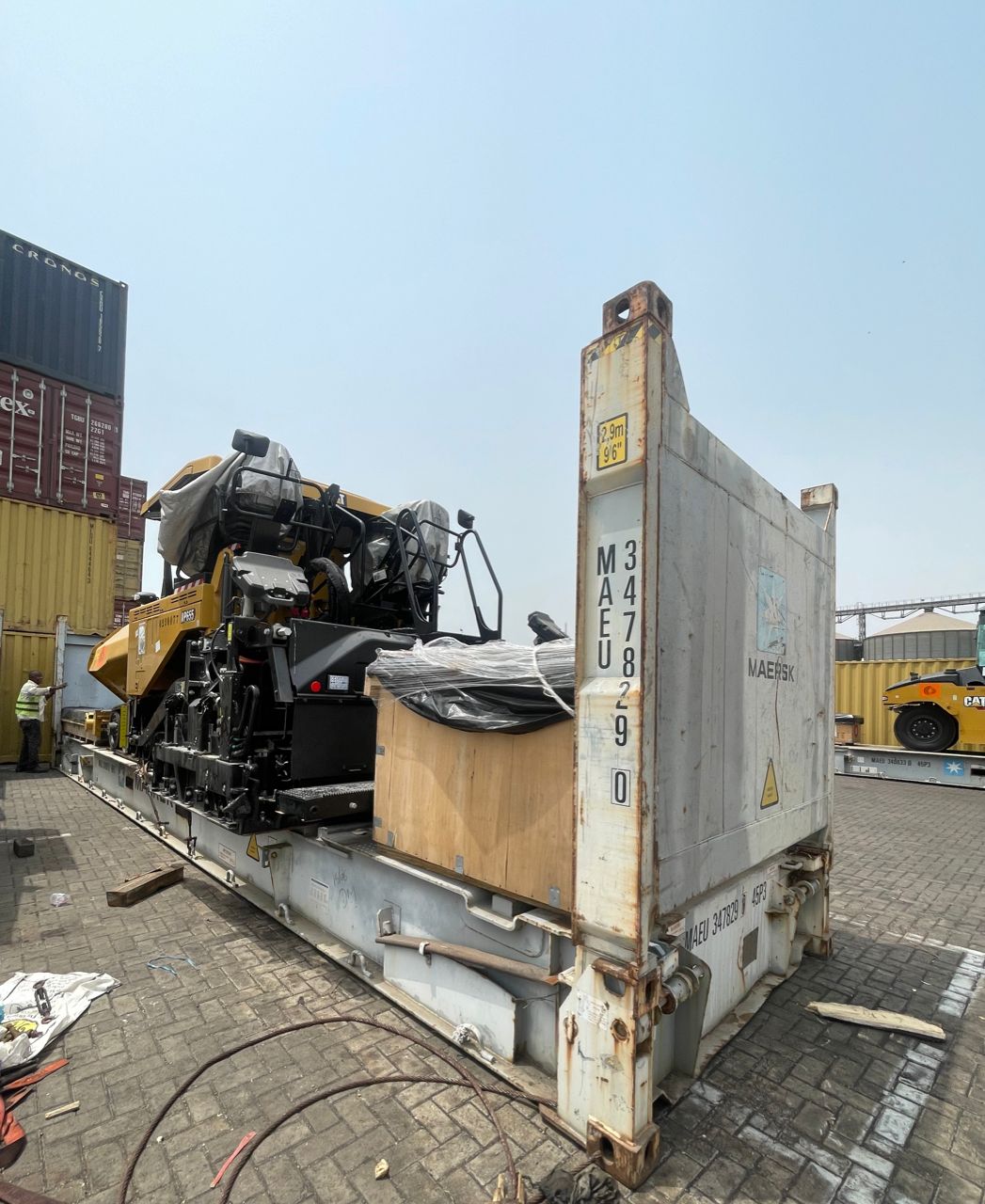
Explore Related Logistics Services
If this topic is shifting from general research into a real shipment or trade decision, review humanitarian cargo logistics in West Africa, compare it with the most relevant adjacent path, and then move into a quote or direct discussion with clearer context.
How should NGO goods be allocated before dispatch?
Use approved programme instructions that identify items, quantities and receiving locations. Keep those allocations linked to the warehouse stock records and the delivery request.
What should a last-mile handover record establish?
Record the goods and quantities received, the location and receiving contact, and any discrepancy observed. Use the programme’s agreed acceptance record so delivery can be reconciled with dispatch.
