

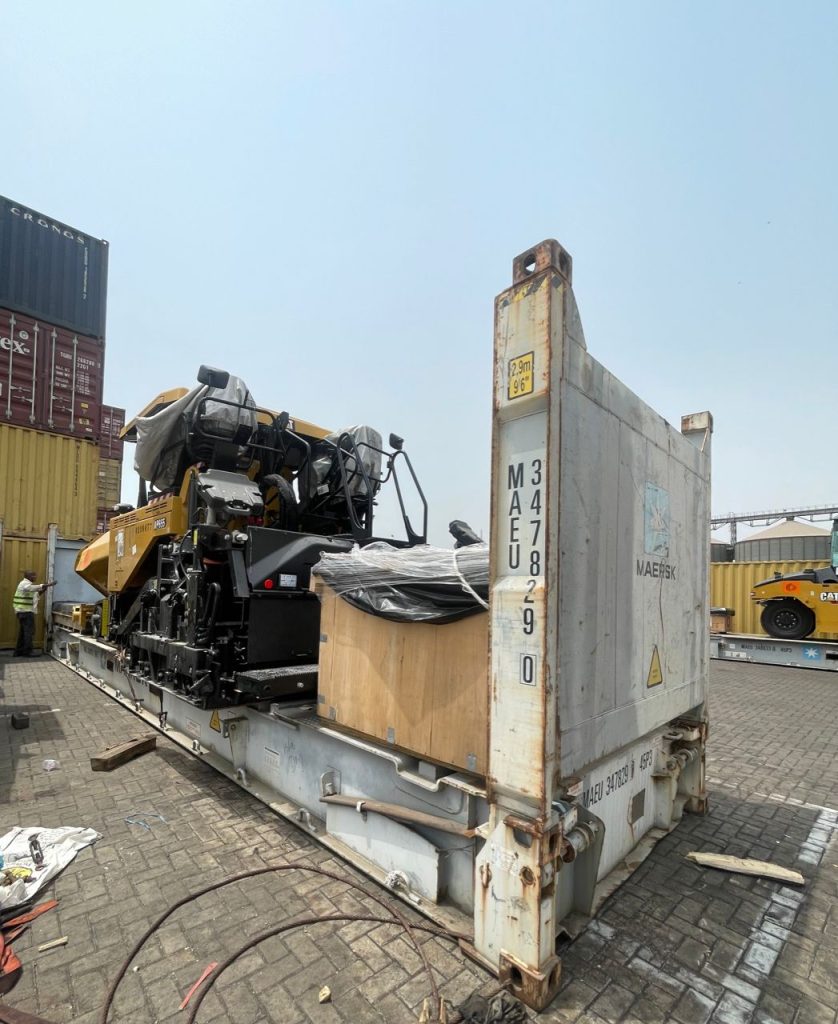
Educational guide
Relief programmes may need goods allocated across several receiving locations rather than delivered as a single bulk consignment. The Humanitarian Cargo guide addresses warehouse and final-delivery support, West Africa matters examines heavy loads, and cargo planning discusses sequencing; insurance background is linked under cargo logistics in West Africa affects.
Humanitarian cargo logistics should support the receiving programme’s distribution priorities. Identify who needs the goods and how the programme will receive and allocate them.
Matching humanitarian shipments to programme priorities
Humanitarian cargo planning should follow the receiving programme and the actual distribution need. Cargo lists, consignee contacts and delivery priorities help determine how freight, storage and onward transport should be coordinated without assuming that every relief shipment follows the same process.
Classify the consignment by item and destination need, then agree which goods must travel together and which can be delivered in stages.
Cargo allocation donor records and receiving capacity
Use the programme’s required receiving dates to compare transport options, while keeping supplier readiness and clearance dependencies visible.
Prepare accurate goods and consignee records and confirm country-specific requirements with the responsible contacts. A relief purpose does not establish an automatic clearance outcome.
Link the donor or supplier, receiving organisation and transport teams through a shared cargo list so changes remain visible across the movement.
Confirm the receiving location, storage capacity and onward distribution contact before cargo is dispatched to the programme.
Sending quantities that do not match distribution needs
- Shipping quantities that the programme cannot receive, allocate or distribute as planned.
- Using one general consignee description without identifying the actual receiving contacts.
- Setting a freight arrival target without checking storage and onward-distribution capacity.
Sending unprioritised quantities can consume receiving capacity while the items needed for the next distribution are still unavailable.
Confirming recipient contacts and entry documentation questions
Look for an agreed allocation plan, confirmed recipient contacts and a record of documentation questions resolved for the intended country of entry.
The receiving programme should define the priorities for humanitarian cargo logistics in West Africa. Consider Break Bulk Cargo Handling Service in Ghana where the physical cargo needs that handling method. If receipt and distribution happen in separate stages, discuss warehousing and bonded storage against the stock quantities, holding period and intended dispatch sequence.
Coordinating relief supplies for several locations
Humanitarian logistics coordination helps when shipments serve several locations, require staged distribution or combine donor supplies with different arrival dates.
Explore Related Logistics Services
To discuss humanitarian cargo logistics in West Africa, provide the cargo list, receiving organisations, destination locations and programme priorities. Include the intended allocation and any unresolved entry or handover questions so the support can be scoped around the actual distribution need.
Does humanitarian purpose remove all import requirements?
Do not assume that it does. Confirm the applicable requirements and any specific relief arrangement with the responsible authority and receiving organisation before relying on it.
What helps prioritise a relief consignment?
Use the programme team’s item and location priorities, supported by the cargo list and receiving capacity. Agree which goods must arrive together and which can follow in later deliveries.
